The U.S. dollar’s performance in 2026 is expected to weaken cyclically, potentially impacting retail investors’ U.S. equity returns, especially for those with unhedged international exposures.
1)
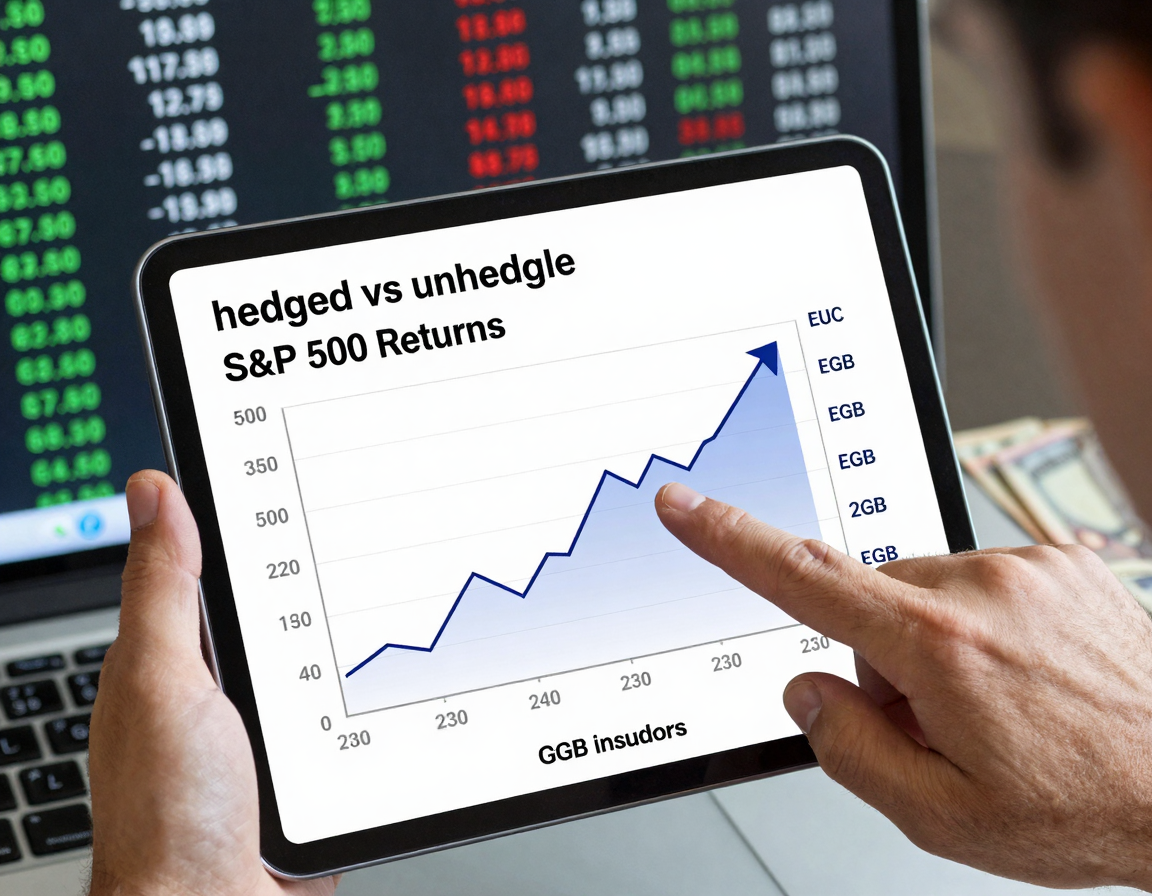
A strong historical link exists between dollar strength and U.S. equity outperformance. Since the end of Bretton Woods, periods of dollar strength have typically coincided with U.S. equities outperforming global peers, as capital inflows boost returns. In 2025, the S&P 500 rose 18% in local terms but only 5% for unhedged EUR investors and 11% for GBP investors, highlighting currency’s drag on returns.
Currently, the Dollar Index (DXY) hovers around 100 but faces downside risks, with forecasts ranging from 94 in Q2 2026 (Morgan Stanley) to continued declines driven by Fed cuts. This weakening could reverse the equity premium if U.S. stocks falter.
2)

Forecasts point to dollar depreciation in early 2026 due to Fed rate cuts outpacing global peers. Morgan Stanley predicts DXY falling to 94 by Q2 before rebounding to 100 by year-end, tied to U.S. growth slowing to 1.8% and Core PCE inflation easing to 2.6%. MUFG sees a 5% decline amid further Fed cuts and policy uncertainties like Trump’s Fed Chair pick.
Investing.com views the decline as cyclical, not structural, with EUR/USD targeting 1.22 by year-end on 50bp Fed cuts versus unchanged ECB rates. J.P. Morgan estimates the dollar 7% above fair value vs. EUR, implying gradual 0.6% annual depreciation long-term.
3)
The dollar’s safe-haven status is waning, with its three-month correlation to S&P 500 at -0.25—less negative than historical norms but still significant. This shift means dollar weakness may not buffer equity selloffs as before, especially if U.S. policies prove inflationary.
Foreign ownership of U.S. securities has recovered to 20.2% as of Sep-2025, the highest in a decade, suggesting no major offloading despite dollar softness—supporting a cyclical view. Bearish positioning is at 14-year records, yet DXY holds an 8-month range (96-100).
4)
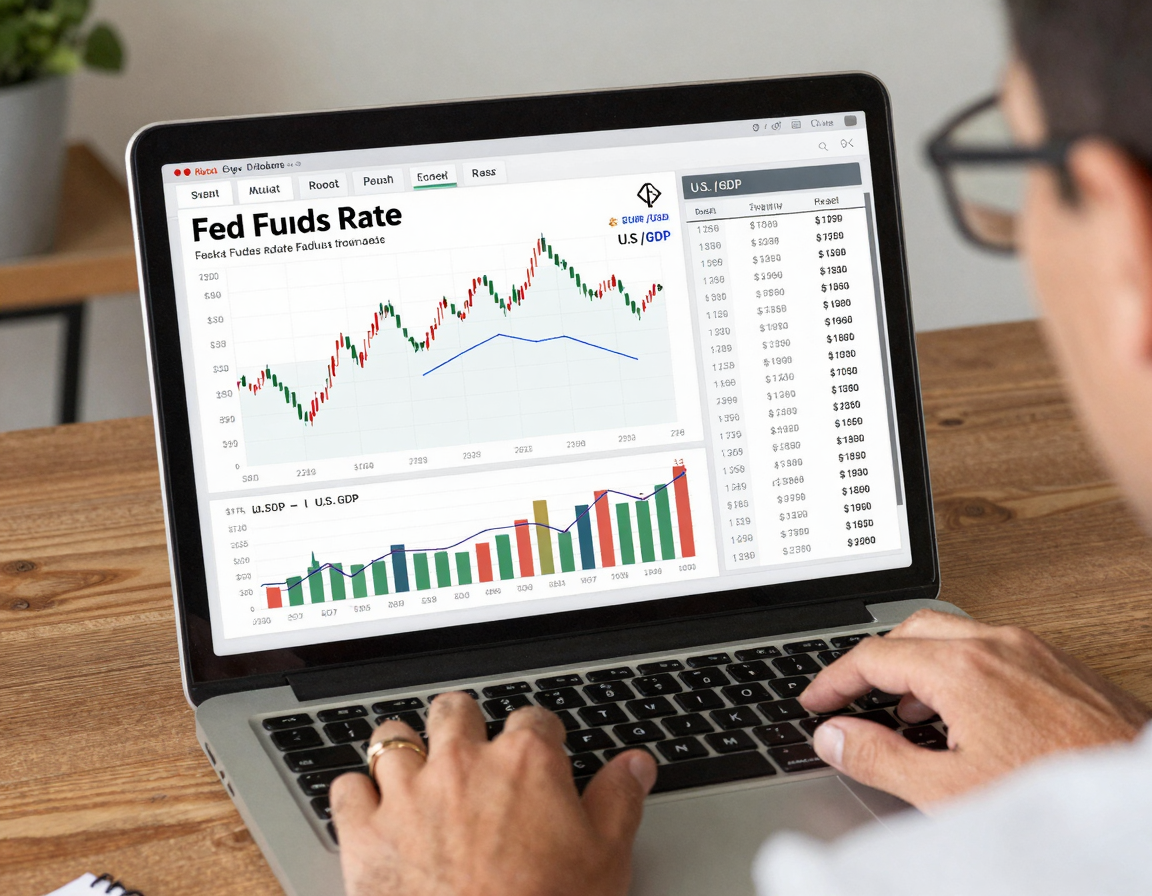
Key metrics include DXY levels: watch resistance at 97.25-97.60 and support at 96.50-97.00. EUR/USD at 1.22 signals pronounced weakness. Fed funds rate cuts to 3%-3.25% by June 2026 could accelerate declines.
Track U.S. growth (1.8% year-end), Core PCE (2.6%), and labor data, as slowdowns favor dollar bears. Equity correlations: monitor dollar-S&P 500 link for diversification clues.
5)
Hedging alters the dollar-equity dynamic for retail investors. Danish pension data shows 72% FX hedge ratios end-2025, potentially rising to 74% with narrowing hedge costs. J.P. Morgan recommends dollar-hedged equity strategies to counter depreciation risks, especially short-term.
Morgan Stanley notes corporates may reduce hedges in H2 2026 if growth rebounds, curbing carry trades. Unhedged exposures amplify losses: a 7-8% dollar overvaluation vs. EUR/GBP could compound U.S. equity underperformance.
6)
Rebound catalysts include resilient U.S. growth from fiscal stimulus, Fed cut cycle end, and rate rebounds. A DXY break above 97.60 could target 99.50, shifting sentiment contrarian amid extreme bear positioning.
Global factors like eurozone strength and abating trade tensions support medium-term dollar bears but H2 recovery. Retail investors should balance views: cyclical weakness now, potential exceptionalism later.
How to Apply This in Practice
- Monitor DXY daily via free tools like TradingView; set alerts at 97.60 resistance and 96.50 support.
- Check FOMC minutes and dot plot for cut signals; compare to ECB outlook.
- Review portfolio hedging: use ETFs like HEFA (hedged international) or currency overlays if unhedged.
- Track S&P 500 in local vs. investor currency terms monthly via Yahoo Finance or Morningstar.
- Assess foreign ownership quarterly via Treasury TIC data for U.S. asset flows.
- Rebalance if dollar correlation to equities shifts positively, reducing diversification.
- Follow Core PCE and GDP releases; weakness below 1.8% growth flags deeper dollar drops.
Risk Note
Dollar forecasts carry uncertainty from policy shifts, like Fed composition changes or trade flashpoints. Sudden rebounds, as in late-2025, could boost unhedged equities but hurt hedgers. Past correlations do not guarantee future results; diversify globally and consult advisors.