통신판매업 신고 면제여도 ‘이것’은 해야 합니다

🛒 부업으로 온라인 판매를 시작하려는데 통신판매업 신고는 안 해도 된다는 말을 들으셨습니까?신고가 면제되어도 따로 해야 하는 ‘이것’은 사업자등록입니다.이 글에서는 신고 ...
더 읽기
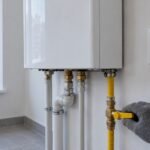
보일러 에러코드 14, 린나이·귀뚜라미 뜻이 다릅니다
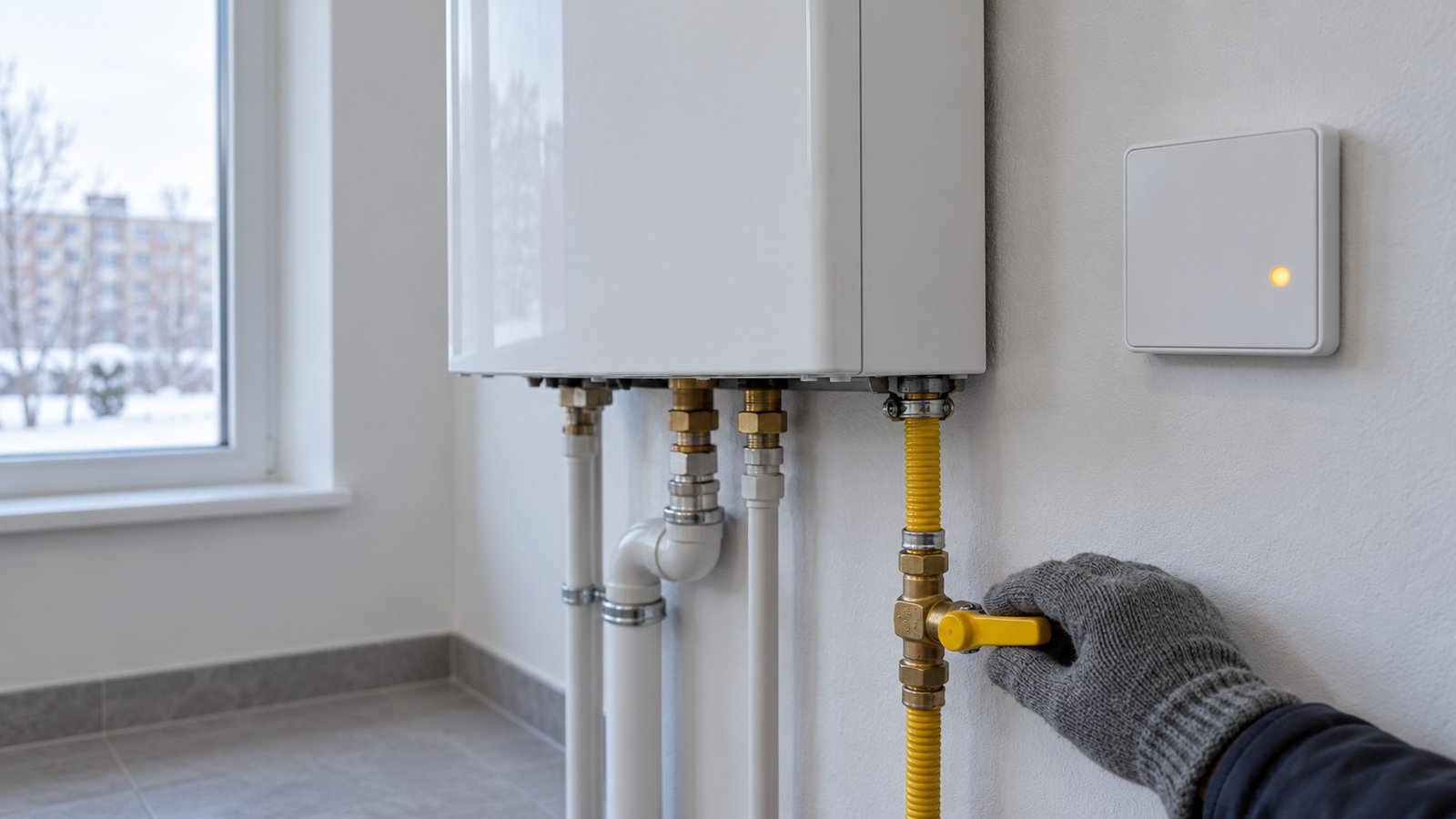
보일러 조절기에 숫자가 깜박이면 먼저 그 숫자를 검색창에 넣어 보게 됩니다.그런데 같은 14라도 린나이 설명서와 귀뚜라미 자가진단 페이지가 가리키는 고장은 ...
더 읽기
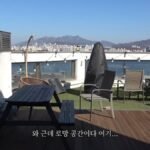
오나미 한강뷰 집 공개 이력과 25일 영상 발언 비교표
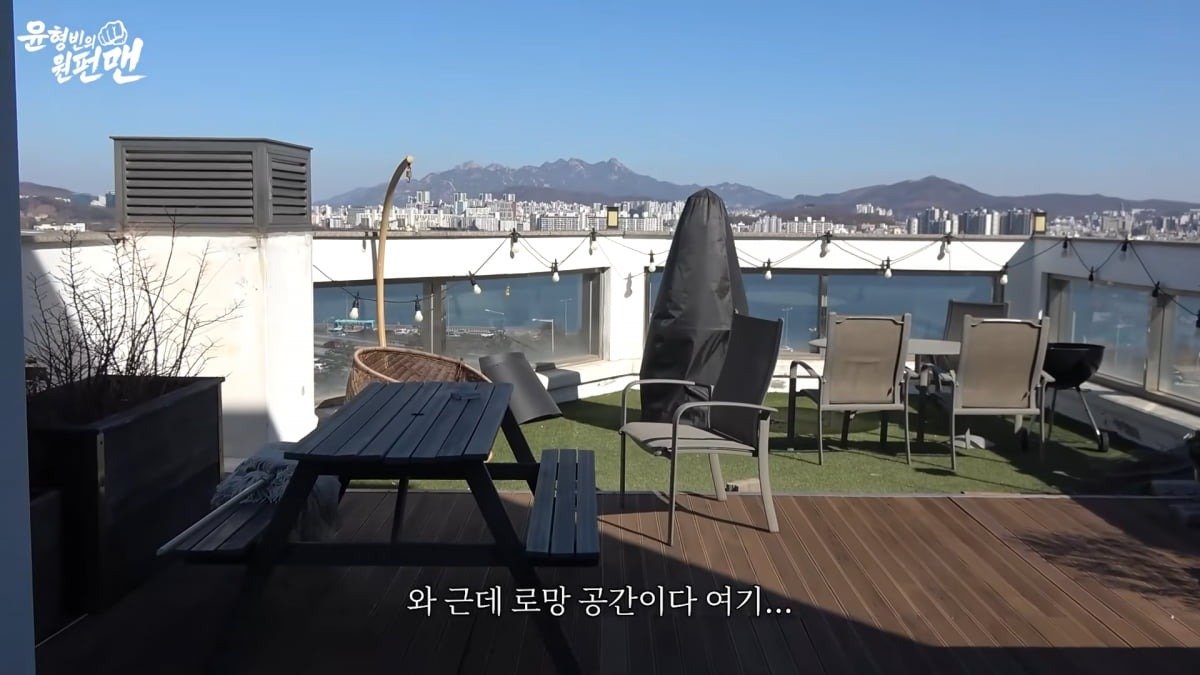
오나미가 지인들을 집에 초대한 영상이 25일 유튜브 채널 ‘계그우먼들’에 올라왔고, 이를 다룬 기사가 26일과 27일 이어졌습니다. 이 글은 기사 두 ...
더 읽기
김장 고무장갑, 용도란에 ‘세탁, 청소’면 멈추세요
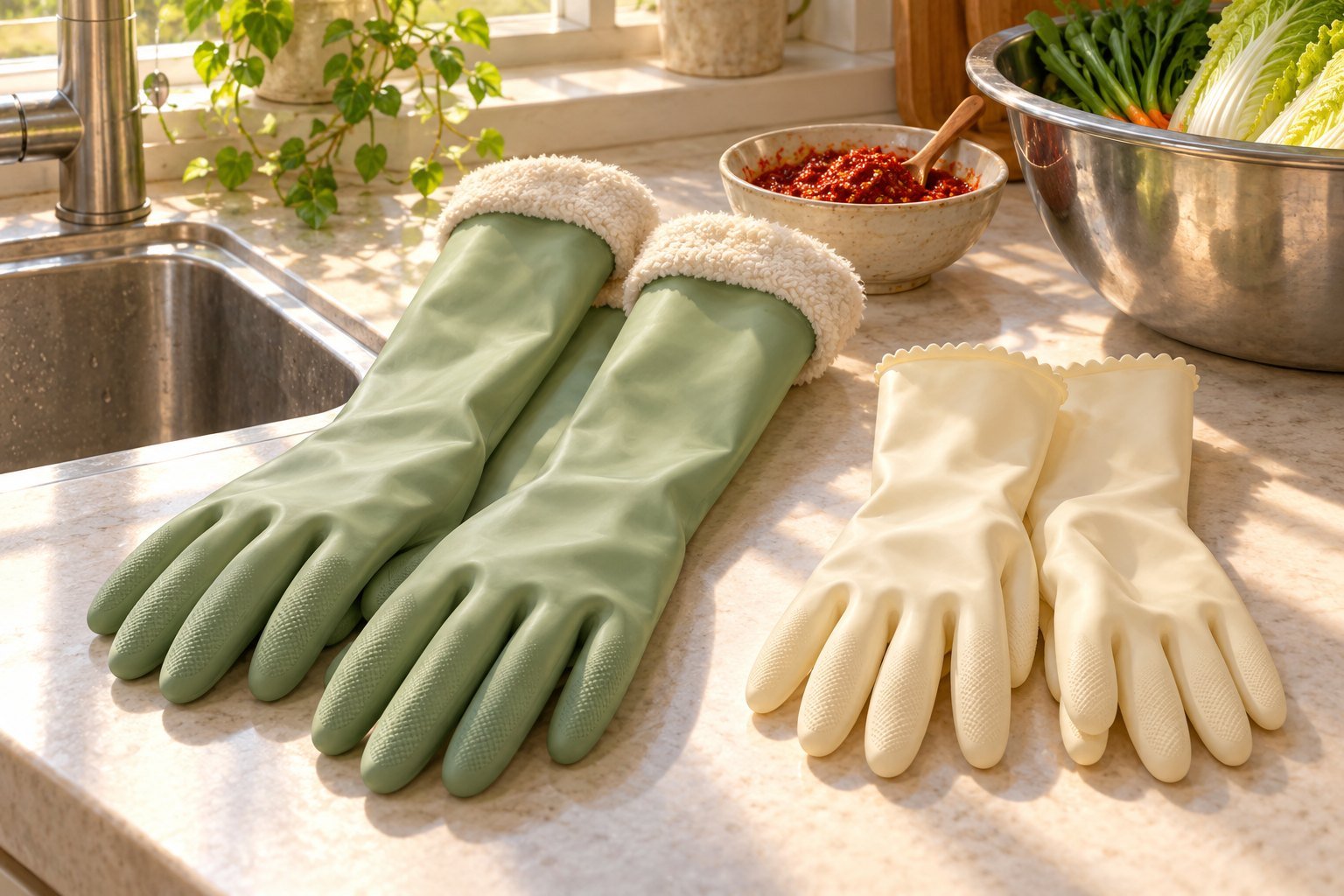
김장 고무장갑은 소매 길이와 기모보다 식품용 표시가 먼저입니다. 라이펍 니트릴(식품용 및 다용도)과 51cm 기모 장갑(권장 용도 세탁·청소)의 1세트당 가격·길이·관리법을 비교했습니다.
더 읽기
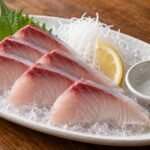
대방어 몇 kg부터? 해수부는 4kg으로 나눕니다
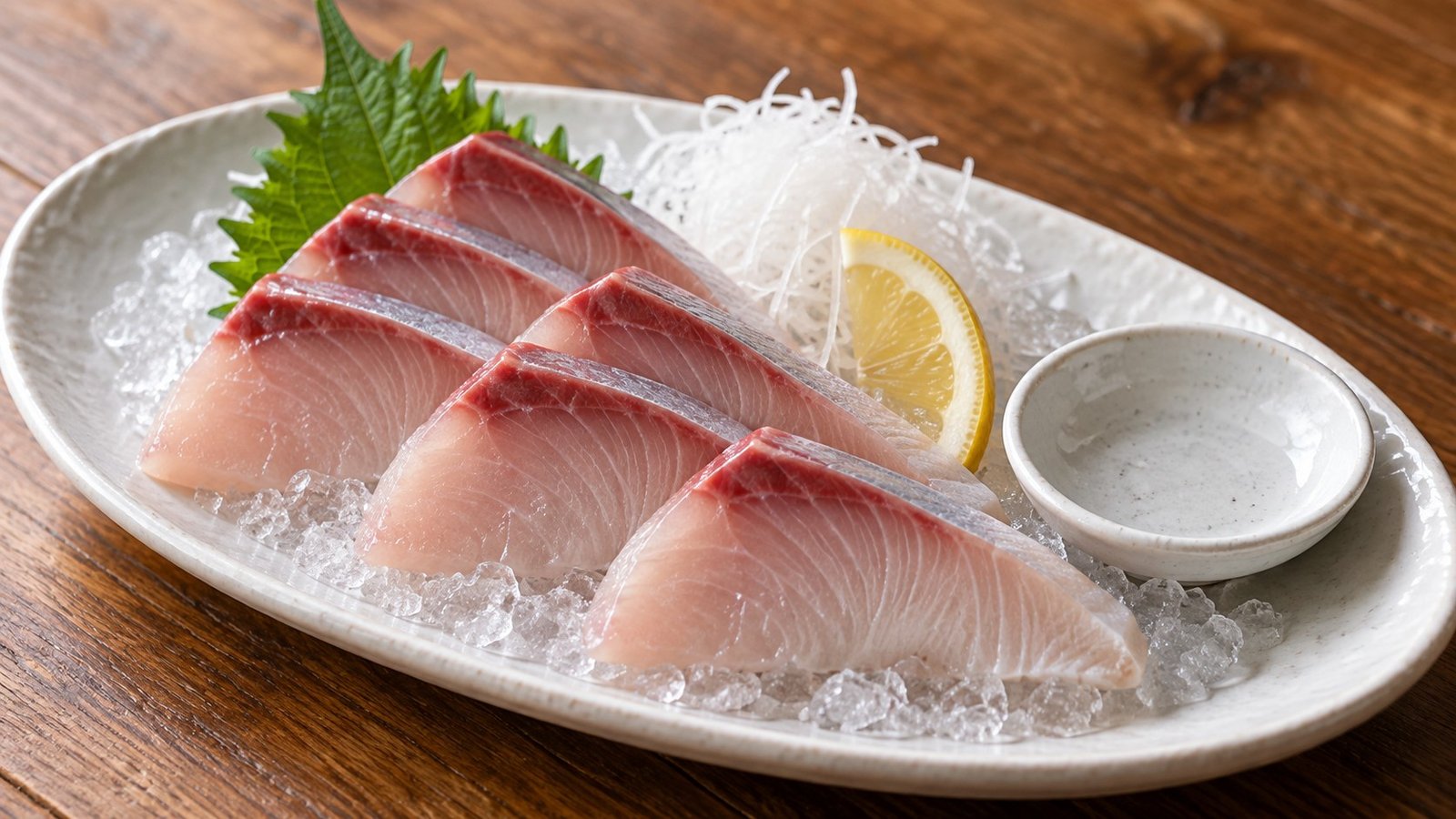
횟집 메뉴판에 방어와 대방어가 따로 적혀 있으면, 가격만 다른 같은 생선인지 다른 종류인지 헷갈립니다.해양수산부는 자주 묻는 질문에서 방어와 대방어 차이를 ...
더 읽기
션 의류 사업, 매장 40개에서 상장 무산까지 정리표
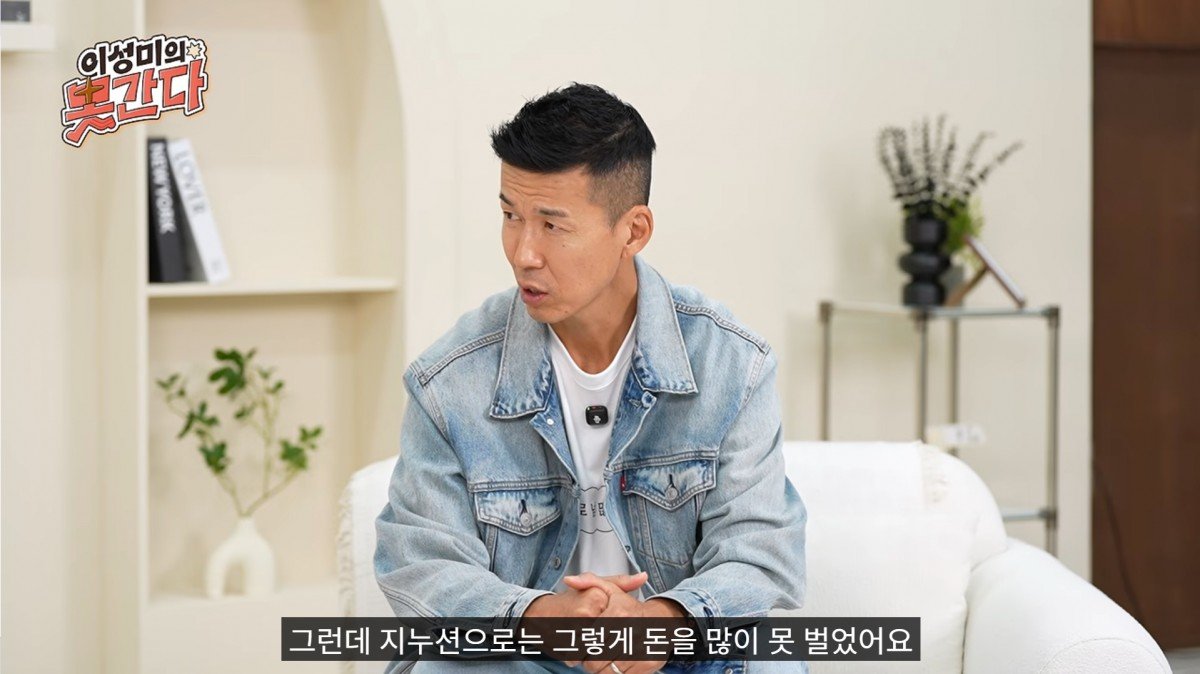
션이 의류 사업으로 연 매출 200억 원을 올렸지만 개인적으로 가져간 돈은 많지 않았다고 말했습니다. 26일 공개된 유튜브 채널 ‘이성미의 못간다’ ...
더 읽기
노로바이러스 증상 끝나도 48시간은 쉬어야 합니다
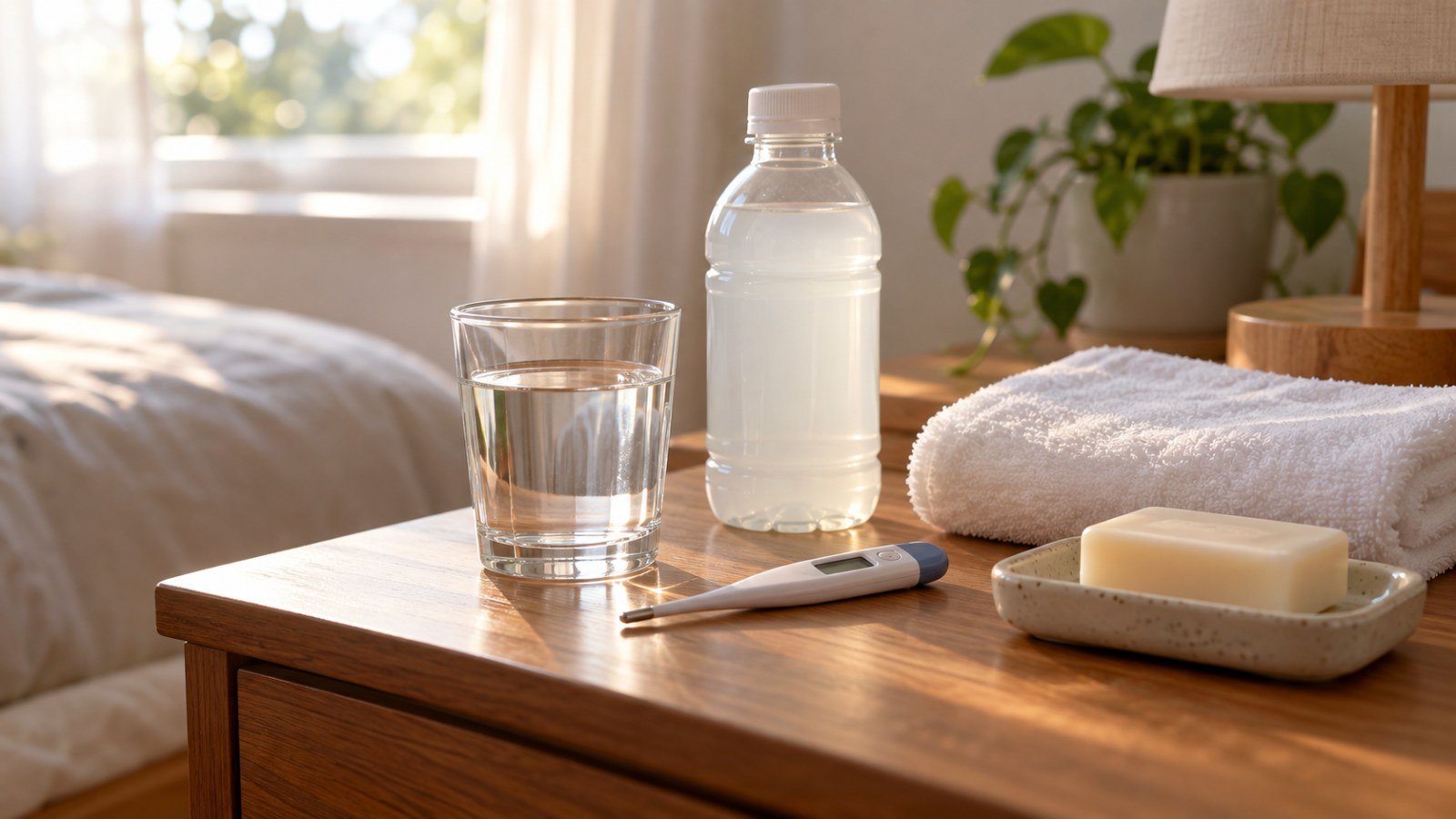
가족 중 누군가 밤사이 갑자기 토하고 설사를 시작하면, 체한 것인지 노로바이러스인지부터 헷갈립니다.질병관리청 자료를 읽어 보니 증상이 시작되는 시점, 이어지는 기간, ...
더 읽기
손태영 가사도우미 발언, 기사마다 달랐던 4가지

손태영이 미국에서 6년 동안 가사도우미를 한 번도 쓰지 않았다고 말한 뒤 온라인에서 의견이 갈렸습니다. 그런데 기사들을 나란히 읽어 보면 발언을 ...
더 읽기
노트북 블루투스 이어폰 연결 안 됨, ‘이것’부터 확인
🎧 노트북에서 블루투스 이어폰이 연결되지 않으면 설정을 이것저것 눌러 보다가 무엇을 바꿨는지 잊기 쉽습니다.Microsoft 지원 문서를 읽고 내용을 세 갈래로 ...
더 읽기
독감 약 보험은 48시간, 등교는 해열 24시간 뒤
열이 38도를 넘고 기침이 시작되면 독감인지 감기인지부터 궁금해집니다.질병관리청 자료를 읽어 보니 독감 증상을 의심하는 기준, 약을 건강보험으로 처방받는 시한, 학교와 ...
더 읽기