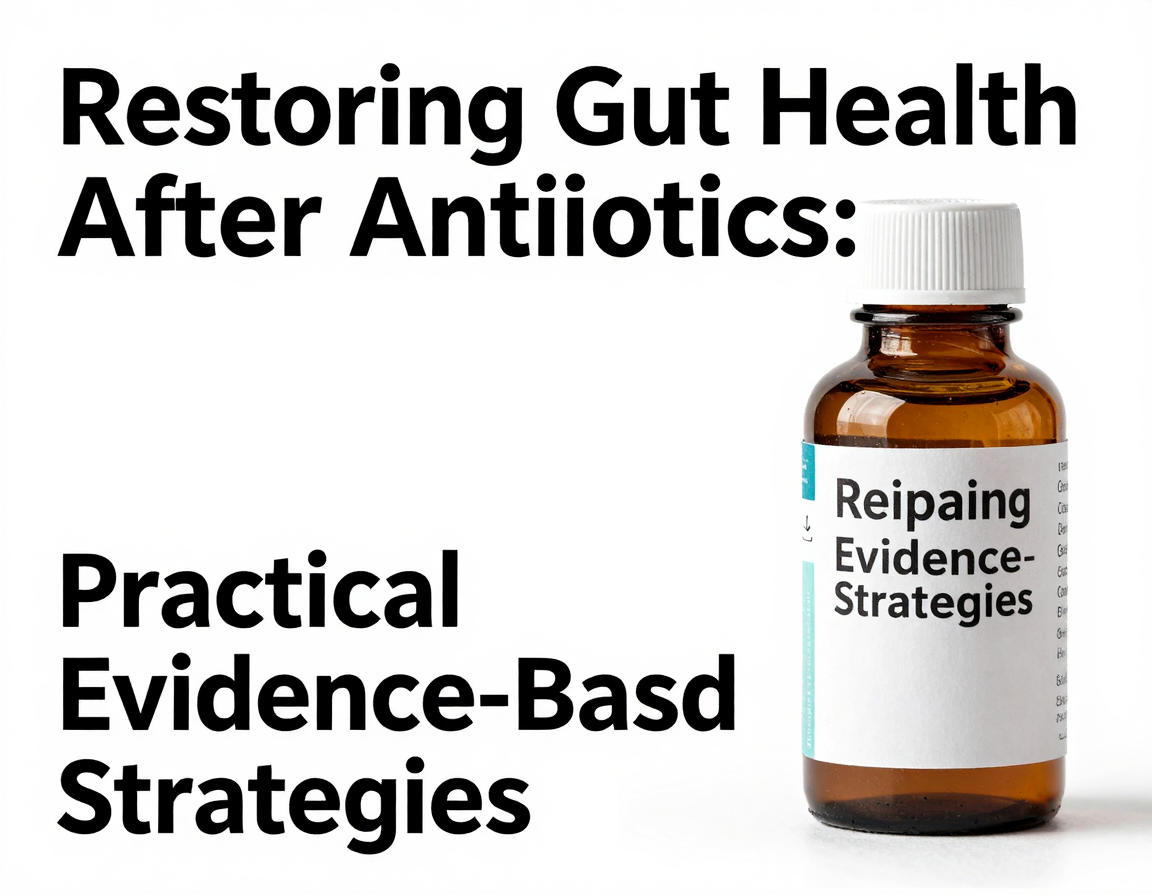
Antibiotics are essential for treating bacterial infections but can disrupt the gut microbiome, leading to imbalances that affect digestion and immunity. Research shows the gut microbiota can recover over time, influenced by diet, probiotics, and lifestyle factors, with strategies like consuming fermented foods and fiber accelerating restoration.
1) Understanding Gut Microbiome Disruption from Antibiotics
Antibiotics reduce bacterial load in the gut, causing shifts in microbial composition such as drops in Bacteroidetes and increases in Firmicutes shortly after treatment. Studies in mice demonstrate that after antibiotics like streptomycin or ciprofloxacin, bacterial communities re-equilibrate but via different paths, with some species like Bacteroides vulgatus blooming due to resistance or environmental factors. Human microbiomes show similar resilience, gradually recovering over months, though fiber-deficient diets slow this process, particularly in vulnerable groups like older adults and young children. This disruption raises risks of antibiotic-associated diarrhea (AAD), but evidence supports proactive steps for faster recovery.
2) Incorporate Probiotic-Rich Foods
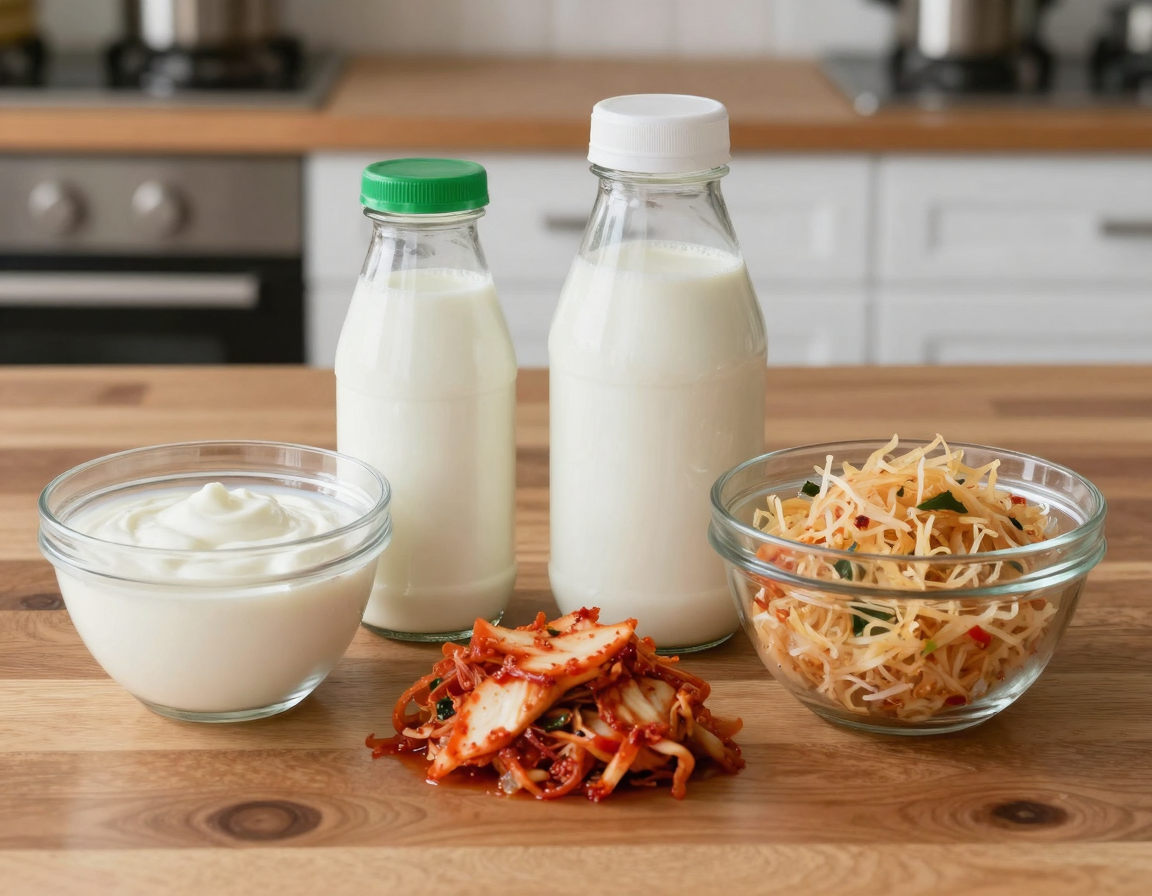
Probiotic foods introduce live beneficial bacteria like Lactobacillus and Bifidobacterium, helping repopulate the gut and reduce AAD risk by up to 51% according to meta-analyses. Effective options include yogurt with live active cultures, kefir, sauerkraut, kimchi, miso, tempeh, kombucha, and certain cheeses. Consume these during and after antibiotics, spacing probiotics 2-4 hours after doses to maximize survival, supporting digestion, immunity, and microbial balance.
3) Boost Intake of Prebiotic Foods
Prebiotics are indigestible fibers that feed beneficial gut bacteria, enhancing probiotic effectiveness and aiding recovery. Key sources include oats, barley, bran, apples, berries, bananas, leeks, asparagus, onions, legumes, chia seeds, flax seeds, nuts like almonds and pistachios, and honey. These fibers maintain healthy bacteria during antibiotic use, preventing further damage and promoting microbiome resilience.
4) Prioritize a High-Fiber Diet
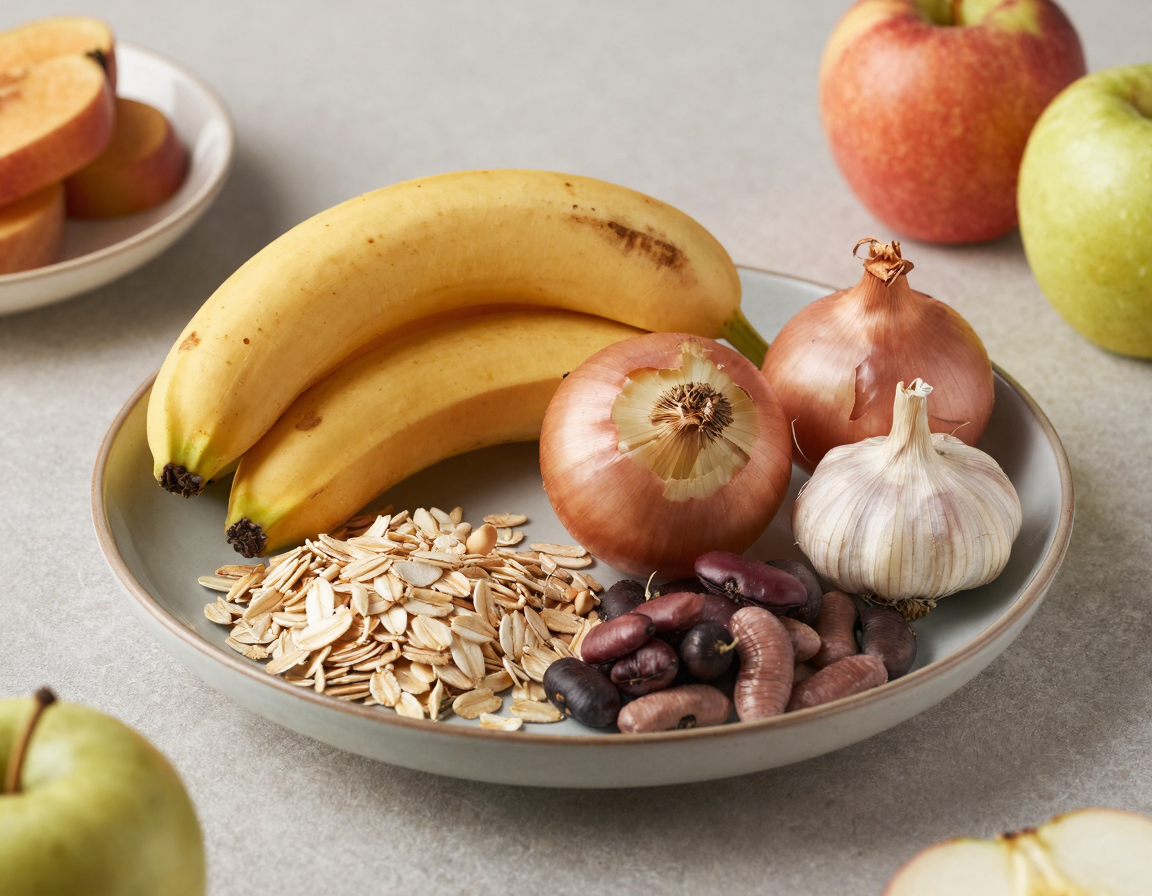
Fiber is crucial for gut health, balancing blood sugar, lowering cholesterol, and facilitating microbiota recovery post-antibiotics. Low-fiber diets prior to treatment prolong disruption, while fiber-rich eating supports faster rebound. Aim for diverse plant foods: whole grains, fruits, vegetables, and legumes daily during and after antibiotics to nurture existing bacteria and prevent dysbiosis.
5) Consider Probiotic and Prebiotic Supplements
Supplements provide concentrated strains, with the American Gastroenterological Association recommending them alongside antibiotics to minimize side effects. Strains like Lactobacillus and Bifidobacterium reduce AAD risk by 37% in large meta-analyses involving over 11,000 participants. Whole foods are preferable, but supplements boost intake effectively; combine with prebiotics for synergy. Consult a healthcare provider for strain-specific advice, as effects vary.
6) Support Recovery with Lifestyle Factors

Diet drives recovery, but sleep, hydration, and stress management enhance it; adequate rest allows microbial re-equilibration. Stay hydrated to support digestion, exercise moderately to promote motility, and avoid unnecessary antibiotics to preserve microbiota. Host factors like mucus production may aid certain bacteria post-treatment.
How to Apply This in Practice
Daily Gut Recovery Checklist:
– Eat 1-2 servings of probiotic foods (e.g., yogurt or kefir at breakfast, kimchi with dinner).
– Include prebiotic foods in every meal (e.g., oats in morning, onions in lunch, bananas as snack).
– Aim for 25-30g fiber daily from diverse plants.
– Take probiotic supplements 2-4 hours after antibiotics, continuing 2-4 weeks post-course.
– Drink 8+ glasses of water and sleep 7-9 hours nightly.
– Track symptoms; if diarrhea persists beyond 2 weeks, seek medical advice.
Risk Note
While these strategies are evidence-informed, they do not replace professional medical advice. Probiotics may cause mild bloating initially; those with compromised immunity should consult doctors before supplements. Recovery varies by antibiotic type, duration, and individual factors; persistent issues like severe diarrhea warrant immediate care to rule out conditions like C. difficile.