Maintaining excellent oral health requires more than just brushing; the correct order and frequency of brushing and flossing are crucial for removing plaque and preventing cavities and gum disease. According to the American Dental Association (ADA), brushing twice daily for two minutes with fluoride toothpaste and flossing once a day form the foundation of effective dental care.
1) Why Order and Frequency Matter in Oral Hygiene
The sequence of brushing and flossing directly impacts how effectively you clean between teeth and along the gumline, areas where plaque—a sticky bacterial film—accumulates and hardens into tartar within 24-72 hours if not removed. Brushing cleans tooth surfaces, while flossing targets interdental spaces that a toothbrush cannot reach, reducing risks of cavities and gum disease. Consistent daily practice disrupts bacterial growth, which begins within 4-12 hours after eating. Dental professionals emphasize that proper timing and technique ensure food particles and debris do not linger overnight, promoting healthier gums and fresher breath.
2) Recommended Frequency for Brushing and Flossing
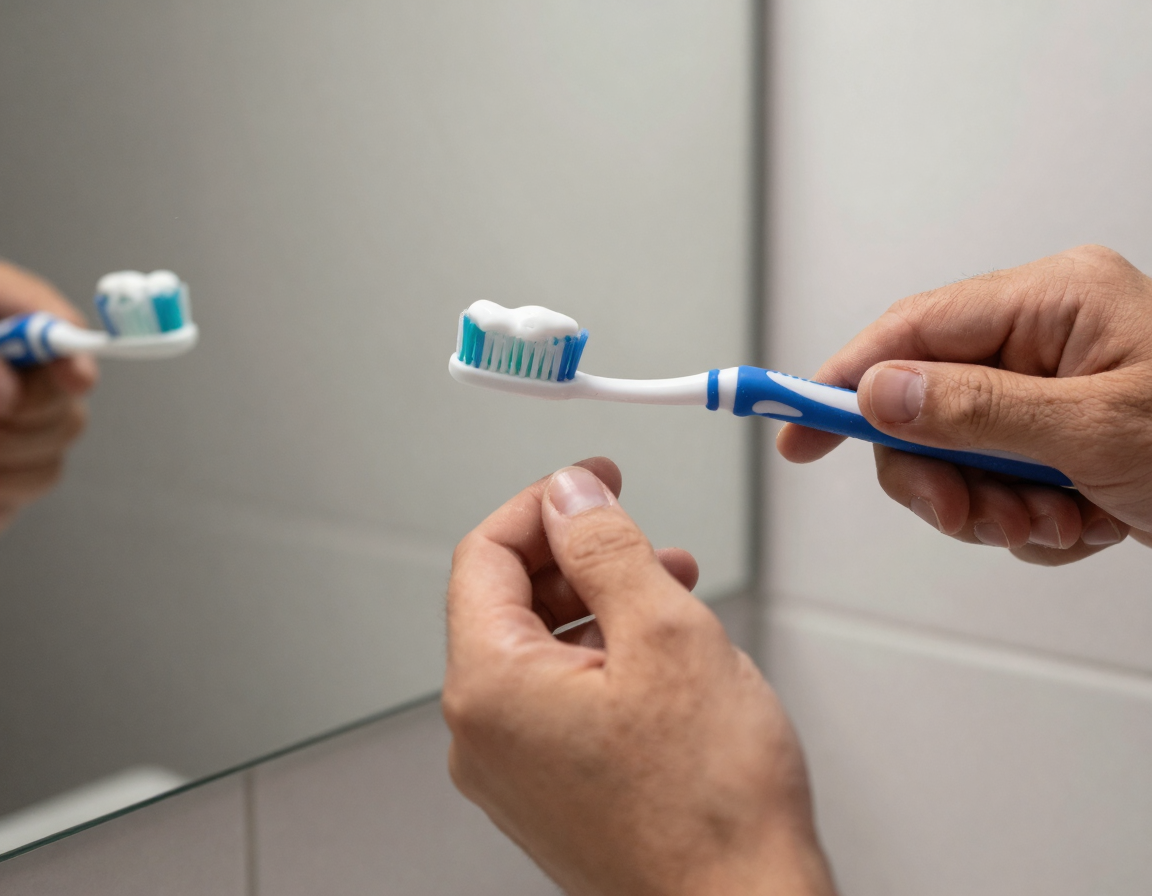
The ADA recommends brushing your teeth twice a day for at least two minutes each time using fluoride toothpaste to remove surface plaque and strengthen enamel. For flossing, clean between teeth once daily using floss or an interdental cleaner to eliminate plaque and debris from hard-to-reach areas. This frequency suffices for most people, as plaque develops over 24 hours, and daily removal prevents hardening into tartar. Flossing before bedtime is ideal to avoid overnight buildup, though morning or post-meal sessions work if consistent. Those with braces, implants, or gum issues may need more frequent cleaning after meals.
3) The Correct Order: Floss First or Brush First?
You can floss before or after brushing, as both sequences are effective according to the ADA, but flossing first loosens debris and plaque, allowing brushing to sweep it away more efficiently. One approach: floss first to dislodge particles between teeth, then brush to clean surfaces and gums, rinsing last. Alternatively, brush first to loosen surface plaque, floss to target interdental spaces, and brush again if needed. Consistency in your chosen order matters more than the specific sequence, ensuring comprehensive cleaning without skipping areas.
4) Step-by-Step Guide to Proper Brushing Technique
Start with a soft-bristled toothbrush and pea-sized amount of fluoride toothpaste. Wet the brush, apply toothpaste, and hold at a 45-degree angle to gums. Use short, gentle circular or back-and-forth strokes covering outer, inner, and chewing surfaces for two minutes—30 seconds per quadrant. Brush tongue and roof of mouth to remove bacteria causing bad breath. Rinse thoroughly. Time sessions morning and night, avoiding immediate rinsing after fluoride toothpaste to maximize enamel protection.
5) Step-by-Step Guide to Proper Flossing Technique
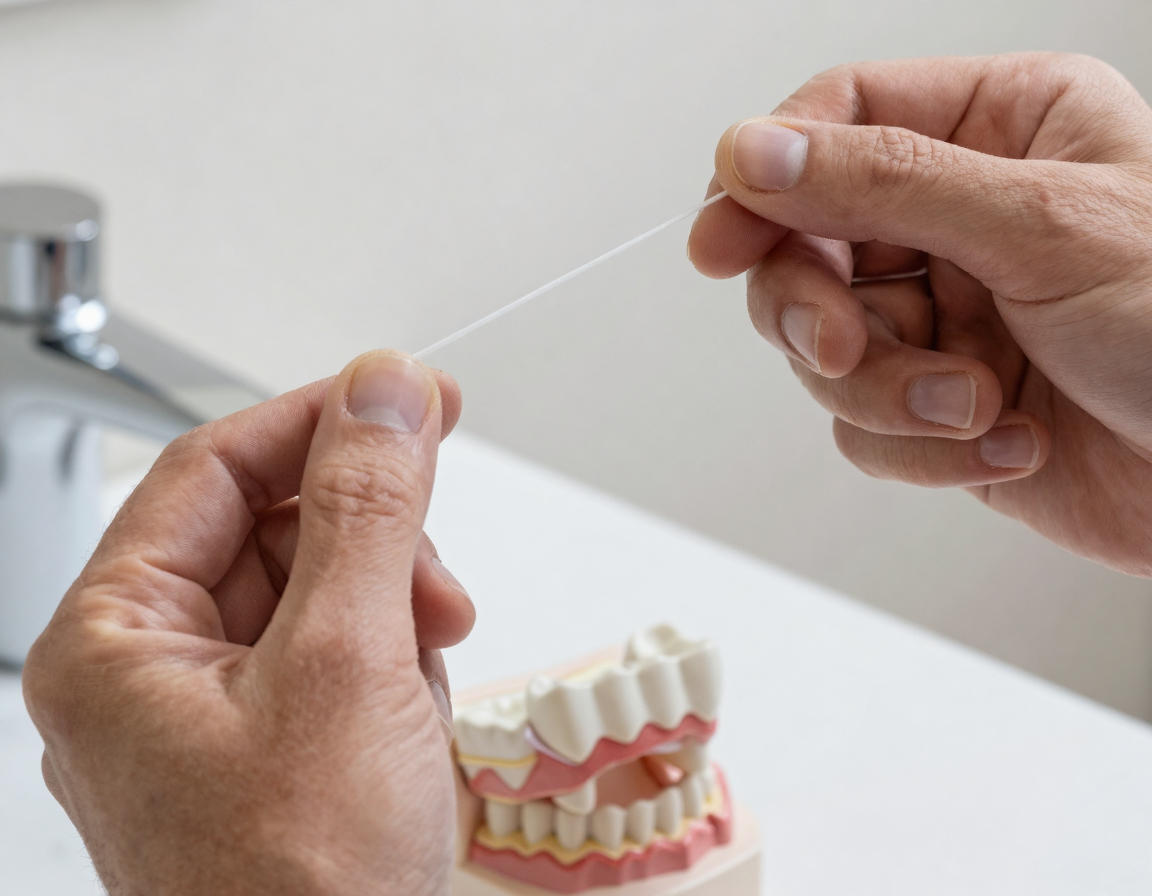
Use about 18 inches of floss to ensure a clean section per tooth. Wind most around middle fingers, leaving 1-2 inches between thumbs and index fingers. Gently slide floss between teeth using a sawing motion, avoiding snapping into gums. Form a C-shape around each tooth, curving under the gumline, and move up and down gently. Use a fresh floss section for each tooth to prevent bacteria spread. Floss all surfaces, focusing on back molars prone to cavities.
6) Common Mistakes and How to Avoid Them
Avoid snapping floss harshly, which damages gums; use gentle pressure instead. Do not reuse soiled floss sections, as this redistributes plaque. Rushing skips gumline areas; take time for thorough cleaning. Overflossing more than once daily offers no extra benefit for most and risks gum irritation if done vigorously. If gums bleed initially, continue consistently—bleeding often stops within two weeks with regular care. Use correct floss length and technique to maximize effectiveness.
How to Apply This in Practice
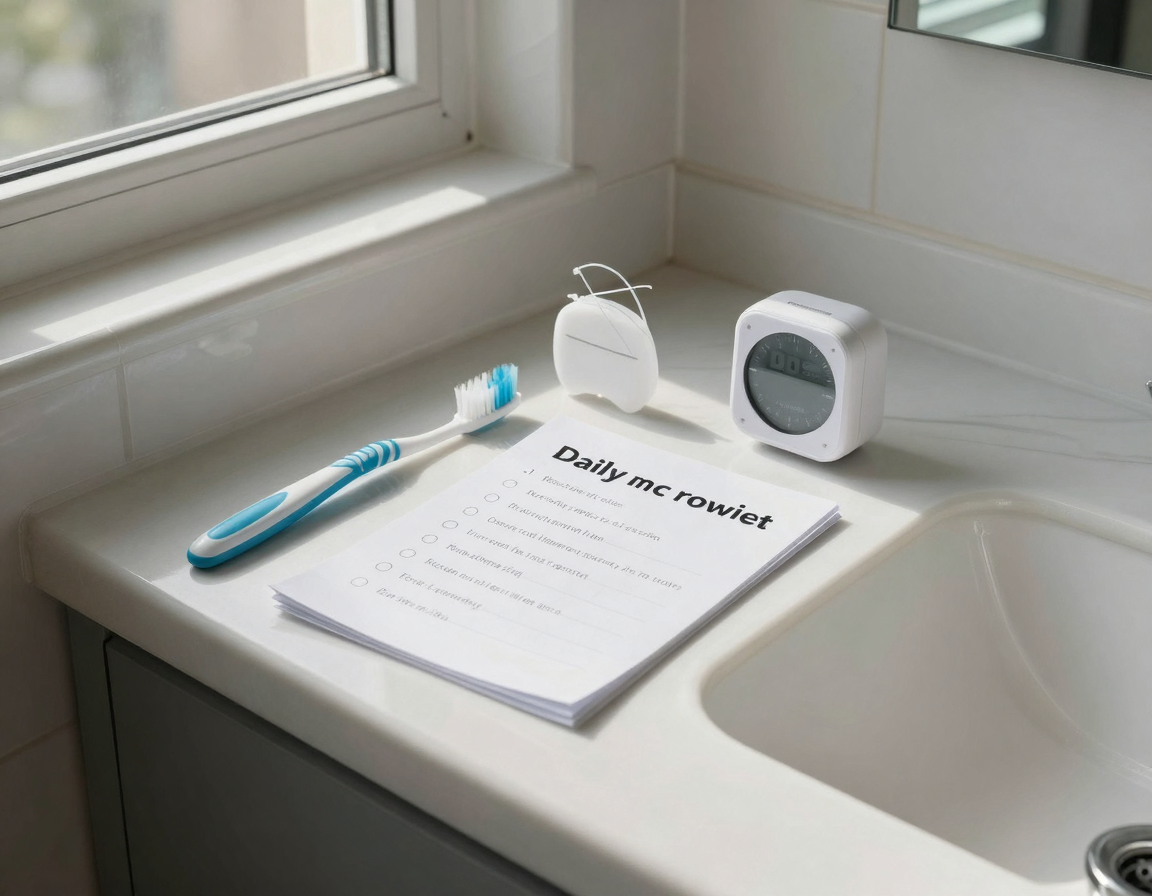
Daily Oral Hygiene Checklist:
– Morning: Floss once daily (or your chosen time), then brush for 2 minutes.
– Evening: Brush for 2 minutes, floss if not done morning.
– Use 18 inches floss, C-shape technique per tooth.
– Time brushing: 30 seconds per quadrant (upper right, upper left, lower right, lower left).
– Store floss accessibly; set phone reminders for habit.
– After meals with stuck food, floss extra if needed (e.g., braces).
– Schedule dentist visits every 6 months for checkups.
Risk Note
Improper technique, such as forceful flossing, can damage gums or expose tooth roots, increasing decay risk. Bleeding or persistent bad breath signals potential issues—consult a dentist rather than altering routine alone. Neglecting daily flossing allows plaque to harden, leading to tartar, cavities, and gum disease requiring professional treatment. Those with dental appliances or conditions should seek personalized advice.