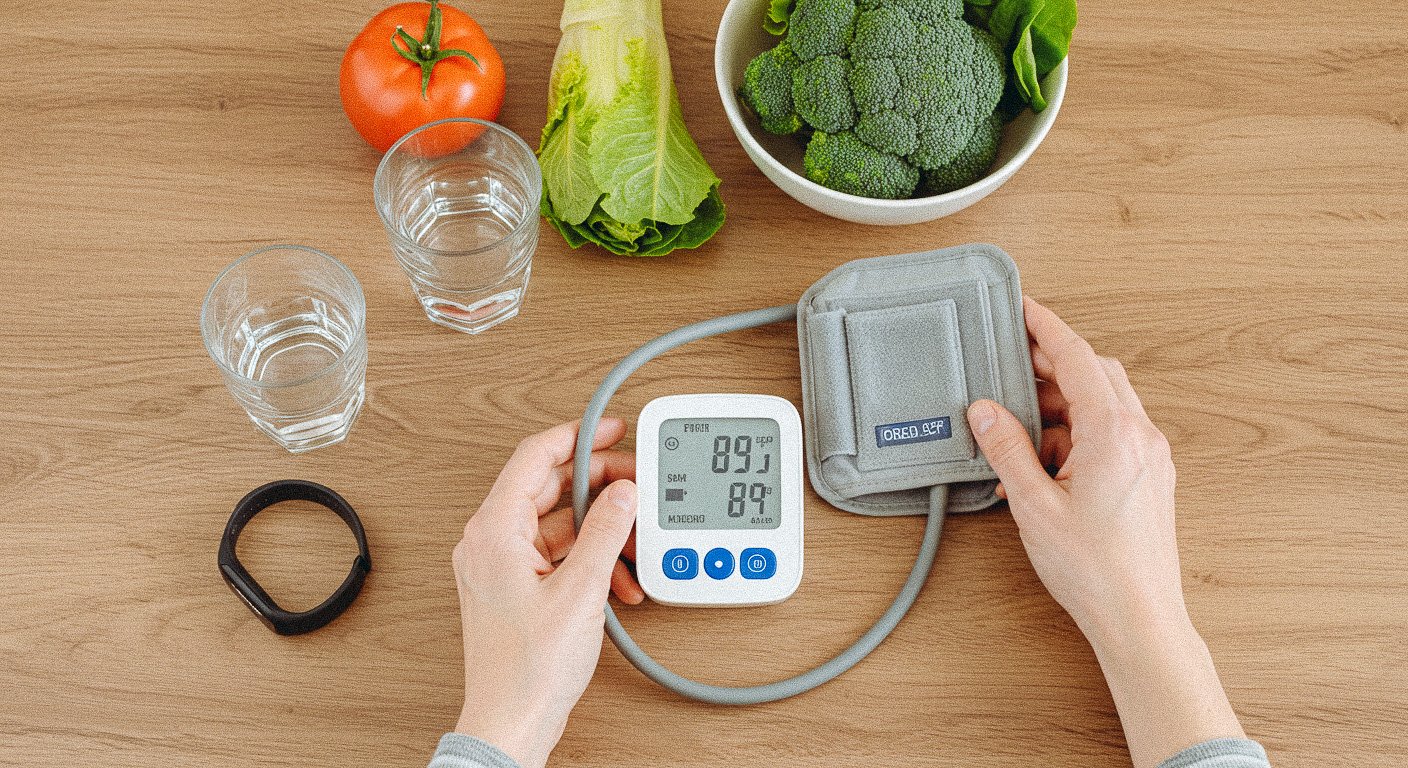
Losing weight is not just about eating less—it’s about optimizing your body’s fat-burning mechanisms.
The Switch On Diet is designed to activate your metabolism, stabilize blood sugar, and promote sustainable weight loss without extreme calorie restriction. If you are looking for an effective Switch On Diet for fat loss, this could be the ideal solution for you.
In this article, we’ll explore the science behind the Switch On Diet and practical steps to implement it effectively.
1. What Is the Switch On Diet?
The Switch On Diet is a metabolic-based approach to weight loss that triggers fat-burning mode in the body.
Instead of focusing solely on calorie reduction, this diet prioritizes nutrient timing, macronutrient balance, and metabolic activation.
📌 Key Principles of the Switch On Diet
✅ Metabolism Activation – Encouraging the body to use stored fat as energy
✅ Blood Sugar Stabilization – Preventing insulin spikes that lead to fat storage
✅ Intermittent Fasting – Prolonging fasting periods to enhance fat oxidation
✅ Exercise Optimization – Combining strength training and cardio for maximum fat loss
💡 Scientific Evidence
A Harvard Medical School study found that participants following a high-protein, low-carb diet lost 2x more fat and experienced a 15% greater reduction in body fat percentage than those on conventional low-fat diets.
2. How to Follow the Switch On Diet
1) Adopt a Low-Carb, High-Protein Diet
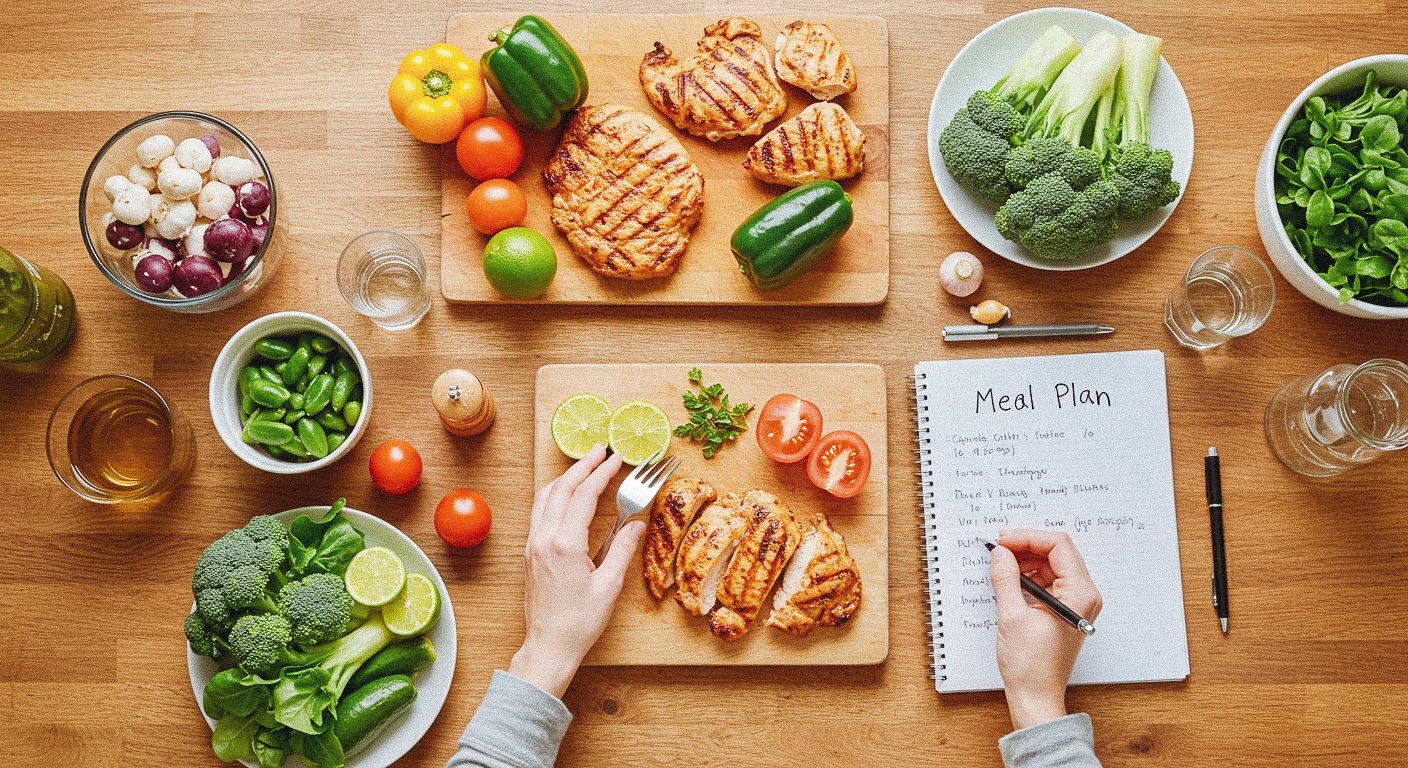
Reducing carb intake while increasing protein and healthy fats is crucial for keeping the body in fat-burning mode.
📌 Recommended Meal Plan
- Breakfast: Scrambled eggs with avocado and black coffee
- Lunch: Grilled chicken salad with olive oil and nuts
- Dinner: Baked salmon with steamed broccoli and quinoa
- Snacks: Greek yogurt with almonds
💡 A study found that people consuming 30% of their daily calories from protein lost an average of 11 pounds over 12 weeks, without intentionally restricting calories.
2) Utilize Intermittent Fasting (IF)

Intermittent fasting extends the body’s fasting period, helping it burn fat efficiently.
📌 Popular IF Methods
- 16:8 Method – 16 hours fasting, 8 hours eating
- 5:2 Method – Normal eating for 5 days, reduced calories for 2 days
💡 Research shows that 12 weeks of intermittent fasting led to an average 7% body fat reduction in participants.
3) Control Blood Sugar Spikes
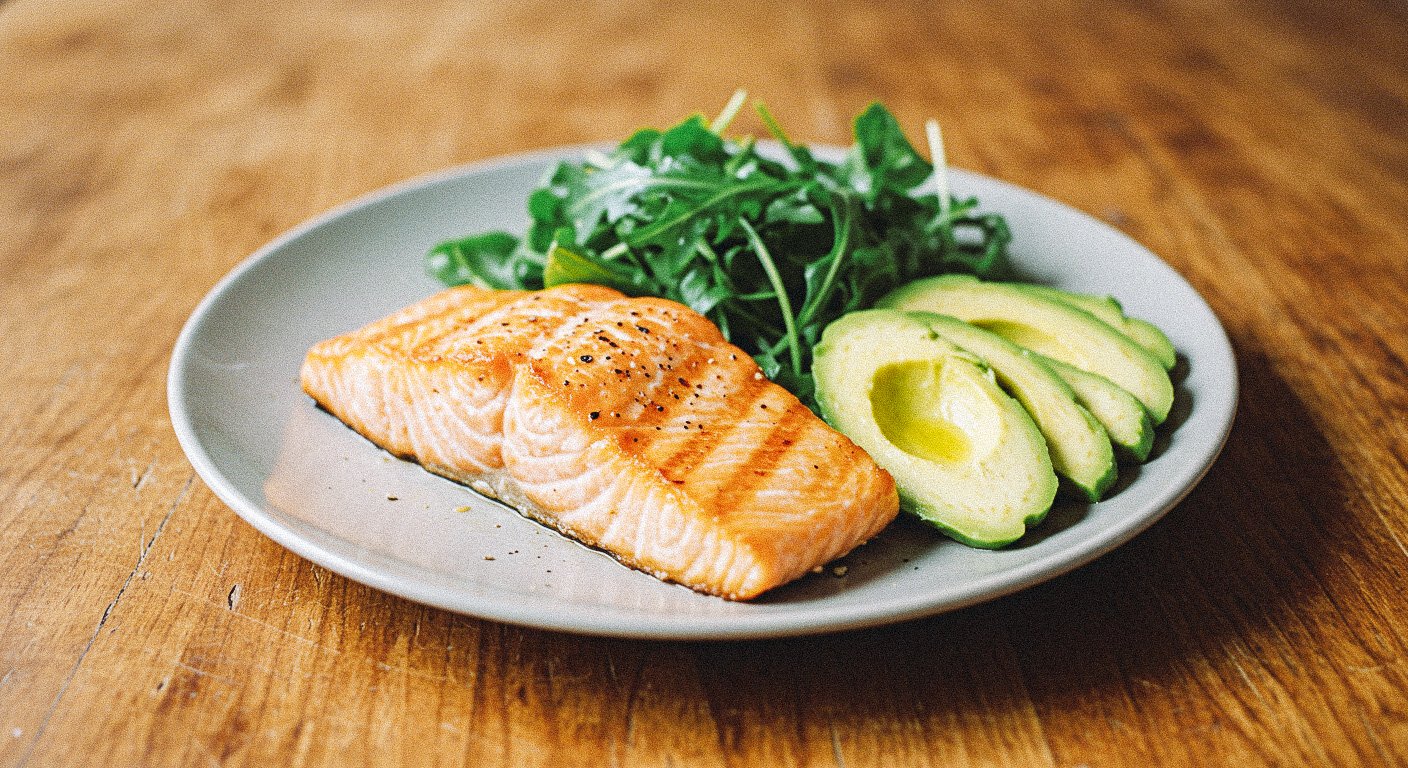
Frequent blood sugar spikes lead to insulin overproduction, promoting fat storage.
📌 How to Maintain Stable Blood Sugar
- Replace white rice and white bread with quinoa, whole wheat, and oats
- Avoid sugary drinks; opt for water, herbal tea, or black coffee
- Minimize processed foods and focus on whole, nutrient-dense meals
💡 A study found that those who avoided high-glycemic foods lost 20% more body fat compared to those who consumed the same calorie count but with high-glycemic foods.
4) Combine Strength & Cardio Workouts

Exercise prevents muscle loss while maximizing fat burn.
📌 Effective Workout Plan
✅ Strength Training (3-4 times per week) – Squats, deadlifts, push-ups
✅ Cardio (3 times per week) – HIIT workouts, running, cycling
✅ Daily Movement – Walk at least 10,000 steps per day
💡 A study found that combining strength and cardio training doubled fat loss results, with participants reducing their body fat by 18% over 3 months.
5) Prioritize Quality Sleep

Poor sleep disrupts hormones, leading to increased appetite and fat retention.
📌 Sleep Optimization Tips
- Sleep before midnight for better hormone regulation
- Avoid screens 2 hours before bed
- Limit caffeine intake in the evening
💡 A study found that people who slept fewer than 6 hours per night had a 30% lower fat loss rate compared to those getting adequate rest.
3. Key Takeaways – How to Succeed with the Switch On Diet
✔ Reduce carb intake and increase protein & healthy fats
✔ Incorporate intermittent fasting to accelerate fat burning
✔ Stabilize blood sugar levels to prevent fat accumulation
✔ Balance strength and cardio workouts for effective fat loss
✔ Prioritize sleep to regulate hunger and metabolism