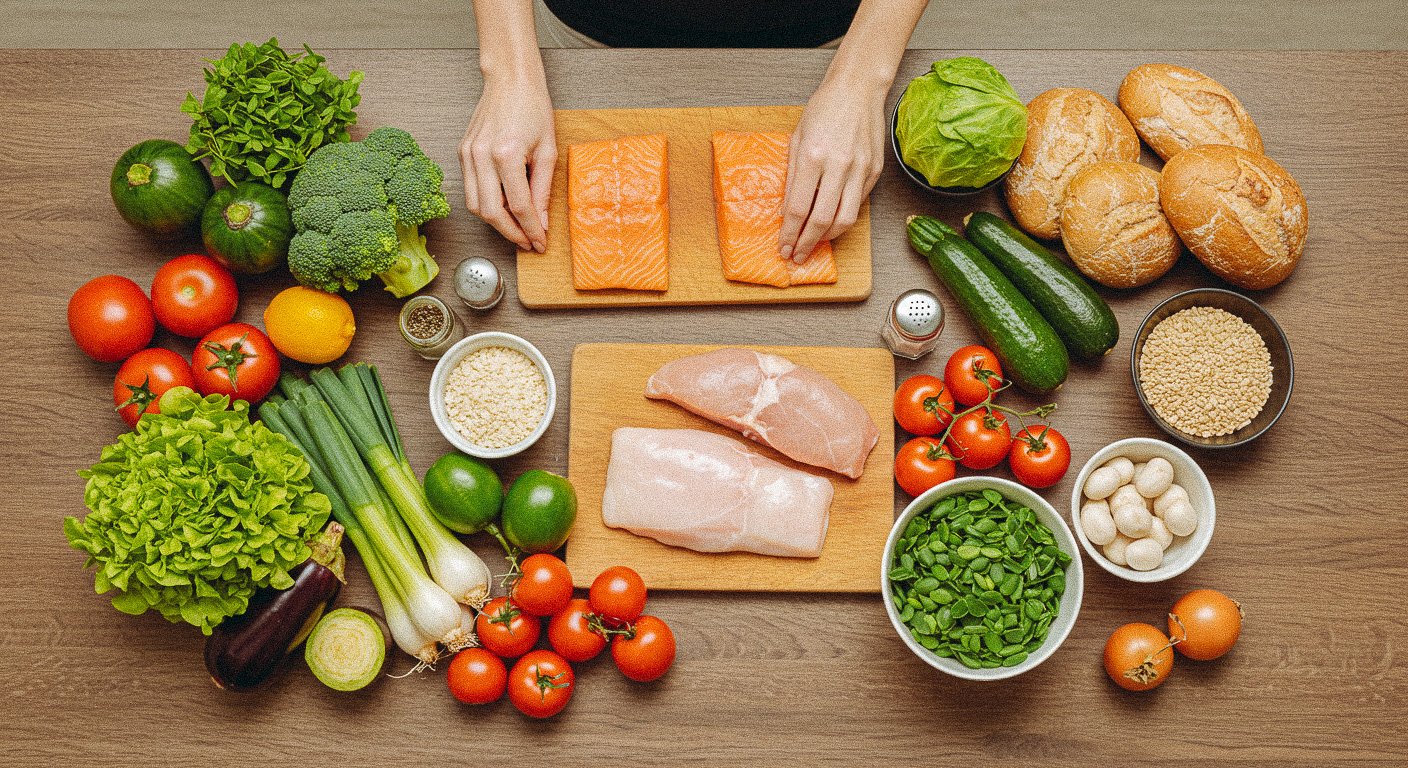
High blood pressure (hypertension) is a major risk factor for heart disease, stroke, and other serious health conditions.
With modern lifestyles becoming increasingly sedentary and stressful, many individuals experience elevated blood pressure levels.
Fortunately, adopting healthier habits can significantly help lower blood pressure without the need for medication.In this guide, we’ll explore scientifically proven methods to manage blood pressure and improve overall health.
1. Understanding High Blood Pressure and Its Risks
Hypertension occurs when the force of blood against artery walls remains consistently too high, increasing the strain on the heart and blood vessels.
According to the World Health Organization (WHO), around 30% of adults worldwide have high blood pressure, and this percentage rises above 50% for individuals over 40.
📌 Common Causes of High Blood Pressure
- Excessive Sodium Intake: High sodium levels cause water retention, increasing blood pressure.
- Lack of Physical Activity: A sedentary lifestyle leads to reduced vascular flexibility, raising blood pressure.
- Chronic Stress: Persistent stress tightens blood vessels, causing blood pressure spikes.
- Obesity and Overweight: Excess weight forces the heart to work harder, elevating blood pressure.
- Smoking and Alcohol Consumption: Nicotine and alcohol constrict blood vessels, leading to increased pressure.
Studies suggest that losing just 5–10% of body weight can reduce systolic blood pressure by 5–10 mmHg.
So, what lifestyle changes can help regulate blood pressure effectively?
2. Six Proven Ways to Lower Blood Pressure
1) Reduce Sodium Intake
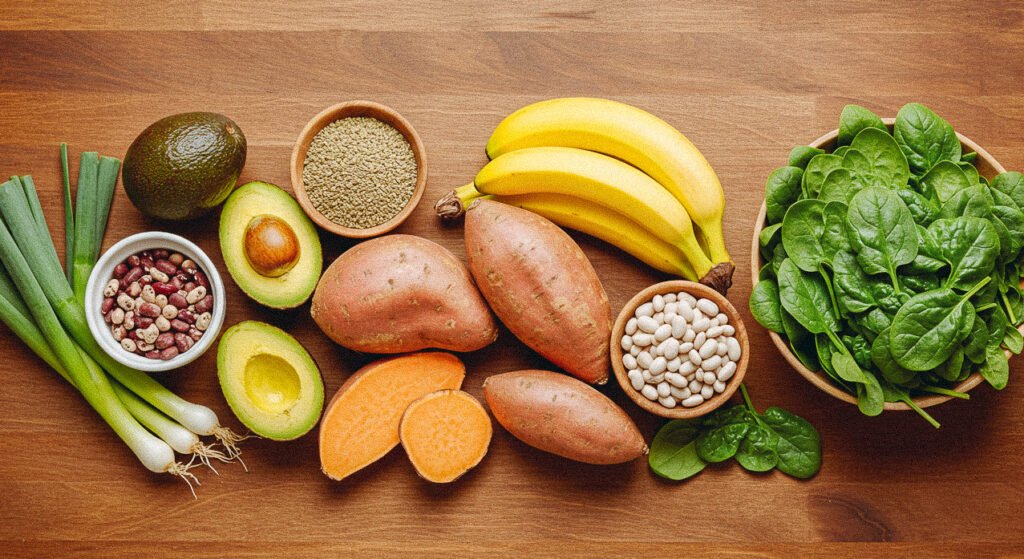
Cutting down on salt is one of the most effective ways to lower blood pressure naturally.
📌 How to Reduce Sodium
- Keep daily sodium intake below 2,300 mg (recommended by WHO).
- Limit processed foods such as cured meats, canned soups, and instant noodles.
- Opt for fresh ingredients and season with herbs instead of salt.
📌 Scientific Findings
A study revealed that individuals who reduced sodium intake to below 1,500 mg per day experienced a 5–6 mmHg drop in blood pressure compared to those maintaining a high-sodium diet.
2) Increase Potassium-Rich Foods
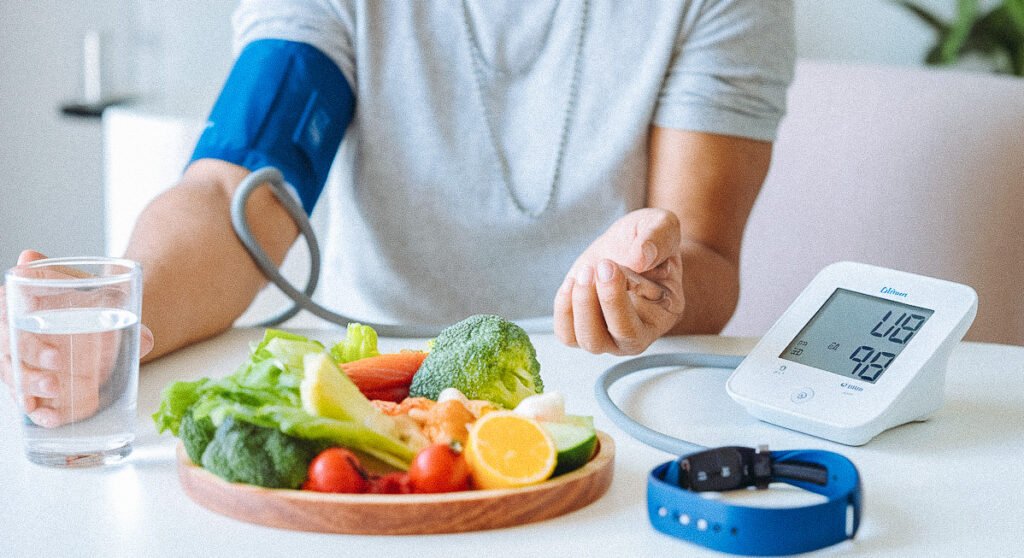
Potassium helps the body flush out excess sodium, balancing blood pressure levels.
📌 Best Potassium Sources
- Bananas, sweet potatoes, spinach, oranges, avocados
- Beans (lentils, kidney beans), nuts
💡 Research indicates that consuming 3,500–4,700 mg of potassium daily can reduce blood pressure by 4–5 mmHg on average.
3) Engage in Regular Aerobic Exercise

Exercise strengthens the heart and improves blood circulation, helping maintain normal blood pressure levels.
📌 Recommended Exercises
- Brisk walking for 30–40 minutes daily
- Cycling, swimming, or light jogging
- Aim for at least 150 minutes of aerobic exercise per week
📌 Scientific Findings
A Harvard study found that participants engaging in regular aerobic exercise for three months experienced an 8–10 mmHg reduction in blood pressure.
4) Limit Caffeine and Alcohol Consumption
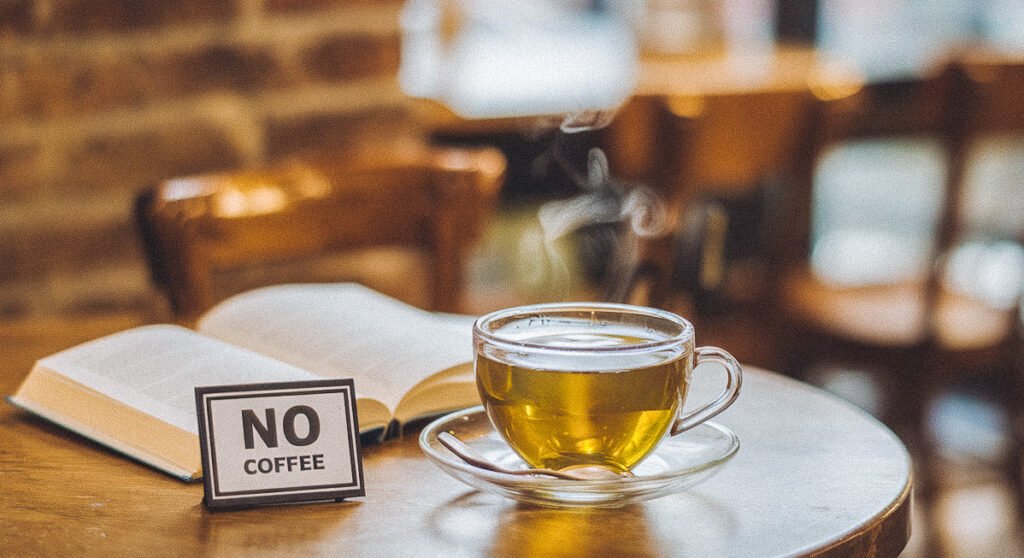
Both caffeine and alcohol can cause temporary spikes in blood pressure.
📌 Practical Tips
- Limit coffee intake to two cups per day
- Reduce alcohol consumption to 2–3 times per week
- Choose herbal tea or water over sugary drinks
💡 Studies show that reducing caffeine intake can lower blood pressure by 3–4 mmHg, while limiting alcohol can result in a reduction of up to 5 mmHg.
5) Manage Stress Effectively

Chronic stress can contribute to hypertension, so effective stress management is crucial.
📌 Ways to Reduce Stress
- Practice deep breathing or meditation
- Take short walks in nature
- Ensure 6–8 hours of quality sleep per night
📌 Scientific Findings
A study found that individuals practicing 15 minutes of daily meditation for eight weeks experienced an average 6 mmHg reduction in blood pressure.
6) Maintain a Healthy Weight
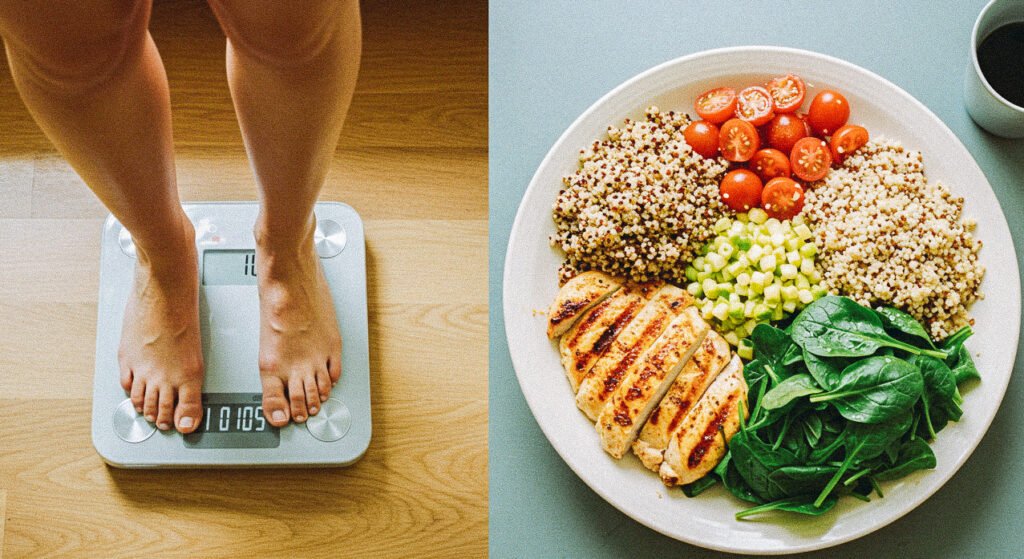
Excess weight forces the heart to work harder, leading to higher blood pressure.
📌 Weight Loss Benefits
- Losing 5 kg (11 lbs) can result in a 5–10 mmHg drop in blood pressure.
- Combining a balanced diet with regular exercise accelerates blood pressure control.
Losing weight not only improves cardiovascular health but also reduces inflammation in blood vessels, lowering the risk of heart disease.
3. Conclusion – Key Takeaways for Blood Pressure Management
- Reduce sodium intake and consume potassium-rich foods.
- Engage in regular exercise to improve cardiovascular health.
- Limit caffeine and alcohol consumption, and manage stress effectively.
- Maintain a healthy weight to enhance long-term blood pressure control.