Industrial Semiconductor Demand Recovery: Key Early Data Points for U.S. Investors to Monitor
As the semiconductor industry hits $1 trillion in 2026, early data signals recovery in industrial segments. U.S. investors should monitor inventory levels, equipment sales, and Edge AI adoption for opportunities.
Read more
Foundry Utilization Trends and Sector Timing Signals for 2026: Key Insights for U.S. Investors
As 2026 unfolds, foundry utilization rates signal strong opportunities in AI-advanced nodes and nonferrous metals, amid polarized mature node dynamics. U.S. investors should monitor capacity tightness and EV demand for optimal entry points.
Read more
HBM Memory Supply-Demand Imbalance: Key Implications for U.S. Chip Investors in 2026
AI-driven demand for High Bandwidth Memory (HBM) is tightening supply and boosting prices across the memory market, creating a supercycle with strong upside for leading chipmakers like SK Hynix, Samsung, and Micron.
Read more
Covered-Call ETFs: Pros and Hidden Trade-Offs for U.S. Investors in Volatile Markets
Covered-call ETFs offer income through option premiums but cap upside in volatile markets. Learn the pros, trade-offs, and strategies for U.S. investors.
Read more
AI Infrastructure Investment Outlook 2026: Balancing Opportunities and Risks for U.S. Investors
Big Tech's projected $650 billion AI spend in 2026 signals massive infrastructure opportunities, but energy constraints and capex risks demand careful balance for investors.
Read more
Semiconductor Cycle Bottom Signals: 5 Indicators U.S. Investors Should Watch in 2026
As the semiconductor industry eyes $1 trillion in sales for 2026, U.S. investors should monitor these 5 indicators to spot cycle bottom signals amid AI growth and supply dynamics.
Read more
ETF Rebalancing Frequency: Quarterly vs. Semiannual Performance Trade-offs for U.S. Investors
Discover the performance trade-offs of quarterly versus semiannual ETF rebalancing. Data shows minimal drift reduction from quarterly but 70% higher costs—ideal frequency depends on your portfolio and market conditions.
Read more
Gold ETF vs. Treasury ETF: Navigating Persistent Inflation for U.S. Investors
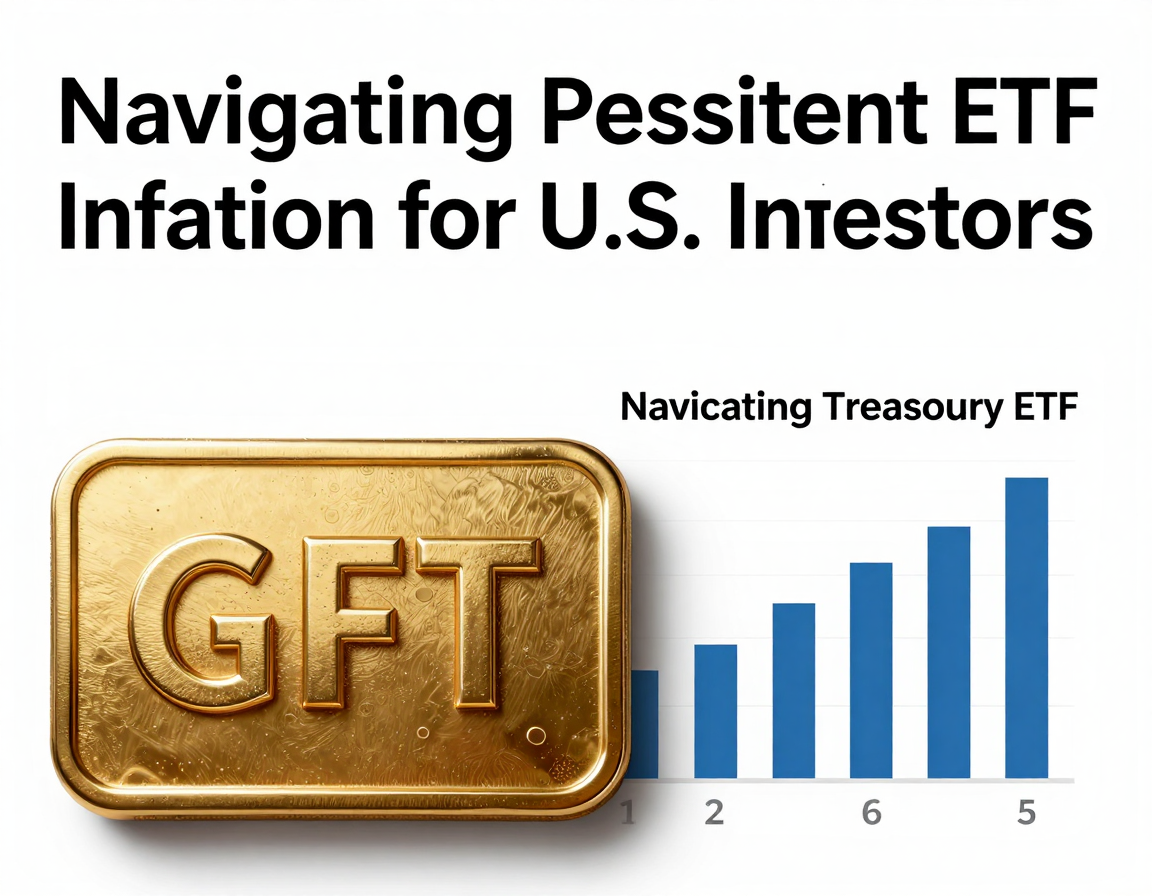
In phases of persistent inflation, Gold ETFs often outperform Treasury ETFs as hedges, while Treasuries shine when inflation decelerates. Discover systematic strategies backed by research.
Read more
Dividend ETF Strategy for Consistent Cash Flow in Uncertain Markets
In volatile 2026 markets, a dividend ETF strategy focusing on proven growers like SCHD and VIG delivers reliable income with lower volatility, backed by Morningstar analysis.
Read more
Foundry Utilization Trends and Sector Timing Signals for 2026: Key Insights for U.S. Investors
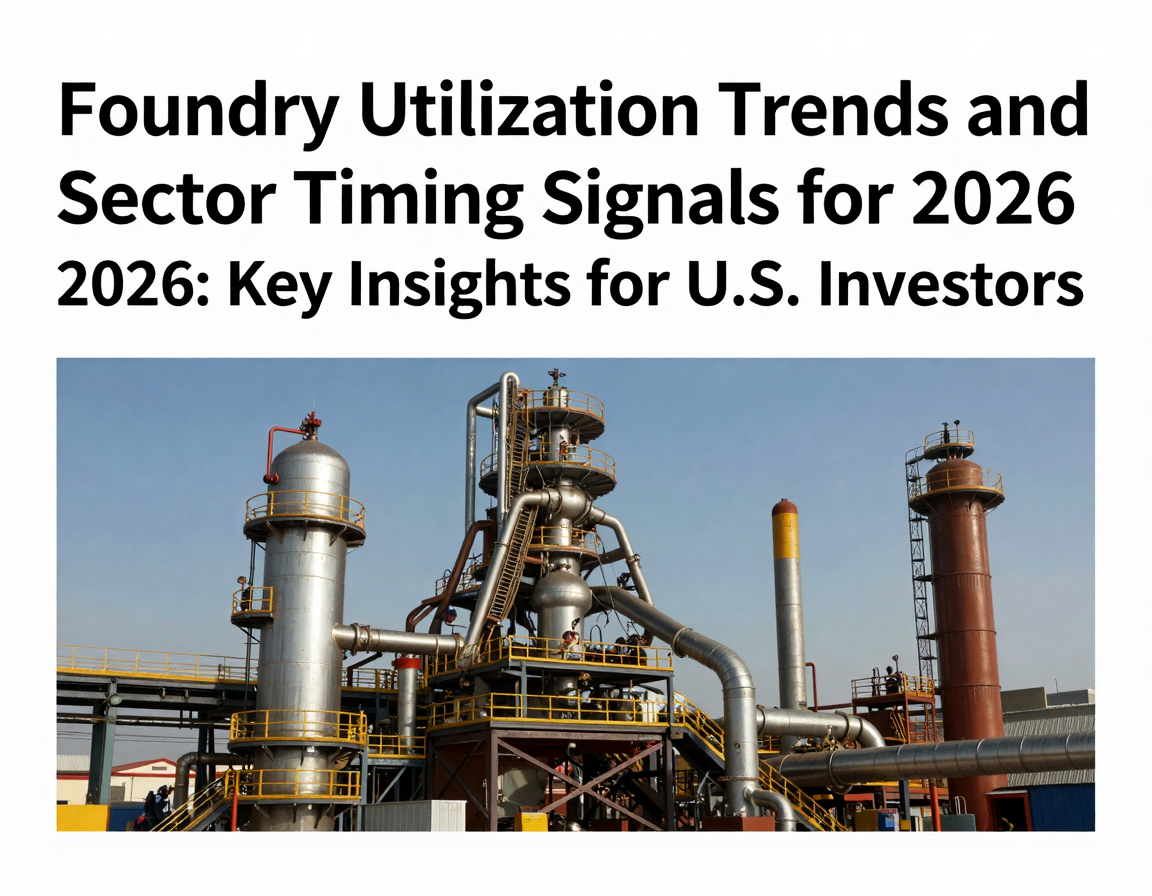
As foundry markets project strong growth into 2026, utilization rates signal investment opportunities in AI-driven semis, EV castings, and sustainable metals. This analysis breaks down trends and timing for U.S. investors.
Read more