ETF Rebalancing Frequency: Quarterly vs. Semiannual Performance Trade-Off for U.S. Investors

U.S. investors face a key decision: quarterly or semiannual ETF rebalancing? Research reveals quarterly offers little extra benefit over semiannual while spiking transaction costs by up to 70%. Discover the data-driven trade-offs.
Read more
Dividend ETF Strategy for Consistent Cash Flow in Uncertain Markets

Dividend ETFs offer U.S. investors a structured approach to generating consistent cash flow amid market uncertainty. This guide explores dividend growth and high-yield strategies, compares leading ETF options, and provides actionable steps to build an income-focused portfolio.
Read more
Covered-Call ETF Pros and Hidden Trade-Offs in Volatile Markets: A Complete Guide for U.S. Investors
Covered-call ETFs offer attractive income potential through option premiums, but they come with significant trade-offs—especially during market rallies. Discover how these funds work, their real advantages, and the hidden costs that could impact your returns.
Read more
How U.S. Rate Cuts May Reshape Equity Leadership in 2026
The Federal Reserve's monetary policy trajectory in 2026 will likely trigger significant shifts in equity market leadership. With forecasters expecting one to two rate cuts this year, investors should understand how changing interest rates reshape sector valuations, growth dynamics, and portfolio positioning.
Read more
ETF Rebalancing Frequency: Quarterly vs. Semiannual Performance Trade-Off
Should you rebalance your ETF portfolio quarterly or semiannually? This data-driven guide compares both strategies, examining performance trade-offs, transaction costs, and which approach works best for different investor types.
Read more
Gold ETF vs Treasury ETF: Navigating Persistent Inflation for U.S. Investors
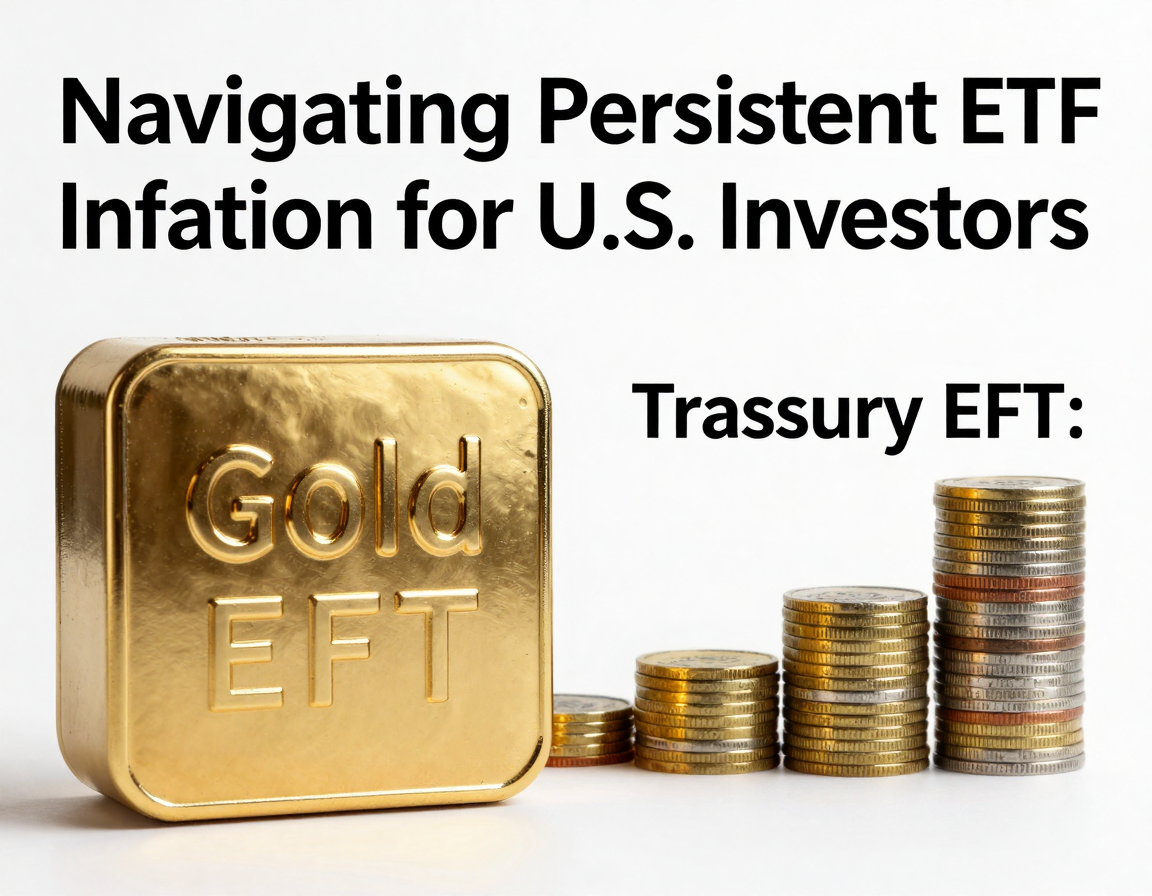
In persistent inflation, Gold ETFs shine as hedges while Treasury ETFs like TIPS provide stability. Learn regime-based strategies from research.
Read more
Dollar Strength vs. U.S. Equity Returns: What Retail Investors Should Track in 2026
The U.S. dollar's weakness in 2025 and early 2026 is reshaping equity returns for American investors. Discover the critical relationship between currency movements and stock performance, and learn which indicators matter most for your portfolio.
Read more
How to Interpret the Fed Dot Plot in 2026: A Practical Guide for Investors
The Federal Reserve's dot plot is a critical tool for investors seeking to anticipate interest rate movements and economic policy shifts. This guide explains what the dot plot shows, how to read it, and how to use it to inform your investment decisions in 2026.
Read more
What Investors Should Do When the VIX Fear Index Spikes in 2026
The VIX fear index has shown renewed volatility in early 2026, climbing above the 20-point threshold amid geopolitical tensions and market uncertainty. Discover actionable strategies U.S. investors should implement when volatility spikes.
Read more
2026 Interest Rate Outlook and Smart Investment Strategies

As we move toward 2026, both U.S. and global financial markets are entering a phase best described as stability rather ...
Read more