Dollar Strength vs. U.S. Equity Returns: What Retail Investors Should Track in 2026
The U.S. dollar's weakness in 2025 and early 2026 is reshaping equity returns for American investors. Discover the critical relationship between currency movements and stock performance, and learn which indicators matter most for your portfolio.
Read more
Why You’re Not Losing Weight Despite Exercise: 5 Critical Factors to Check

You're exercising consistently, but the scale won't budge. This frustrating plateau happens to many people and has specific, fixable causes. Learn what to check and how to restart your progress.
Read more
Optimizing Bond ETF Duration for a Soft-Landing Scenario: Strategies for U.S. Investors in 2026

In a potential soft-landing economy for 2026, U.S. investors can leverage intermediate-duration bond ETFs to capture income and moderate price gains from expected Fed rate cuts.[1][4]
Read more
20-Minute Full-Body Home Workout Routine: Effective Results with Just Home Training

Achieve noticeable strength gains with this 20-minute all-standing full-body home workout. No gym needed—just bodyweight or dumbbells for squats, lunges, presses, and more to target every major muscle group efficiently.
Read more
How U.S. Rate Cuts May Reshape Equity Leadership in 2026
As the Federal Reserve eyes additional rate cuts in 2026, U.S. equity leadership may pivot from high-growth tech to rate-sensitive sectors like financials, real estate, and small caps. Forecasts from Bankrate, Goldman Sachs, and others guide this outlook.
Read more
AI Infrastructure Investment Outlook in 2026: Balancing Opportunity and Risk for U.S. Investors

AI infrastructure spending is set to hit record levels in 2026, led by hyperscalers, data centers, semiconductors, and power providers. This article offers U.S. investors a factual, data-driven review of the opportunity and risks, plus a practical checklist to navigate the AI build‑out with discipline.
Read more
7 Reasons You Wake Up Tired and How to Fix Your Sleep Routine

Waking up tired most mornings is not just “getting older.” Evidence points to specific, changeable habits and medical factors behind morning fatigue. This article explains seven data-backed reasons you wake up tired and offers a practical, low-risk plan to reset your sleep routine—plus when to see a doctor.
Read more
Menstrual Cycle Exercise Strategy for Women: A Phase-Based Fitness Guide

Cycle syncing matches your exercise routine and diet to the four phases of your menstrual cycle. This evidence-based approach can help you feel better, perform stronger, and recover more effectively by working with your body's natural hormonal rhythms.
Read more
How to Interpret the Fed Dot Plot in 2026: A Practical Guide for Investors
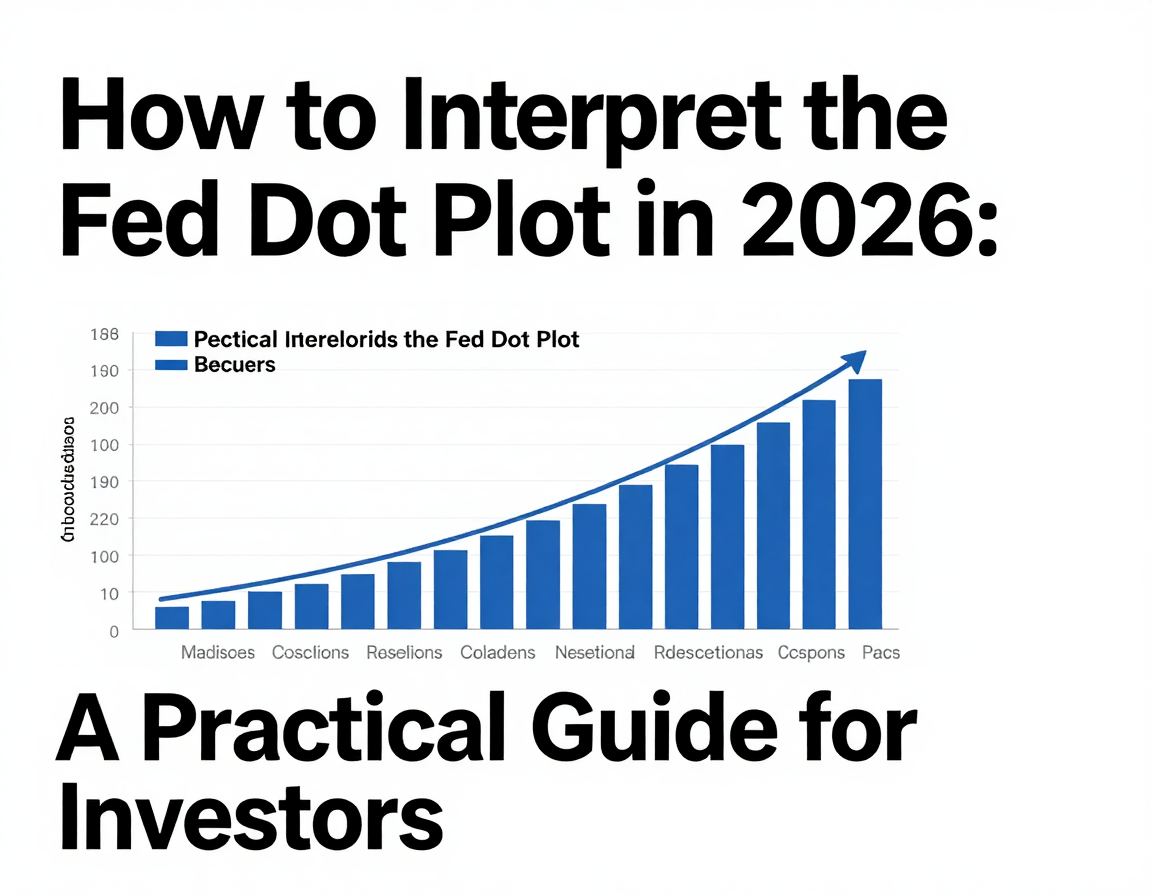
The Federal Reserve's dot plot is a critical tool for investors seeking to anticipate interest rate movements and economic policy shifts. This guide explains what the dot plot shows, how to read it, and how to use it to inform your investment decisions in 2026.
Read more
How to Tame Severe Post‑Meal Sleepiness by Adjusting Carbs

Feeling knocked out after eating is common, but when post-meal sleepiness is severe or frequent, your carbohydrate pattern may be part of the problem. This article explains how carbs, blood sugar, and hormones interact, and shows you step by step how to adjust the type, amount, and timing of carbohydrates to reduce post-meal drowsiness—plus when to see a doctor.
Read more