Menstrual cramps, or dysmenorrhea, affect 16.8–81% of women of reproductive age, with severe symptoms in 12–14%. Research links lifestyle habits and dietary choices to pain severity, showing that adjustments like regular breakfast, nutrient-rich foods, and low-intensity exercise can reduce discomfort through anti-inflammatory effects and improved blood flow.
1) Eat Breakfast Regularly
Skipping breakfast is associated with increased menstrual pain, as it may lower core body temperature and heighten pain signals. Women with lighter cramps ate breakfast more frequently, with 73.6% in the light pain group doing so almost every morning compared to 64.4% in the heavy pain group. Regular meals stabilize blood sugar and support nutrient absorption, potentially easing spasms and inflammation.
2) Incorporate Low-Intensity Exercise
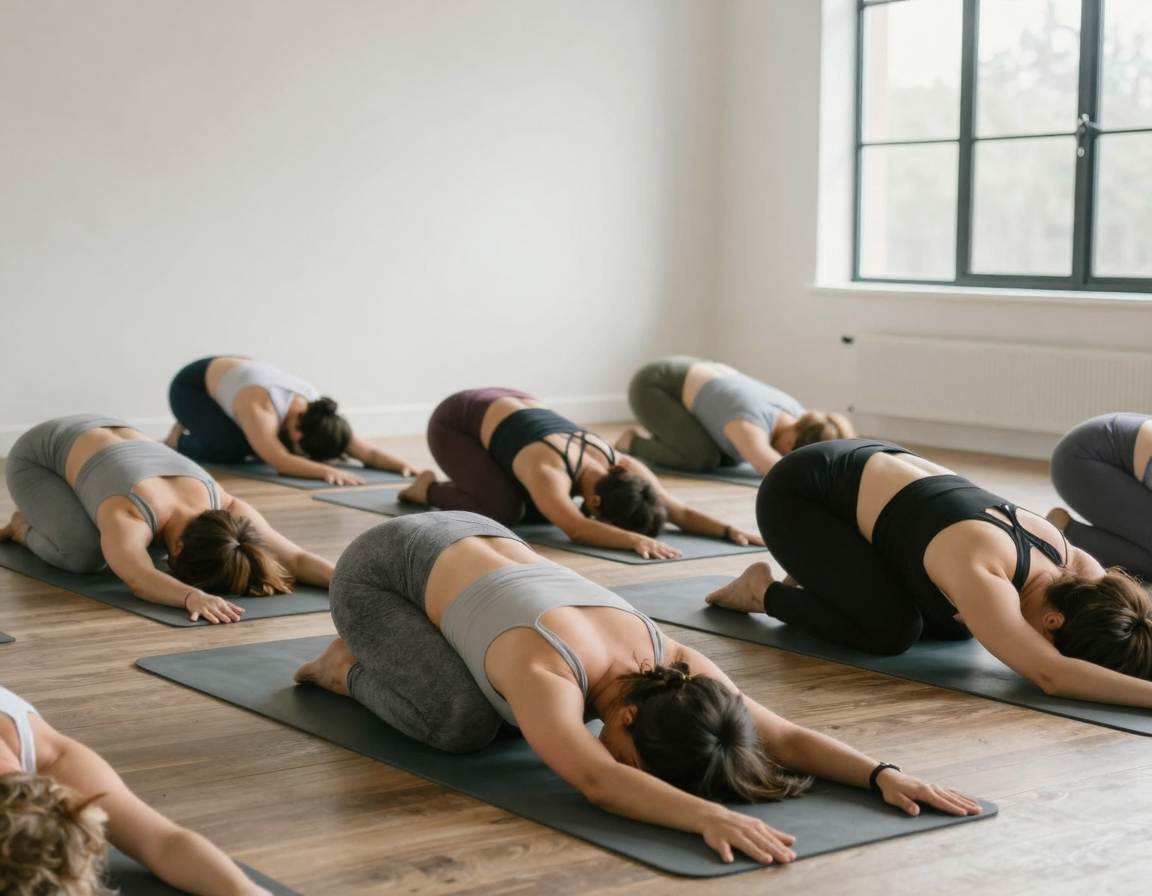
Low-intensity activities like yoga, pilates, stretching, walking, or swimming significantly reduce menstrual pain by boosting blood flow to the abdomen, activating thermoreceptors, and releasing endorphins. Studies show these exercises outperform ibuprofen in some cases and, over 8-12 weeks, decrease both intensity and duration of cramps while lowering inflammatory markers and cortisol. Aim for 20-30 minutes daily, focusing on hip and lower back stretches.
3) Prioritize Nutrient-Rich Foods
Higher intake of vegetables before menstruation correlates with less pain by stabilizing blood pressure and promoting anti-inflammatory effects. Fish, rich in vitamins D and B12, animal proteins, and omega-3 fatty acids, is linked to milder symptoms; the light pain group consumed more grilled, dried, or raw fish. Foods like dairy, eggs, leafy greens, berries, nuts, and whole grains further support relief by providing magnesium, fiber, and anti-inflammatory compounds.
4) Reduce Sugar and Focus on Anti-Inflammatories
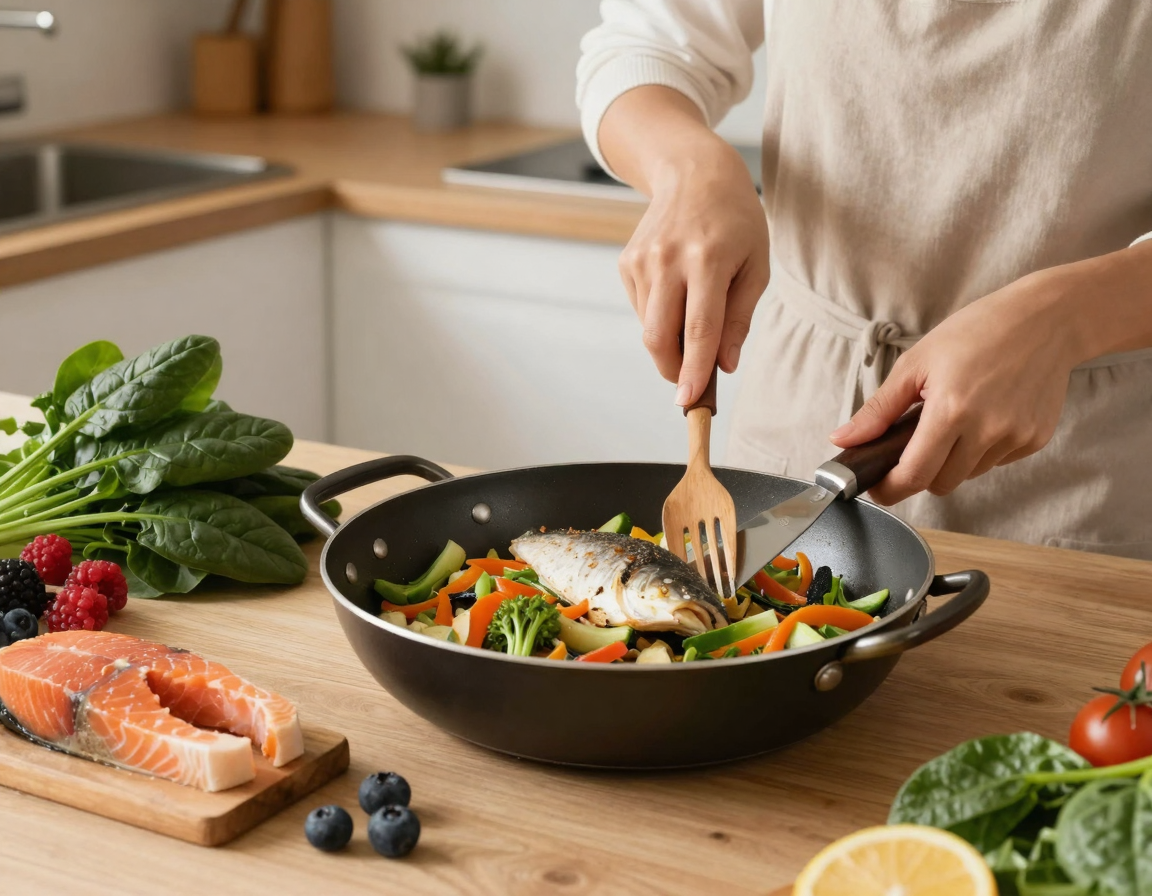
Excess sugar disrupts vitamin and mineral metabolism, leading to muscle spasms and worsened pain. Limiting processed sugars, caffeine, alcohol, and high-sodium snacks helps tame prostaglandin production and inflammation. Instead, emphasize omega-3 sources like salmon and flaxseeds, ginger, turmeric, and magnesium-rich almonds or dark chocolate to directly lower cramping severity.
5) Optimize Sleep and Bathing Routines
Going to bed before 10 p.m. and getting 7-8 hours of quality sleep reduces inflammation, supports tissue repair, and boosts endorphins and serotonin. Daily bathing, especially soaking in a warm tub, is more common in women with lighter pain (40.5% vs. 26.7% in heavy group), likely aiding muscle relaxation and circulation. Combine with deep breathing or mindfulness for enhanced relief.
6) Stay Hydrated and Consider Key Supplements

Aim for at least eight cups of water daily to reduce bloating and support circulation. Evidence supports supplemental vitamins if diet falls short: vitamin D (50,000 IU weekly for 8 weeks), B12, thiamin (100 mg for 60 days), vitamin E, omega-3 (2g fish oil daily), magnesium (250 mg with B6), and dietary fiber have alleviated pain in studies. Always meet recommended daily intakes through food first.
How to Apply This in Practice
Daily Checklist for Menstrual Cramps Relief:
- Eat breakfast every morning with protein and veggies.
- Do 20-30 minutes of yoga or walking, 3-5 times weekly.
- Include fish, leafy greens, and omega-3 foods 4+ times weekly.
- Limit sugar and caffeine, especially pre-period.
- Bed before 10 p.m.; aim for 7-8 hours sleep.
- Take a warm bath daily during symptoms.
- Drink 8+ cups water; track intake.
- Practice deep breathing or stretching when pain starts.
Track symptoms in a journal to identify patterns and adjust habits. Consistency over 8-12 weeks yields the best results.
Risk Note
These lifestyle changes are supportive and evidence-informed but not a substitute for medical advice. Severe, persistent pain may indicate underlying conditions like endometriosis; consult a healthcare provider before starting supplements, especially if pregnant, on medications, or with health conditions. Individual results vary.