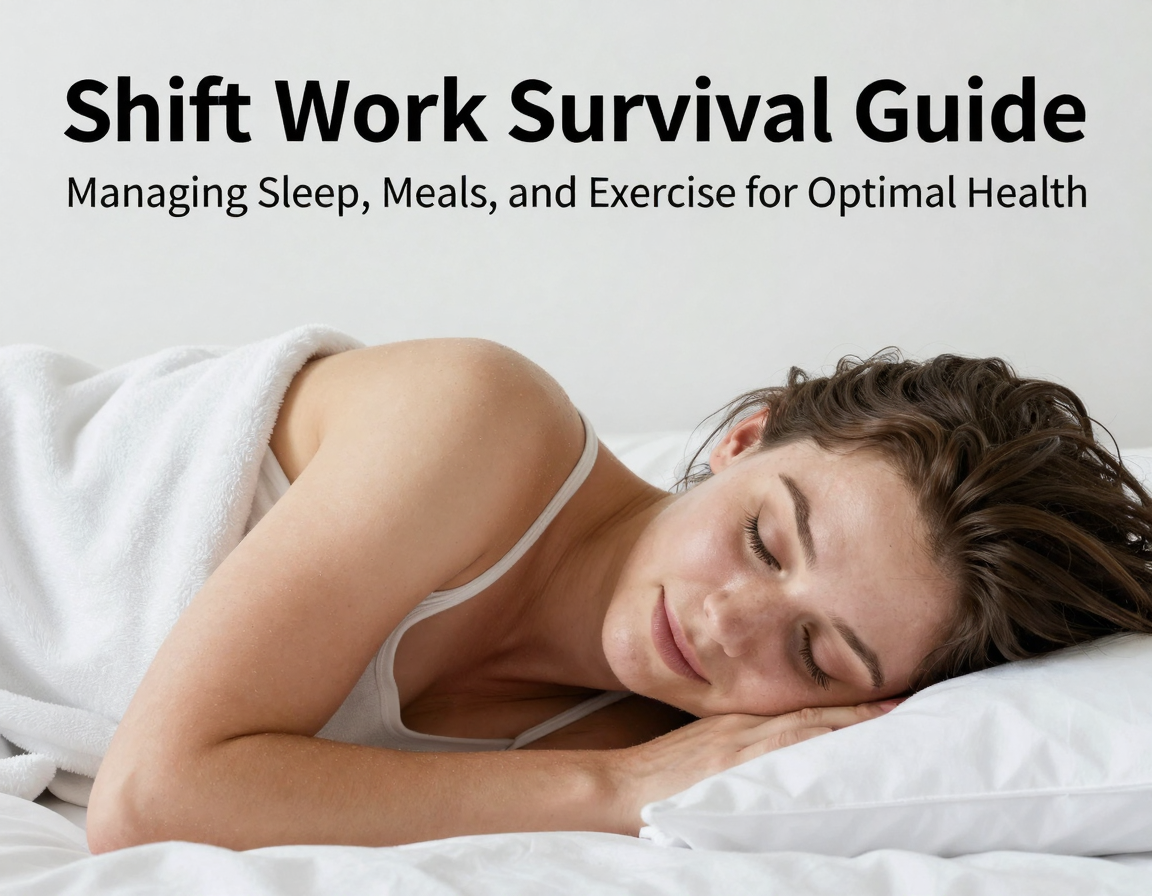
1) Mastering Sleep for Shift Workers
Shift work disrupts circadian rhythms, leading to sleep disorders, chronic fatigue, and increased risks of hypertension, heart attack, and stroke, as noted by the American Heart Association. Effective sleep management prioritizes consistent patterns despite irregular schedules. Aim for fixed sleep times daily, even if brief, and use short naps of 20-30 minutes to boost alertness without interfering with nighttime rest. For rotating shifts, gradually adjust sleep by small increments to help the body adapt; fixed night shifts benefit from limiting daytime social activities to protect sleep windows.
Control light exposure: brighten work areas during night shifts to maintain alertness, and wear sunglasses or blue-light blocking glasses upon leaving to signal ‘night’ to the brain and promote melatonin release. Create a sleep-conducive environment by reducing noise with earplugs, blackout curtains, or turning off ringers. Limit night shifts to 8 hours maximum to preserve biological rhythms. Post-shift, use foot baths or half-body baths to lower body temperature, aiding sleep onset. These strategies counteract melatonin and cortisol disruptions that cause insomnia and immune decline.
2) Optimizing Nutrition and Meal Timing

Irregular eating in shift work spikes appetite at night, reduces insulin sensitivity, and raises obesity, diabetes, and digestive issues. Maintain regular meal times daily when possible, focusing on balanced nutrients: carbohydrates, proteins, fats, vitamins, and minerals from fruits, vegetables, and hydration. Drink ample water to combat fatigue and support bodily functions.
Avoid late-night high-carb or high-fat foods after midnight; opt for small, high-protein snacks like boiled eggs, soy milk, nuts, or Greek yogurt during shifts to stabilize blood sugar without digestive burden. Eat lightly before sleep if hungry, preferring protein over heavy meals to prevent discomfort. Reduce late-night snacking overall and prepare simple, healthy options like pre-packed salads or smoothies for convenience. These habits prevent gastrointestinal disorders common in shift workers.
3) Building an Effective Exercise Routine
Regular activity counters shift work’s health tolls like metabolic issues and stress, but must fit irregular schedules. Divide 30 minutes of daily exercise into short sessions for feasibility; perform light stretching, yoga, or jogging before or after shifts to loosen muscles and relieve fatigue. Schedule workouts considering shift patterns, using commute or break times for quick walks or stretches.
Avoid intense exercise near bedtime as it hinders sleep; daily light walking or stretching once at a fixed time suffices for night workers. Pre-shift exercise benefits morning and evening rotators alike. Consistency prevents weight gain and boosts mood amid disrupted rhythms.
4) Stress Management and Mental Resilience

Shift work elevates stress via sleep loss and isolation, worsening blood pressure and mental health. Practice simple principles: sleep when tired, eat when hungry, despite challenges. Use mindfulness meditation, lavender oil, or melatonin supplements under guidance for persistent insomnia, fatigue, or irritability.
Join online communities for shift workers to share tips and gain support. Regular health checkups target cardiovascular, digestive, and mental risks; stay current on flu and pneumonia vaccines due to immunity dips. Discuss job stress with peers or professionals. These reduce chronic tension and sympathetic nervous overactivation.
5) Integrating Habits for Long-Term Wellness
Combine sleep, diet, and exercise holistically: plan schedules accounting for rotations, ensuring recovery post-night shifts. Maintain clean workspaces to minimize additional stressors. Track progress with journals to refine routines, prioritizing physician evaluations for pre-existing conditions before shifts. Balanced integration sustains energy and prevents disorders like metabolic syndrome.
6) Monitoring Health and Seeking Support

Shift workers face heightened cardiovascular, sleep, and mood risks; annual screenings for heart, gut, and mental health are essential. Watch for signs like ongoing fatigue, anxiety, or anger prompting professional consults. Industrial health guidelines recommend fitness assessments for at-risk individuals. Workplace support, like adjusted schedules considering circadian needs, enhances outcomes. Early intervention preserves longevity in demanding roles.
How to Apply This in Practice
Daily Checklist for Shift Workers:
- Sleep: Set fixed sleep windows; use blackout tools and light controls. Limit to 20-30 min naps.
- Meals: Eat balanced, timed meals; high-protein night snacks only; hydrate constantly.
- Exercise: 30 min split sessions; light pre/post-shift activity.
- Stress: Meditate 10 min daily; connect online.
- Monitor: Log symptoms; schedule checkups and vaccines.
- Environment: Noise-proof sleep space; max 8-hour nights.
Risk Note
Shift work independently raises heart disease, stroke, diabetes, obesity, and cancer risks via circadian disruption; unmanaged sleep issues can lead to chronic insomnia and immunity failure. Consult physicians before major changes, especially with conditions like hypertension. This guide draws from sources like AHA statements but substitutes professional medical advice.