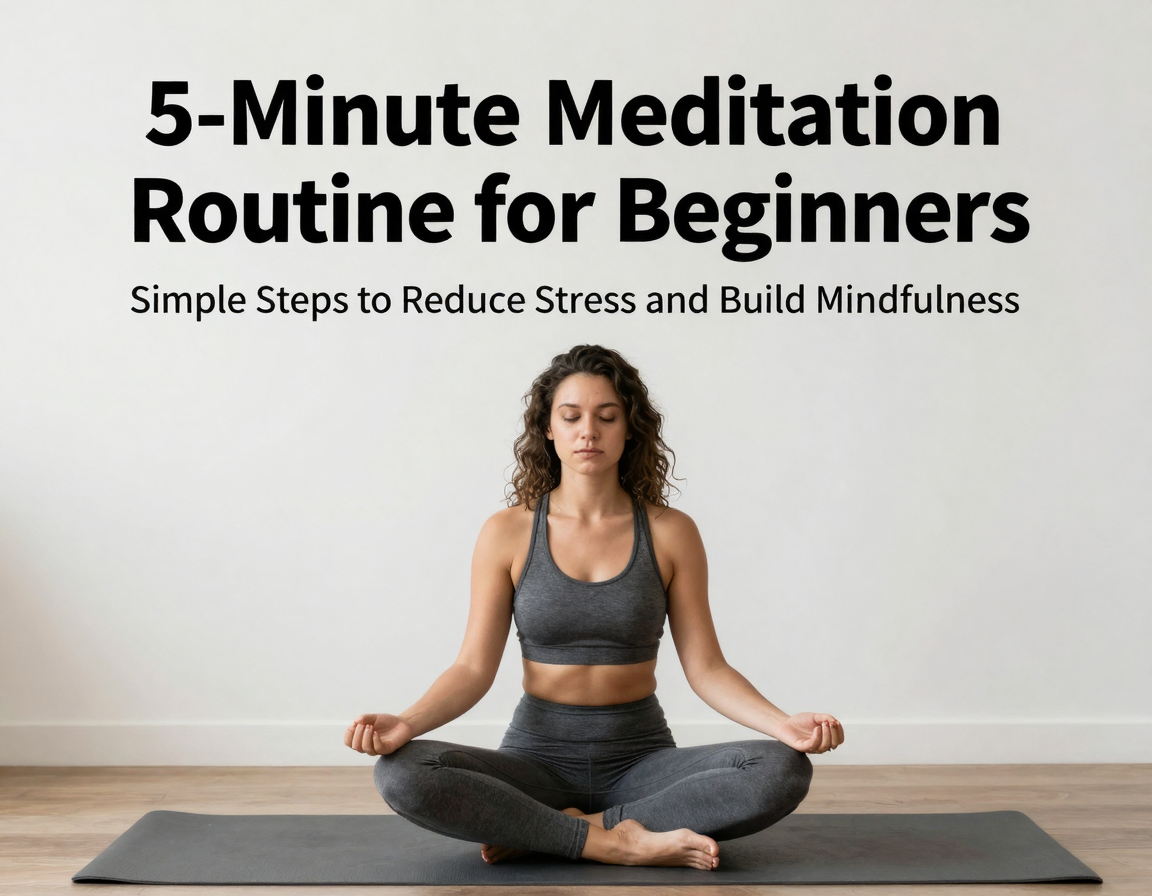
Starting a meditation practice can seem daunting for beginners, but a simple 5-minute routine offers an accessible entry point supported by research showing benefits like reduced anxiety and improved focus. This evidence-informed guide breaks down a practical 5-minute meditation into six steps, drawing from established mindfulness techniques that slow breathing, relax the body, and cultivate awareness. Regular short sessions, as little as five minutes daily, can enhance cognitive control, mood, and resilience, with studies indicating effects comparable to antidepressants for anxiety relief.
1) Prepare Your Space and Posture
Find a quiet, comfortable spot to sit upright in a chair or on the floor with your back straight, feet flat on the ground, and hands resting on your lap. This posture promotes alertness without strain, allowing your body to relax while maintaining awareness, as recommended in beginner mindfulness guides. Avoid lying down initially to prevent drowsiness, and set a gentle timer for five minutes to keep the session contained and approachable.
2) Begin with Conscious Breathing
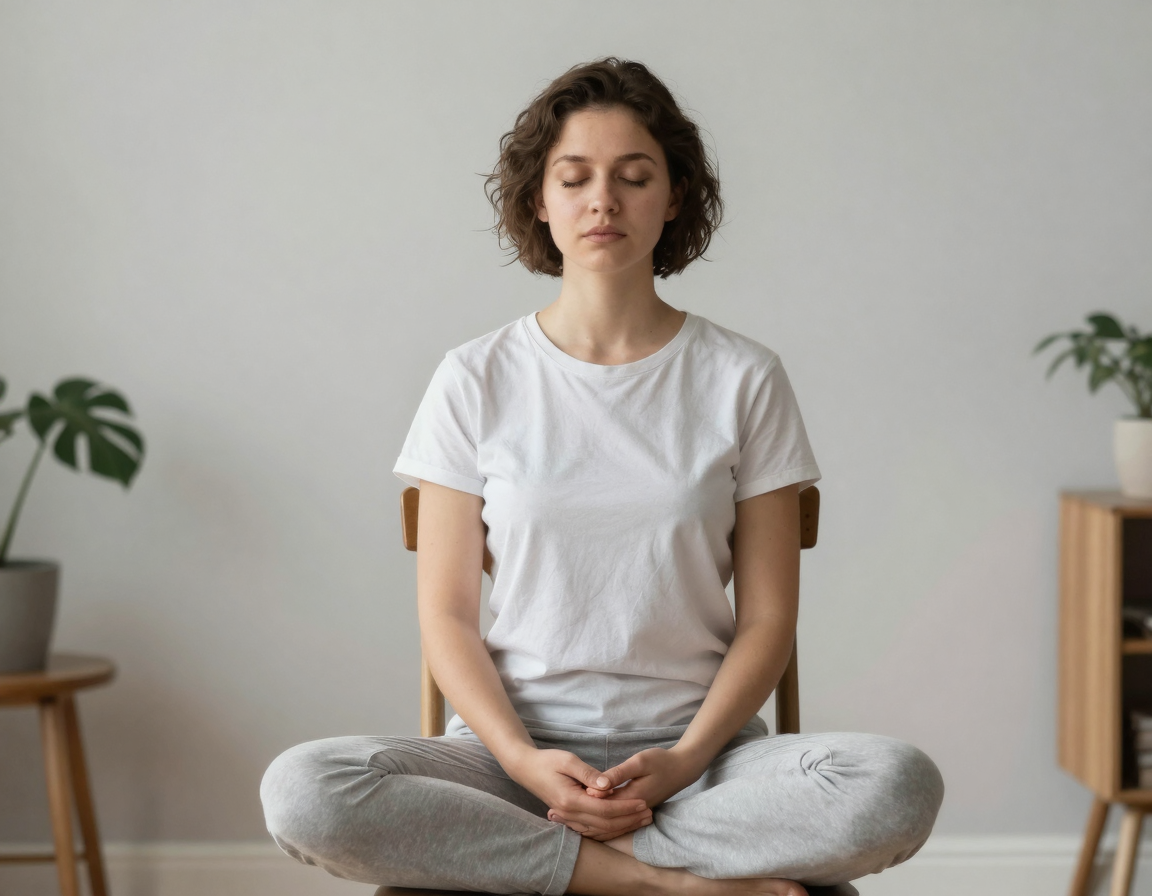
Close your eyes softly and shift your attention to your natural breath, noticing the air entering and exiting through your nose. Inhale deeply to fill your abdomen first, then your chest, expanding your ribs, hold briefly, and exhale slowly in reverse, repeating this diaphragmatic breathing for about one minute. This technique slows your breath, activates relaxation, and serves as an anchor for your mind, proven to reduce stress in short practices.
3) Practice Breath Awareness
Continue focusing on the sensation of breath at your nostrils or abdomen, counting inhales to four and exhales to six if it helps maintain focus. When thoughts arise, acknowledge them without judgment and gently return to your breath—this is normal and part of building mindfulness. Research supports that even brief breath-focused meditation strengthens brain connections for better cognitive control.
4) Incorporate Body Relaxation

Scan your body from head to toe: relax your forehead, eyes, jaw, neck, shoulders, arms, hands, torso, legs, and feet, breathing into any tense areas. Gently roll your neck or flex your fingers to release tension, spending about one to two minutes on this progressive relaxation. This body awareness step fosters self-compassion and deeper calm, aligning with guided practices that improve mood and immune function.
5) Deepen Mindfulness and Presence
Expand your awareness to include the space around your body, observing sensations without attachment, maintaining compassion for wandering thoughts. Stay present with your breath as the core focus, allowing a sense of stillness to emerge—this phase builds resilience against daily distractions. Short sessions like this train the mind for longer practices over time while delivering immediate relaxation benefits.
6) Gently Conclude the Session

As your timer nears the end, take a few final deep breaths, then slowly roll your neck, stretch your face with gentle movements, and open your eyes. Notice how your body and mind feel, carrying this calm into your day—this transition reinforces the practice’s lasting effects on focus and positivity.
How to Apply This in Practice
Daily Checklist for Your 5-Minute Routine:
- Select a quiet spot and comfortable upright seat.
- Set a 5-minute timer.
- Close eyes and breathe deeply: inhale abdomen/chest (4 counts), exhale slowly (6 counts).
- Focus on breath at nose or belly; redirect wandering mind gently.
- Scan and relax body from head to toes, breathing into tension.
- Expand awareness around body with compassion.
- End with neck rolls, face stretches, deep breaths; open eyes mindfully.
Incorporate this during morning routines, lunch breaks, or before bed for consistent benefits like better sleep and stress reduction. Start with one session daily, gradually increasing as comfort grows.
Risk Note
Meditation is generally safe for most people, but if you have severe mental health conditions like psychosis, trauma, or anxiety disorders, consult a healthcare professional before starting, as it may intensify symptoms in rare cases. Stop if you experience discomfort, dizziness, or emotional distress, and seek medical advice. This routine is not a substitute for professional therapy or treatment.