The global foundry sector is poised for significant growth in 2026, with semiconductor advanced nodes at full utilization due to AI demand, while metal casting markets expand at 4-5% CAGR driven by EVs, infrastructure, and sustainability. U.S. investors can time entries based on capacity tightness signals, revenue projections to $224.81 billion by 2030, and tech integrations like AI and 3D printing.
1)
Foundry utilization varies sharply by segment in 2026. Semiconductor advanced nodes and packaging capacities are fully loaded, prompting price hikes amid robust AI demand, while 8-inch capacity tightens from production cuts and AI power IC needs; mature 12-inch nodes lag due to weak consumer electronics. In metal foundries, capacity utilization holds at 40-70% despite 15% production growth over recent months, reflecting infrastructure and automotive recovery. Nonferrous expansions, especially aluminum and copper, signal rising utilization as EV chassis demand boosts aluminum die casting by 20% per vehicle.
2)
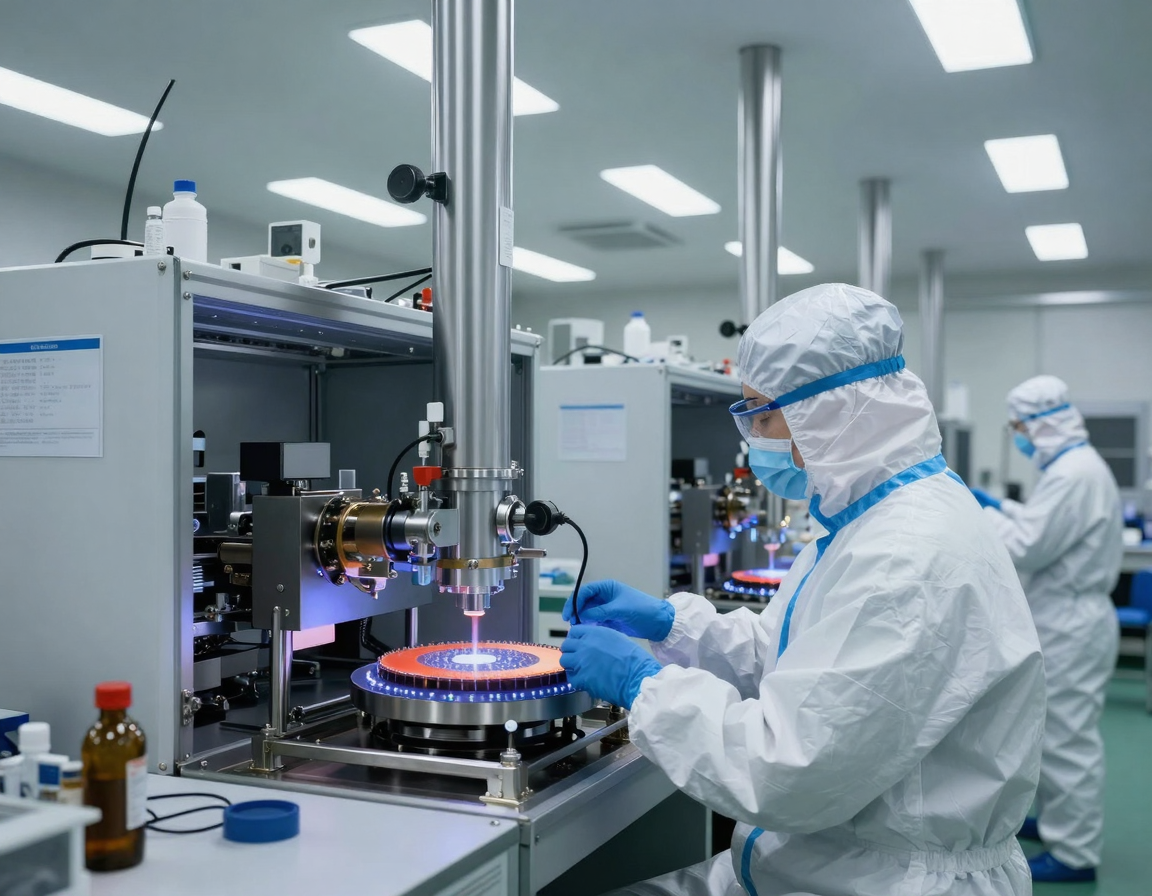
Market growth forecasts underscore 2026 momentum. The overall foundries market targets $224.81 billion by 2030 at 4.3% CAGR, with 2025 valuations at $222.6 billion growing to $351.4 billion by 2034 at 5.2% CAGR. Foundry services see 16-20% revenue jumps in 2025 from advanced node utilization, extending into 2026 via automotive and infrastructure. Next-generation foundry chemicals hit $3.7 billion in 2026, fueled by EV lightweighting. These projections highlight steady expansion in ferrous and nonferrous segments.
3)
Key drivers include automotive evolution consuming 60% of aluminum castings and 15% iron for heavy machinery, with EVs accelerating demand for thin-walled castings via advanced chemicals reducing defects by 30%. Infrastructure re-shoring and programs boost aluminum HPDC and precision iron, while AI integration in semiconductors fills capacities. Industrialization in emerging markets, like India’s 26 million vehicle production in 2023, amplifies casting needs.
4)
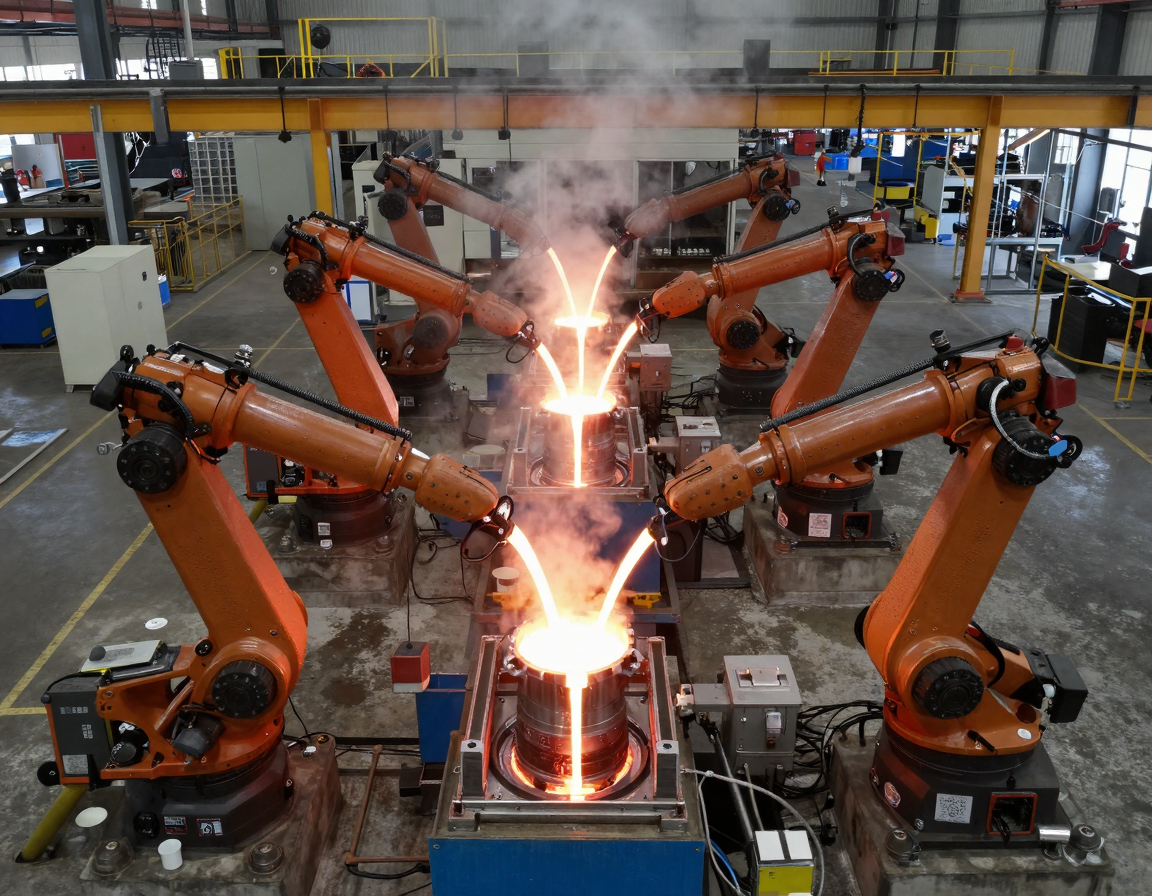
Technological synergies define efficiency gains. AI for real-time melt analysis cuts energy use by 8%, cobots handle 12% of large foundry grinding, and 3D sand printing boosts speeds 50% while slashing waste 60%. Additive manufacturing enables complex geometries for automotive alloys, and Industry 4.0 trends like IoT and smart sensors track molds to 0.1°C precision. Ultrasonic refinement lifts tensile strength 10%, positioning tech adopters for 2026 outperformance.
5)
Sustainability imperatives shape sector timing. Recycled scrap comprises 85% of iron foundry inputs, bio-based binders cut VOCs 40%, and green initiatives target 20% energy reduction by 2030. Water-based coatings and 95% sand recycling align with circular models, attracting eco-focused capital as solar provides 5% energy in benchmark foundries. U.S. investors note re-shoring via power deals like Alcoa’s smelter restart.
6)
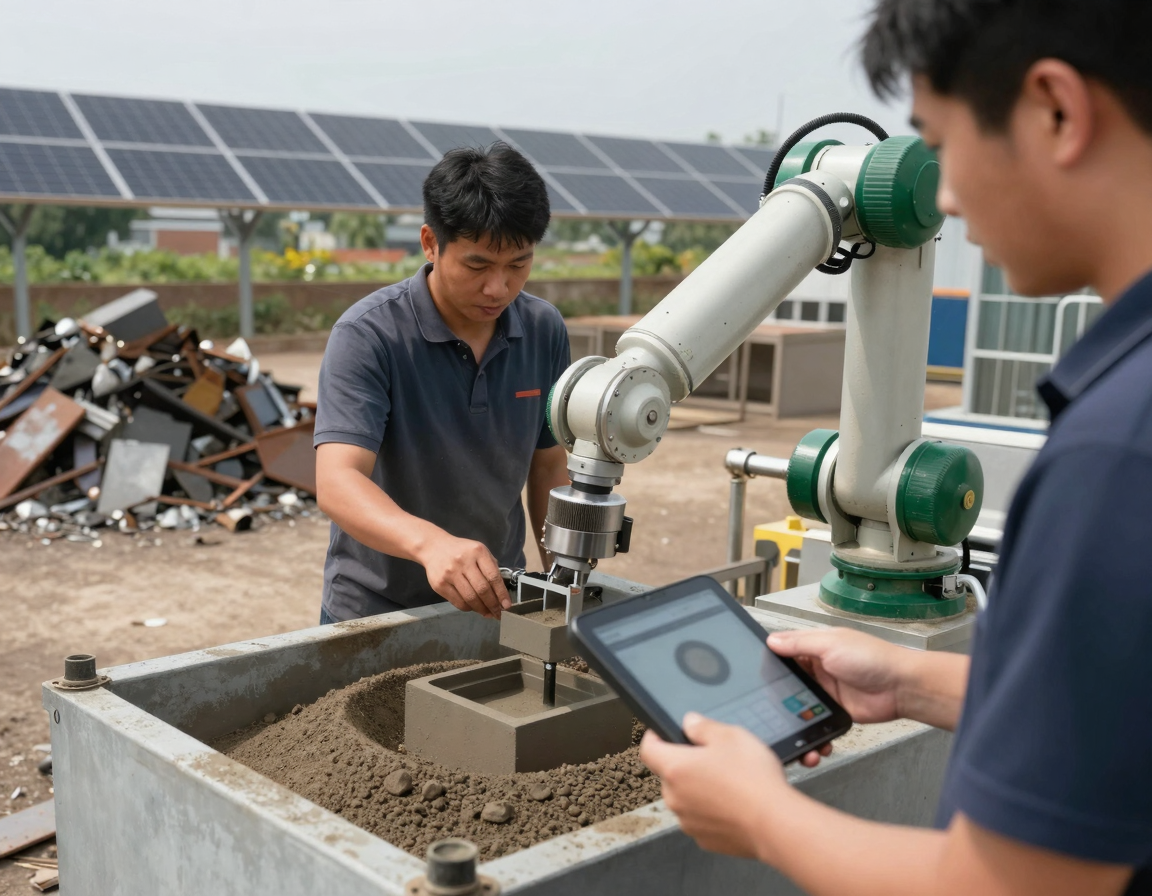
Investment timing signals emerge from polarization. Enter advanced semiconductor foundries on full utilization and AI-driven hikes; monitor 8-inch tightness versus mature node weakness. For metals, time nonferrous expansions in aluminum/magnesium for EV/infrastructure at 4-5% CAGR, favoring integrated operations. Watch outsourcing to specialized players and green tech premiums amid 5% overall CAGR to 2032.
How to Apply This in Practice
Practical Checklist for U.S. Investors:
1. Track semiconductor capacity reports for advanced node utilization above 90% as buy signals for leaders like TSMC equivalents.
2. Monitor EV production data; 20% aluminum die casting uplift per vehicle flags nonferrous foundry entries.
3. Assess tech adoption: Prioritize firms with AI melt analysis (8% energy savings) or 3D printing (60% waste reduction).
4. Evaluate sustainability metrics: Target recyclers using 85% scrap and bio-binders for regulatory edge.
5. Review quarterly revenue: 16-20% growth in services signals 2026 strength.
6. Diversify: Balance semis (AI growth) with metals (4.3% CAGR to 2030).
7. Check infrastructure bills for U.S. re-shoring boosts in HPDC.
Risk Note
Foundry investments face risks from energy costs (15-20% of ops), stringent emissions regulations, and polarized demand—mature nodes weaken amid consumer softness. Supply chain disruptions, labor gaps despite robotics, and geopolitical tensions in raw materials could pressure margins; diversify and monitor utilization below 70% as caution flags.