The U.S. dollar’s performance has long influenced equity returns, but 2026 brings heightened volatility for retail investors. After a 9-10% decline in the DXY index during 2025, as noted by U.S. Bank and Morningstar, the dollar continued sliding into early 2026, down 0.7% through February 4 to a four-year low. This weakness boosted returns for U.S. investors holding foreign assets by enhancing currency conversion gains. Yet, forecasts diverge: Morgan Stanley sees DXY dipping to 94 in Q2 before rebounding to 100 by year-end, while others like Investing.com target EUR/USD at 1.22 amid Fed cuts and U.S. risks. Retail investors must track dollar strength against U.S. equity returns to navigate these shifts effectively.
1) The Dollar’s 2025-2026 Decline and Equity Boost
The DXY fell nearly 10% through September 2025 per Morningstar, driven by fiscal concerns like the ‘Big Beautiful Bill,’ eroding U.S. growth premium, and tariff uncertainty. U.S. Bank reports a further 0.7% drop into early 2026, helping foreign stocks outperform U.S. ones. A weaker dollar lifts multinational U.S. firms’ overseas revenues when repatriated and makes exports competitive, supporting S&P 500 gains. YouTube market updates from January 26, 2026, noted U.S. stocks rising as the dollar weakened and precious metals rallied, illustrating this inverse dynamic.
2) DXY Index: Core Metric for Dollar Strength

The DXY, measuring the dollar against a basket including EUR, JPY, GBP, CAD, SEK, and CHF, is the benchmark retail investors should monitor daily. Morgan Stanley pegs it at around 100 currently, forecasting a Q2 2026 low of 94—the lowest since 2021—before a rebound. GoMarkets highlights its 10%+ 2025 drop tied to 200-day moving averages, rate differentials, QT halt, trade risks, and safe-haven shifts. Tracking DXY via free tools like Investing.com reveals correlations: a less negative three-month DXY-S&P 500 link at -0.25 signals reduced safe-haven status but cyclical patterns, per Investing.com analysis.
3) Safe-Haven Status: Cyclical vs. Structural Weakness
Investing.com charts show the dollar losing safe-haven appeal versus 2024, with Bloomberg dollar index correlations to U.S. stocks and 10Y yields less negative. Yet, it’s not structural: foreign ownership of U.S. securities hit 20.2% by Sep-2025, the highest in a decade, supporting cyclical weakness. Julius Baer notes early 2025 volatility didn’t spur dollar gains, but 2026 U.S. growth and rates exceeding peers could restore it, akin to Trump’s first term post-10% drop.
4) Fed Policy and Rate Differentials Driving Returns
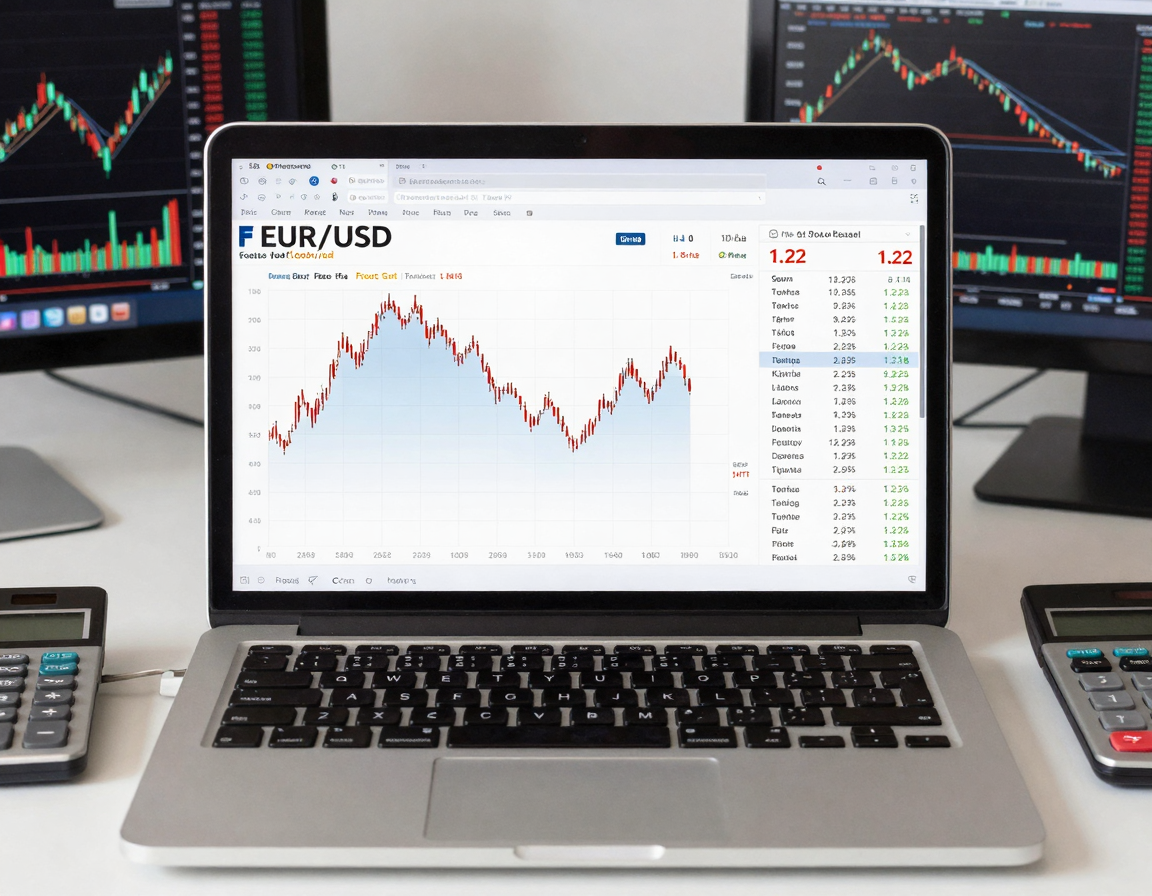
Fed actions are pivotal. The Fed cut 75bps in 2025, with markets eyeing 50bps more in 2026 per GoMarkets. Morgan Stanley expects cuts to 3%-3.25% by June amid slowing growth and Core PCE easing to 2.6%. Dot plot shifts—from one to two cuts—could boost risk assets. Investing.com anticipates a 50bps Fed cut versus unchanged ECB, narrowing hedging costs and lifting EUR/USD to 1.22. A dovish SEP supports equities via lower discounts on tech earnings, countering dollar strength.
5) Multinational Earnings and Global Capital Flows
Stronger dollars hurt S&P 500 multinationals, as overseas sales yield fewer dollars, per U.S. Bank. 2025 weakness reversed this, aiding earnings. Morningstar flags rising hedging of U.S. exposures reversing ‘exceptionalism’ confidence. Resilient foreign holdings at 20.2% suggest no major selloff, keeping dollar dips cyclical. Morgan Stanley predicts H2 2026 dollar support from growth rebound, fiscal stimulus, and reduced carry trades as rates rise.
6) 2026 Forecasts: Downside Risks to Year-End Rebound

Consensus tilts bearish medium-term: Morgan Stanley’s DXY to 94 then 100; Investing.com’s EUR/USD 1.22 on U.S. slowdown, eurozone strength, equity valuations, fiscal/political risks pre-midterms. Upside later from 1.8% U.S. growth, Fed cycle end, hedging shifts. MarketPulse notes early 2026 strength defying bears via economic resilience and Fed independence, urging vigilance on these swings for equity positioning.
How to Apply This in Practice
- Monitor DXY Daily: Use apps like TradingView; set alerts at 94 (bearish) and 100 (rebound).
- Track Fed Dot Plots: Check FOMC meetings for 2026 cut projections—two+ cuts favor equities over dollar.
- Watch EUR/USD: Target 1.22 signals dollar weakness; pair with S&P 500 for inverse plays.
- Review Multinational Earnings: Focus on S&P 500 firms with >40% foreign revenue; weaker dollar boosts EPS.
- Hedge Currency Exposure: Consider ETFs like UUP (dollar bull) or FXE (euro) for 10-20% portfolio tilt.
- Diversify Globally: Allocate 20-30% to international stocks; 2025-2026 weakness amplified returns.
- Correlate with Yields/Stocks: Negative DXY-S&P link under -0.25 flags safe-haven revival, equity caution.
This checklist equips retail investors to link dollar strength to equity returns dynamically.
Risk Note
Past performance doesn’t guarantee future results. Dollar forecasts like DXY to 94 or EUR/USD 1.22 carry uncertainties from policy shifts, geopolitics, or growth surprises. Currency volatility can amplify losses; consult advisors and diversify to manage risks.