In a soft-landing scenario, where U.S. economic growth stabilizes around 2% real GDP with inflation normalizing to 2%, bond investors should prioritize short-to-intermediate duration ETFs to benefit from expected yield curve steepening and rangebound 10-year Treasury yields between 3.5% and 4.5%. This strategy leverages favorable bond market conditions from Fed rate cuts amid resilient growth, favoring the short end of the curve over long-duration exposure.
1) Understanding the Soft-Landing Scenario
A soft landing refers to the Federal Reserve achieving inflation control without triggering a recession, supported by strong labor supply, productivity growth, and real consumer income stability from wage gains and falling prices. Markets price in rate cuts, but without major growth scares, the 10-year U.S. Treasury yield is likely to remain rangebound at 3.5%-4.5%, creating a consolidation phase for bonds rather than sharp rallies. Historical precedents, like the 1995 cycle, show soft landings with GDP growth of 2-3%, stable unemployment near 5%, and inflation below 3%, enabling Fed easing while risk assets perform well.
2) Yield Curve Dynamics in Soft Landing

Brandywine Global anticipates U.S. yield curve steepening in a soft-landing environment, as the Fed eases with declining inflation and sustained growth, pushing short-end yields lower relative to longer maturities. This steepening favors positioning in the short to intermediate curve segments, where investors capture higher starting yields with less price volatility. Nominal GDP growth around 4% aligns with a 3-3.5% federal funds rate and 4-4.5% 10-year yields, reinforcing rangebound long-end behavior. In 2026, resilient growth and fiscal policy point to corporate bonds outperforming Treasuries amid increased long-dated supply.
3) Why Duration Matters for Bond ETFs
Duration measures a bond ETF’s sensitivity to interest rate changes; shorter durations (under 3 years) reduce volatility in uncertain environments like potential tariff impacts or political risks threatening soft landing. In rangebound yield scenarios, short-duration funds offer reliable income, with examples like NBSD providing a 5.39% 30-day SEC yield and 1.88-year average duration as of early 2025. Extending duration has been fleeting, with floating rate notes outperforming longer bonds amid rate uncertainty. For diversification, core ETFs like Vanguard BND (0.03% fee, $149B AUM) anchor portfolios, enabling tactical duration adjustments.
4) Recommended Duration Positioning

Favor overweight short-to-intermediate U.S. and U.K. duration, underweight eurozone and Japan, reflecting U.S. fiscal stimulus unwind and growth convergence. Attractive opportunities include U.S. agency MBS with tight spreads versus Treasuries, performing well in low volatility, and select emerging market bonds like Mexican government debt for superior nominal/real yields. High-yield bonds show consistency across soft or hard landings, delivering 12% annualized returns in soft scenarios due to starting yields and fundamentals. Target ETFs with durations of 1-5 years for steepening curve benefits.
5) Top Bond ETFs for This Strategy
Vanguard Total Bond Market ETF (BND) serves as a low-cost core holding (0.03% expense ratio) for broad exposure, ideal for reducing portfolio volatility against equity drawdowns. For short-duration income, funds like NBSD offer 5.39% yields with 1.88-year duration, minimizing credit and rate risks through diversification. Tactical satellites include intermediate Treasury ETFs (5-7 year maturities) for precise duration management and municipal bond ETFs like VTEB for tax efficiency. Corporate and high-yield tilts benefit from growth-supported low defaults in resilient economies.
6) 2026 Outlook and Tactical Adjustments
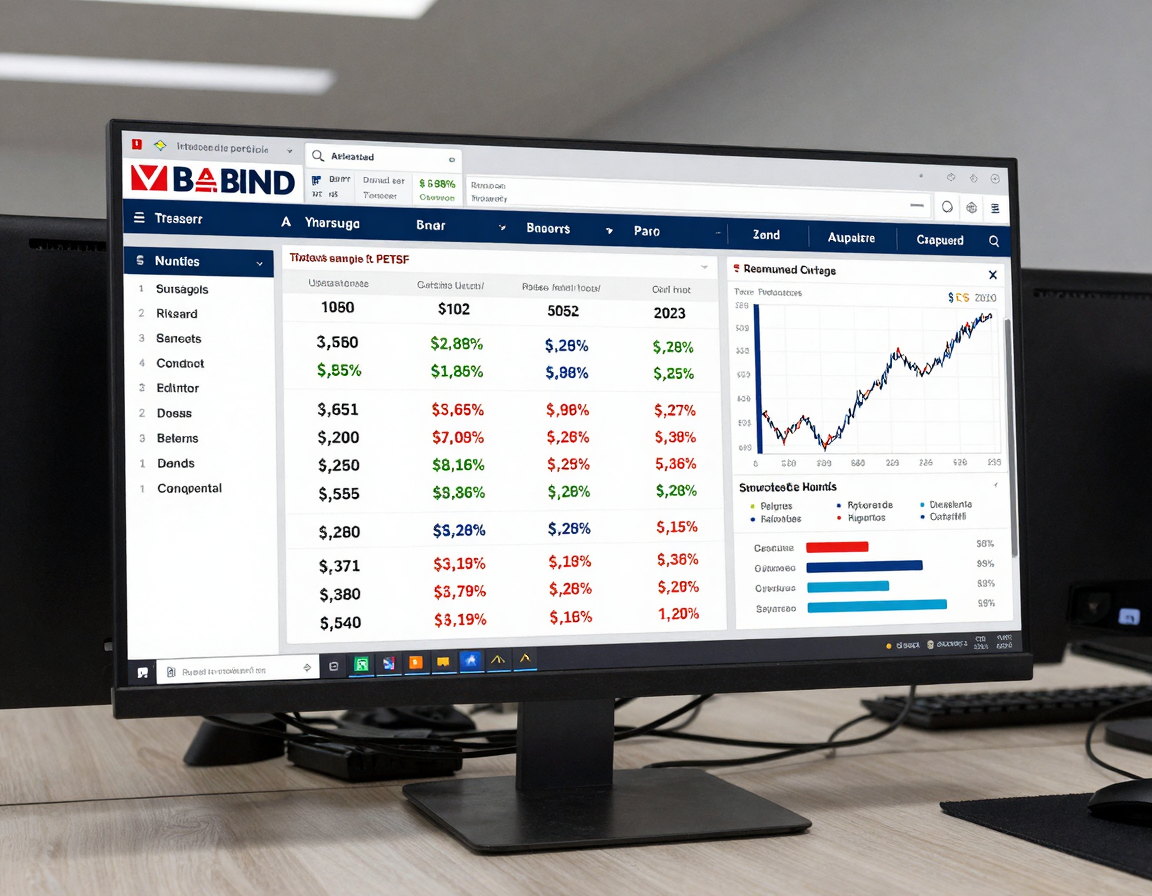
Expect steady income-driven returns in 2026 with limited price appreciation, as Fed cuts taper to one or two, winding down the easing cycle. Monitor policy deviations, inflation, and spreads to shift toward corporates over Treasuries, given fiscal spending pressures on long yields. Curve and cross-country positions, like U.K. duration or Latin American EM bonds, offer relative value amid consolidation. Bonds remain compelling versus equities for allocation, buffering volatility in soft-landing resilience.
How to Apply This in Practice
- Assess your portfolio’s current duration; aim for 1-5 years average by allocating 40-60% to core BND-like ETFs.
- Add 20-30% short-duration funds (e.g., 1-2 year Treasuries or NBSD equivalents) for income stability.
- Incorporate 10-20% satellites: agency MBS or EM bonds for yield pickup.
- Rebalance quarterly, tracking 10-year yields vs. 2-year for steepening signals.
- Use low-cost ETFs to minimize fees, targeting net yields above 4-5%.
- Pair with 40-60% equities for diversification, using bonds to dampen drawdowns.
Risk Note
While short-to-intermediate duration reduces rate risk, unexpected inflation spikes, fewer Fed cuts, or growth slowdowns could flatten the curve or widen spreads, pressuring prices. High-yield and EM bonds carry credit risk, though mitigated by strong fundamentals. Political uncertainties like tariffs may disrupt soft landing, increasing volatility; diversify and monitor Fed signals closely. Past performance does not guarantee future results; consult a financial advisor.