The AI infrastructure sector is poised for explosive growth in 2026, with hyperscalers like Amazon, Google, and Meta planning nearly $700 billion in data center capital expenditures alone, driven by surging demand for compute power to train and deploy advanced models.
Nvidia CEO Jensen Huang forecasts $3-4 trillion in total AI infrastructure spending by decade’s end, straining power grids and supply chains while creating investment avenues in semiconductors, energy, and real estate. U.S. investors face a high-reward landscape tempered by energy bottlenecks and regulatory hurdles.
1)
Hyperscalers’ capex projections for 2026 underscore the scale of the AI buildout. Amazon leads with $200 billion planned, up from $131 billion in 2025, followed by Google at $175-185 billion (from $91 billion) and Meta at $115-135 billion (from $71 billion).
Goldman Sachs Research pegs consensus estimates at $527 billion for AI hyperscalers, with potential upside to $700 billion to match historical tech boom peaks as a share of GDP. Analyst forecasts have repeatedly underestimated spending, as Q3 2025 capex hit $106 billion, up 75% year-over-year.
This surge reflects AI’s shift from pilots to industrial-scale deployment, with Morgan Stanley estimating $2.9 trillion in global data center construction through 2028, over 80% still ahead.
2)
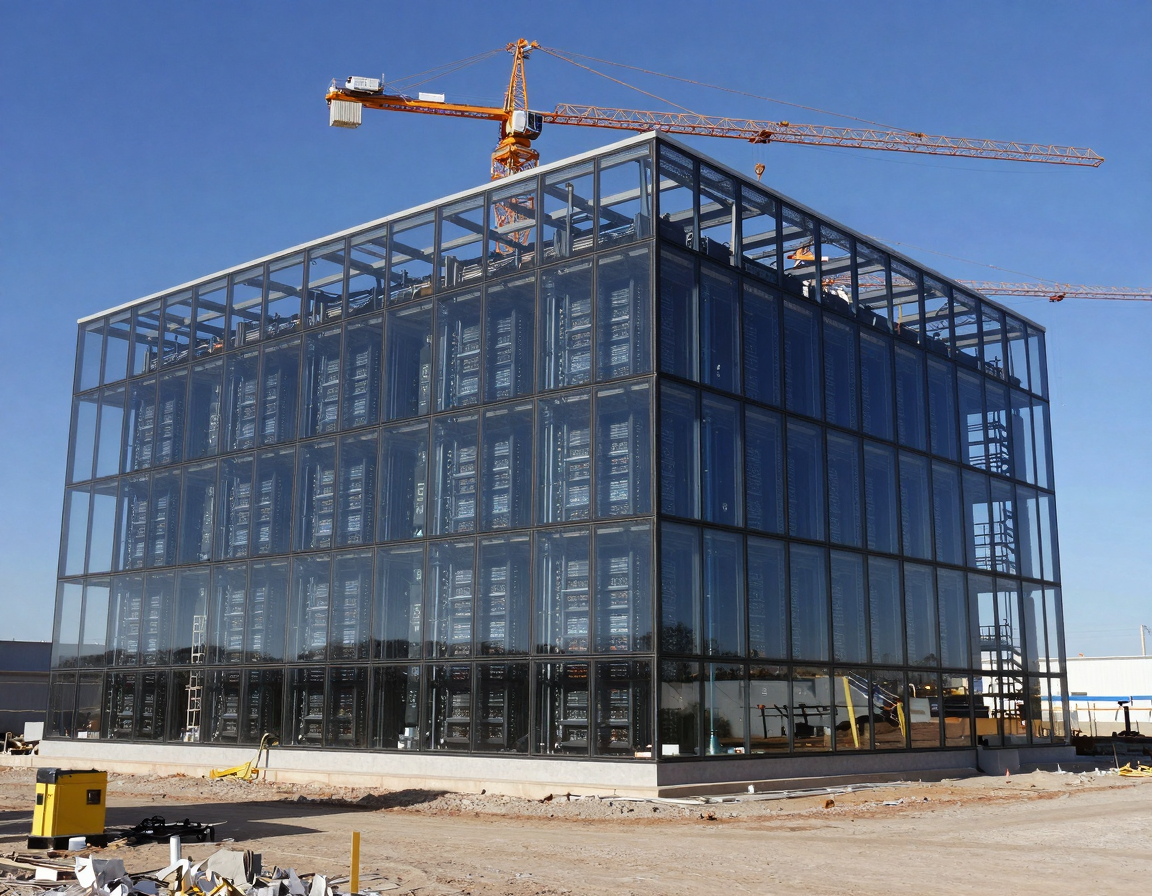
Major projects highlight the frenzy. The Stargate initiative, announced by President Trump with SoftBank, OpenAI, and Oracle, commits $500 billion to U.S. AI infrastructure, dubbed the largest such project in history by its backers.
OpenAI secured a $100 billion Nvidia investment in GPUs for data centers, plus deals with Oracle and AMD, moving beyond exclusive Microsoft reliance. Meta’s Hyperion site in Louisiana, a 2,250-acre facility costing $10 billion, will deliver 5 gigawatts powered by a local nuclear plant; Prometheus in Ohio follows in 2026 using natural gas.
These billion-dollar deals from OpenAI, Oracle, Nvidia, Microsoft, Google, and Meta are reshaping U.S. landscapes, with Meta planning $600 billion through 2028.
3)
AI infrastructure touches every sector, offering U.S. investors diversified entry points. Semiconductors like Nvidia benefit from GPU demand, with equity gains concentrated in infrastructure plays returning 44% year-to-date per Goldman Sachs.
Power companies and utilities gain from data center electrification; the boom now spans rare earth minerals, energy infrastructure, and data-center REITs. Hyperscalers’ strong balance sheets support sustained spending, with investors rotating toward AI platforms and productivity beneficiaries.
Goldman Sachs anticipates capex growth slowing to 25% by end-2026, but historical cycles suggest room for more, potentially lifting industrial output and contributing ~25% to U.S. GDP growth.
4)
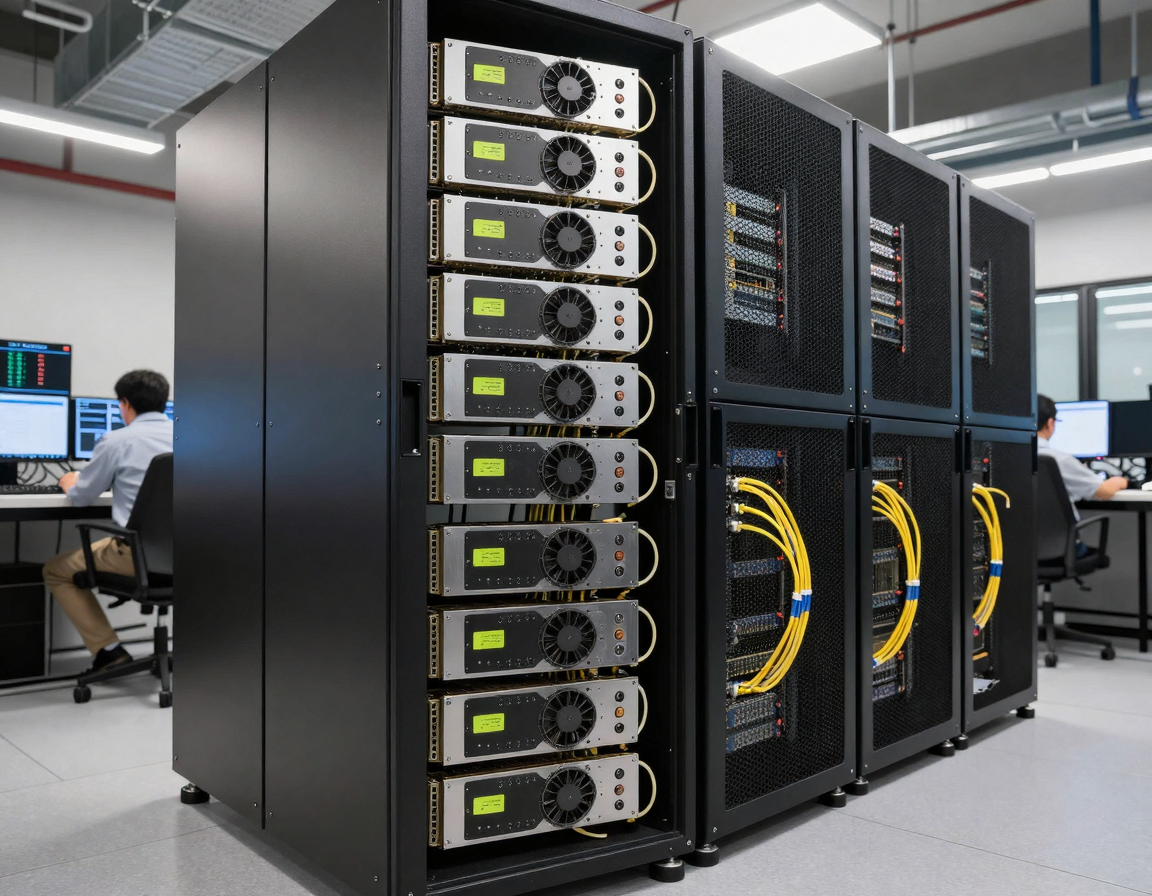
By end-2026, at least 50 AI-native businesses could hit $250 million ARR, fueling enterprise infrastructure demand. Trends include advanced cooling in hybrid data centers, regulatory scrutiny on cloud computing, and supply chain diversification.
S&P Global forecasts 5-10% infrastructure spending growth, with more funds for AI and data centers amid higher risk tolerances. Fidelity notes AI’s reach into nearly every U.S. market sector.
5)
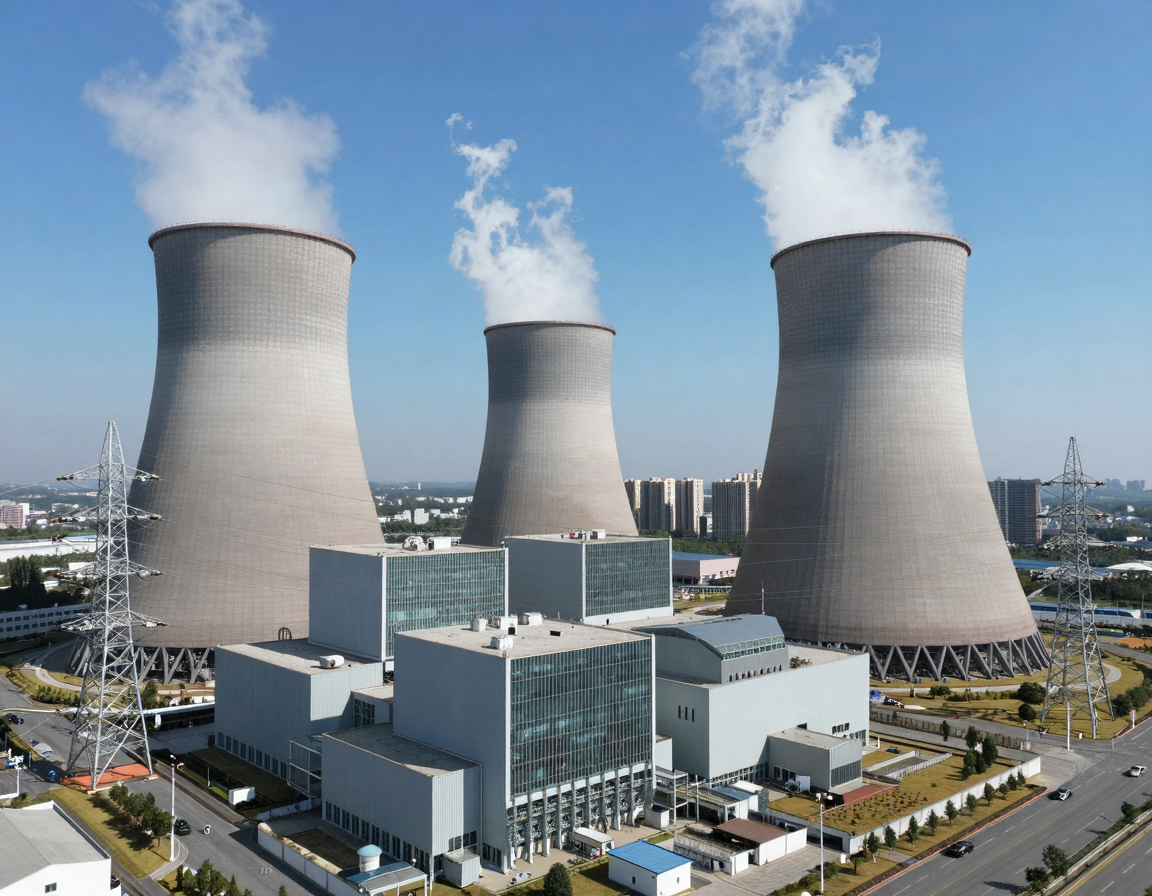
Power demand poses the biggest risk, with data centers set to double energy use by 2030 and 245 gigawatts of U.S. capacity in development. Physical limits and political pushback over electricity costs could slow deployments in 2026.
Supply bottlenecks for GPUs and components, plus grid strain, may cap growth despite cash-rich hyperscalers; investor selectivity is rising, penalizing debt-funded capex without earnings growth. Analyst estimates lag reality, heightening valuation risks if spending plateaus.
6)
U.S. investors should prioritize companies with proven AI revenue, like Nvidia and hyperscalers, alongside energy providers and REITs tied to data centers. Monitor capex revisions upward, as seen in 2025, and productivity gains from adoption to sustain valuations.
Rotate into next-wave beneficiaries like AI platforms, per Goldman Sachs, while tracking Stargate and Meta projects for regional opportunities.
How to Apply This in Practice
- Assess portfolio exposure: Allocate 10-20% to AI infrastructure ETFs or stocks in semis (e.g., Nvidia), power (utilities with data center contracts), and REITs (data center-focused).
- Track capex reports: Follow quarterly earnings from Amazon, Google, Meta for upward revisions signaling strength.
- Diversify risks: Balance with AI software/application plays less capex-dependent.
- Monitor power metrics: Watch U.S. grid upgrades and nuclear deals like Meta’s Hyperion.
- Set exit thresholds: Trim if capex growth slows below 25% or power constraints halt projects.
- Regional focus: Invest in Louisiana/Ohio REITs or funds tied to Stargate states.
Risk Note
AI infrastructure investments carry high volatility; capex could underwhelm if supply chains falter or energy costs spark regulation, pressuring valuations as seen in recent stock rotations away from debt-heavy spenders. Past performance does not guarantee future results—consult a financial advisor.