U.S. election cycles, including presidential and midterm elections, have historically influenced stock market performance, sector rotation, and risk assets through heightened volatility and policy uncertainty. Data from multiple analyses show modestly lower S&P 500 returns in presidential election years but stronger post-election gains, with notable shifts in sector leadership and increased cross-sector dispersion.
1)
Presidential election years typically exhibit lower average and median S&P 500 total returns compared to non-election years and the long-term average over the past 96 years. For instance, returns are modestly lower in calendar election years, though the market often sees higher returns in the pre-election runup, followed by weaker performance in the 1-, 6-, and 12-month post-election periods. This pattern may stem from a higher likelihood of recessions in the year following elections, with 54% of post-election 12-month periods overlapping NBER-defined recessions, far exceeding rates in other presidential years.
2)
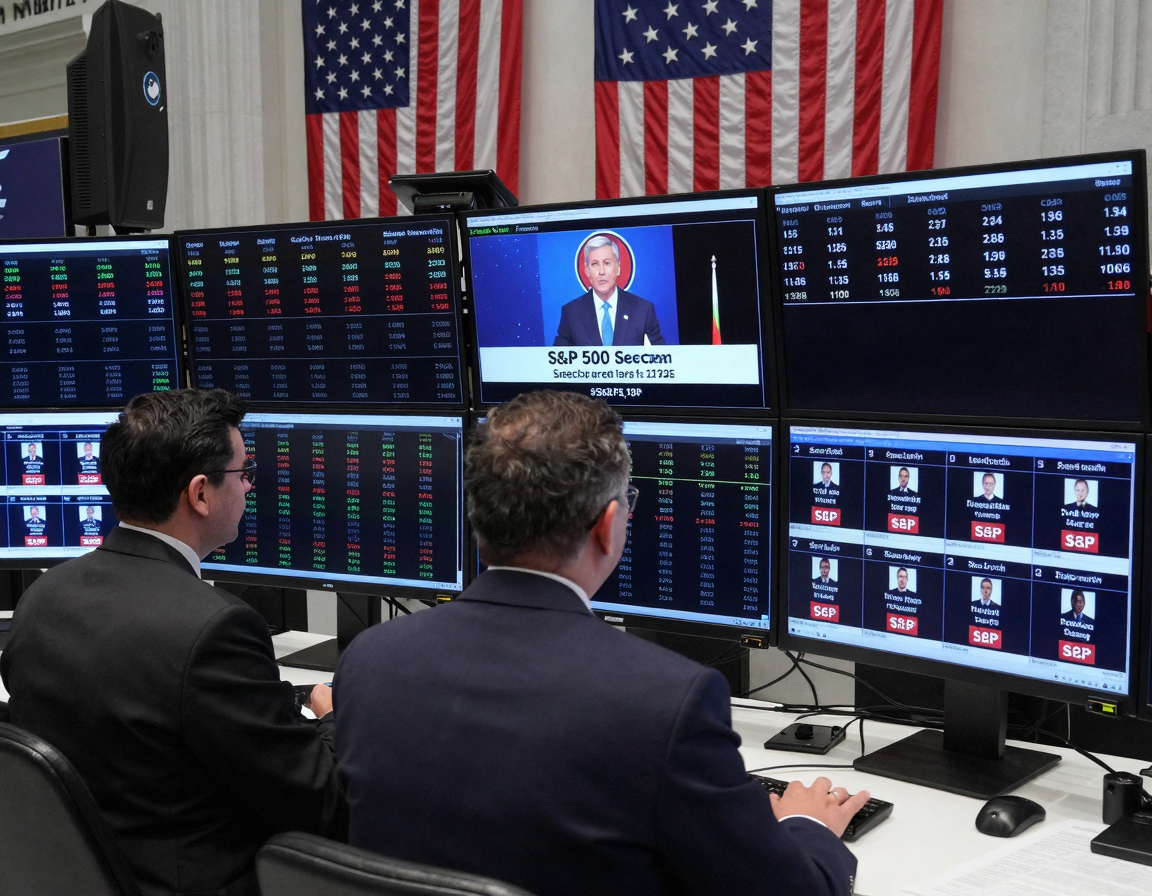
Sector rotation accelerates during U.S. elections due to greater-than-average cross-sector effects in the S&P 500, observed in 71% of presidential election Novembers compared to 47% of non-election Novembers and 44% of other months. Presidential and congressional election months show heightened sector dispersion, particularly in mid- and small-cap stocks where congressional elections amplify effects. Investors rotate toward sectors perceived as resilient to policy shifts, such as defensives pre-election and cyclicals post-election.
3)
Congressional control plays a key role in post-election market performance, with the S&P 500 historically delivering better returns in years after presidential elections when Congress is fully controlled by the president’s party or divided. Markets underperform when the opposition controls both houses, potentially due to stalled economic measures, though double-digit returns persist even in these scenarios.
4)

Midterm elections, occurring every two years, often precede weaker stock performance leading up to the vote, followed by stronger gains afterward. This mirrors presidential cycles but with distinct volatility patterns, as midterm outcomes influence the remaining presidential term and policy gridlock. Sector rotation in midterms favors areas like infrastructure or deregulation-sensitive industries based on expected Congressional shifts.
5)
Market volatility rises significantly in the lead-up to elections, peaking one to three months before voting day in presidential cycles, regardless of outcome. Post-election, volatility declines, leading to higher average returns in the 3-month period after elections compared to pre-election, driven by reduced uncertainty. When incumbents lose, pre-election volatility spikes highest, reflecting policy change fears. Risk assets like equities experience amplified swings, with the first year of a new presidency often yielding the strongest returns in the four-year cycle.
6)

While Democratic presidents have overseen stronger stock performance historically, this correlates more with inheriting healthier economies than party affiliation. Incumbent party retention influences volatility: wins lead to declining pre-election volatility, while losses heighten it. Overall, election outcomes shape sector flows indirectly via economic policy expectations, but long-term fundamentals drive returns.
How to Apply This in Practice
Practical Checklist for U.S. Investors:
1. Monitor volatility spikes 1-3 months pre-election and consider increasing cash or defensive sectors like utilities and healthcare.
2. Rebalance portfolios more frequently during high-volatility election periods to capture sector rotation opportunities.
3. Post-election, tilt toward cyclicals and risk assets in the first year of a new term, anticipating policy-driven rallies.
4. Assess Congressional control: Favor unified or divided government scenarios for broader market upside.
5. Focus on economic indicators over polls, as recession risks post-election warrant caution on leveraged risk assets.
6. Diversify across sectors to mitigate cross-sector dispersion in election Novembers.
7. Avoid major position changes based on election outcomes; prioritize fundamentals for long-term holding.