Recurrent anemia, often due to iron deficiency (ID), can be effectively managed by optimizing iron intake through evidence-based dosing, timing, and monitoring strategies. Oral iron remains the first-line treatment for most cases, with adjustments to prevent repetition and improve absorption.
1) Understanding Recurrent Iron Deficiency Anemia
Iron deficiency anemia (IDA) recurs when iron stores deplete faster than replenishment, often from poor absorption, ongoing blood loss, or suboptimal supplementation. Guidelines recommend oral iron as initial therapy for uncomplicated ID, but recurrence risk rises without addressing root causes like hepcidin-mediated absorption blocks after frequent dosing. Studies show traditional daily high-dose iron (100-200 mg elemental iron) triggers hepcidin spikes lasting 48 hours, reducing subsequent absorption. Optimizing intake focuses on lower, less frequent doses to maximize fractional iron uptake and minimize gastrointestinal side effects like nausea or constipation, which affect compliance.
2) Optimal Oral Iron Dosing Schedules

For recurrent IDA, shift from daily high doses to alternate-day or lower single doses of 40-80 mg elemental iron. A randomized trial found 60 mg twice daily equivalent to 120 mg alternate days in hemoglobin (Hb) gains, with fewer nausea reports. Administer on an empty stomach for best absorption, avoiding antacids that impair uptake. Continue until Hb normalizes (6-12 weeks), then extend 3 months to rebuild stores targeting ferritin above 100 µg/L. This approach counters hepcidin elevation, enhancing efficacy for repeat episodes.
3) Enhancing Iron Absorption Naturally
Avoid vitamin C co-administration, as large RCTs show no hematological benefit or side effect reduction. Pair iron with heme sources like lean meats for better uptake, as non-heme iron from plants absorbs poorly without enhancers. Limit inhibitors: separate doses from tea, coffee, dairy, or high-fiber foods by 2 hours. Every-other-day dosing inherently boosts absorption by allowing hepcidin reset. For women with menstrual losses, consistent low-dose regimens prevent depletion cycles.
4) When to Consider Intravenous Iron
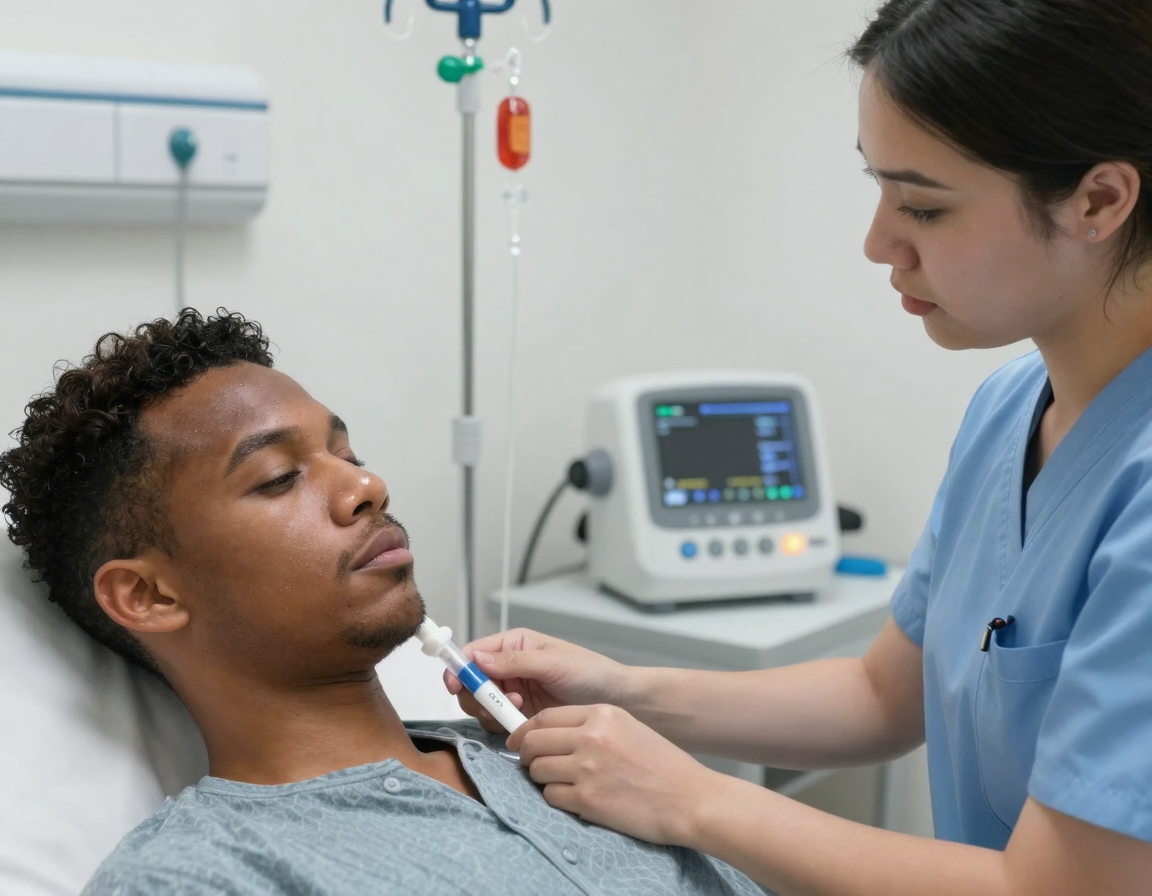
Switch to IV iron for moderate-severe anemia (Hb <10 g/dL), poor oral response, intolerance, or malabsorption (e.g., celiac, IBD). IV bypasses gut issues, rapidly elevates ferritin and Hb, reducing recurrence. Formulations like ferric carboxymaltose allow high single doses (up to 750 mg), minimizing sessions. Use in chronic kidney disease, heart failure, or perioperative needs even without anemia. Monitor transferrin saturation (<50%) to avoid overload.
5) Monitoring Response and Preventing Recurrence
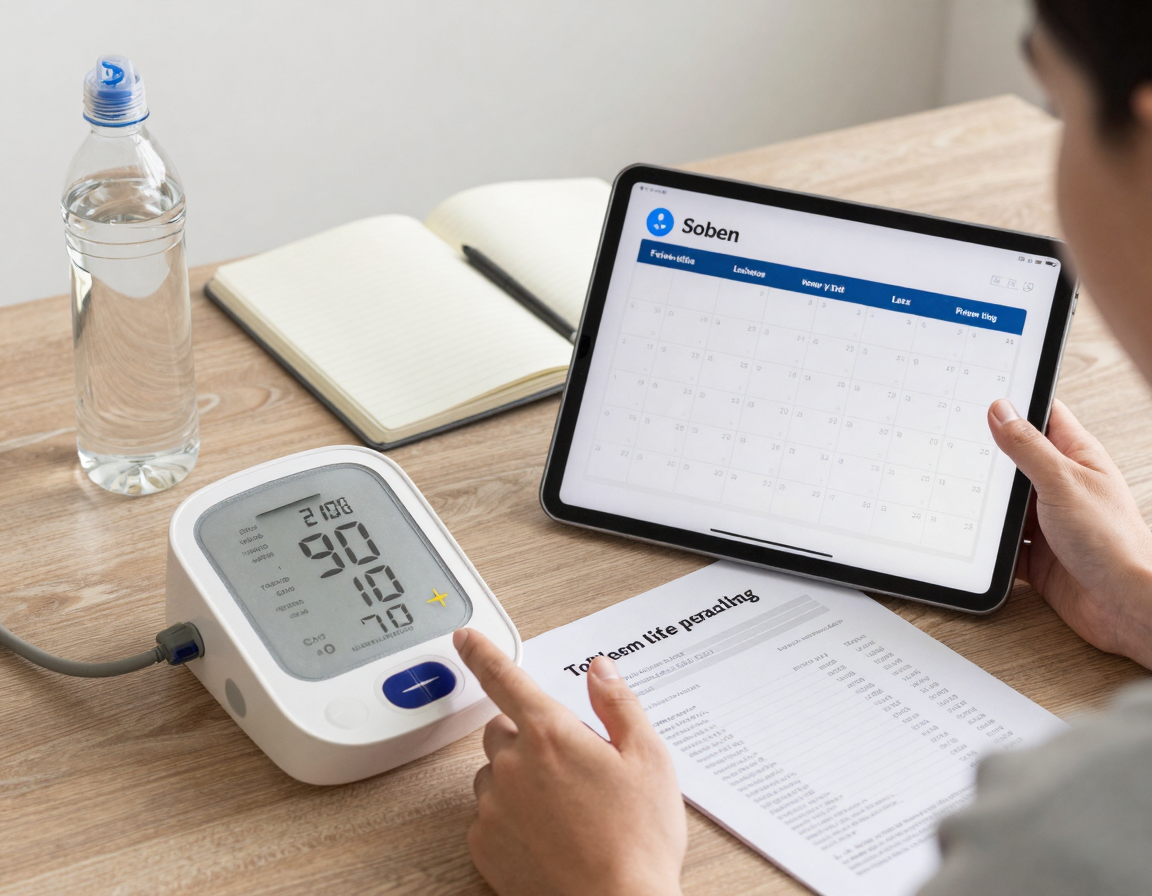
Expect Hb rise of 20 g/L or to normal within 4 weeks; 2 g/dL increase by 4-8 weeks signals good response. Check Hb every 3 months for first year, then 6 months. Ferritin tracks stores but lacks routine monitoring data; aim >100 µg/L post-therapy. Persistent low Hb despite IV warrants gastrointestinal evaluation for occult bleeding. Lifestyle integration sustains gains, curbing repeats.
6) Dietary and Lifestyle Integration
Incorporate iron-rich foods: red meat, poultry, fish (heme, 15-35% absorption); lentils, spinach, fortified cereals (non-heme, 2-20%). Alternate supplement days with high-iron meals. Address causes: treat heavy periods, screen for GI losses in high-risk (age >50, family cancer history). Exercise moderately to boost erythropoiesis; maintain hydration. Supplements alone insufficient without cause management.
How to Apply This in Practice
Practical Checklist for Optimized Iron Intake:
Daily/Alternate Day Routine:
- Take 40-80 mg elemental iron (e.g., ferrous sulfate) every other day, empty stomach, morning.
- Wait 2 hours before coffee/tea/dairy.
- Pair non-supplement days with heme-rich meal (e.g., beef stir-fry with peppers).
Weekly Monitoring:
- Track symptoms: fatigue, pallor; log doses in app.
- Weigh food portions for iron estimates (apps like Cronometer).
- Hydrate 2-3L daily to aid absorption.
Monthly Checks:
- Lab Hb/ferritin at 4 weeks; adjust if no 20 g/L rise.
- Review menses/bleeding; consult if heavy.
- Assess GI tolerance; switch formulations if needed.
Quarterly Prevention:
- Full blood panel every 3 months year 1.
- GI consult if no response or risk factors.
- Reassess diet; aim 18 mg/day women, 8 mg men via food + supps.
Risk Note
Excess iron risks overload (transferrin saturation >50%), organ damage; monitor closely with IV. Oral side effects common but manageable with low-dose alternate schedule. Self-treatment without diagnosis dangerous; consult physician for labs, underlying causes (e.g., cancer, CKD). Not for anemia of chronic disease; pregnant/children dosing differs. Seek immediate care for severe symptoms or no response.