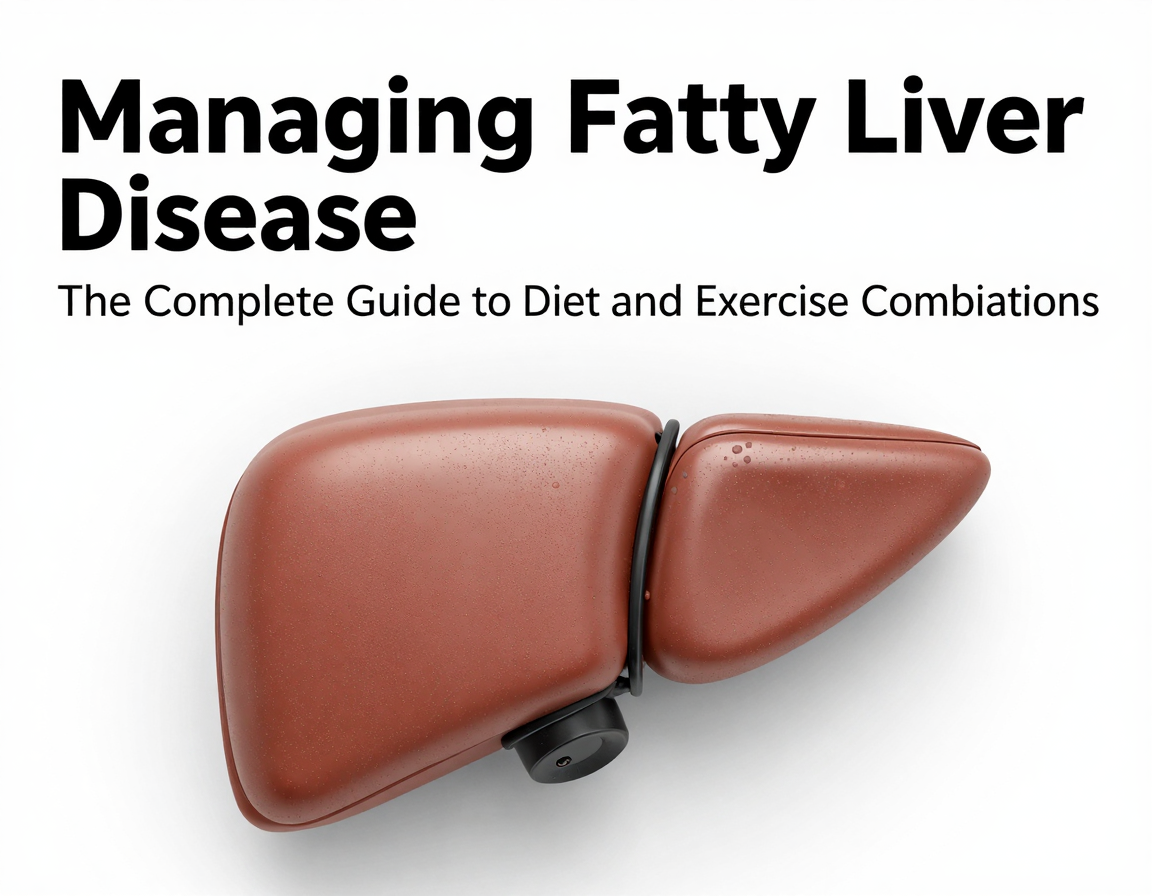
1) Understanding Fatty Liver Disease and Why Diet and Exercise Matter
Non-alcoholic fatty liver disease (NAFLD) develops when fat accumulates in liver cells without significant alcohol consumption. This condition can progress silently to cirrhosis and liver cancer if left unmanaged. The good news is that fatty liver disease is largely reversible through lifestyle modifications, particularly when diet and exercise are combined strategically.
Weight loss is the most important treatment strategy for fatty liver disease. Research shows that reducing caloric intake while increasing physical activity not only decreases liver fat accumulation but also suppresses inflammation and fibrosis progression within the liver. The combination of dietary changes and exercise produces superior results compared to either intervention alone.
2) The Mediterranean Diet: The Gold Standard for Liver Health
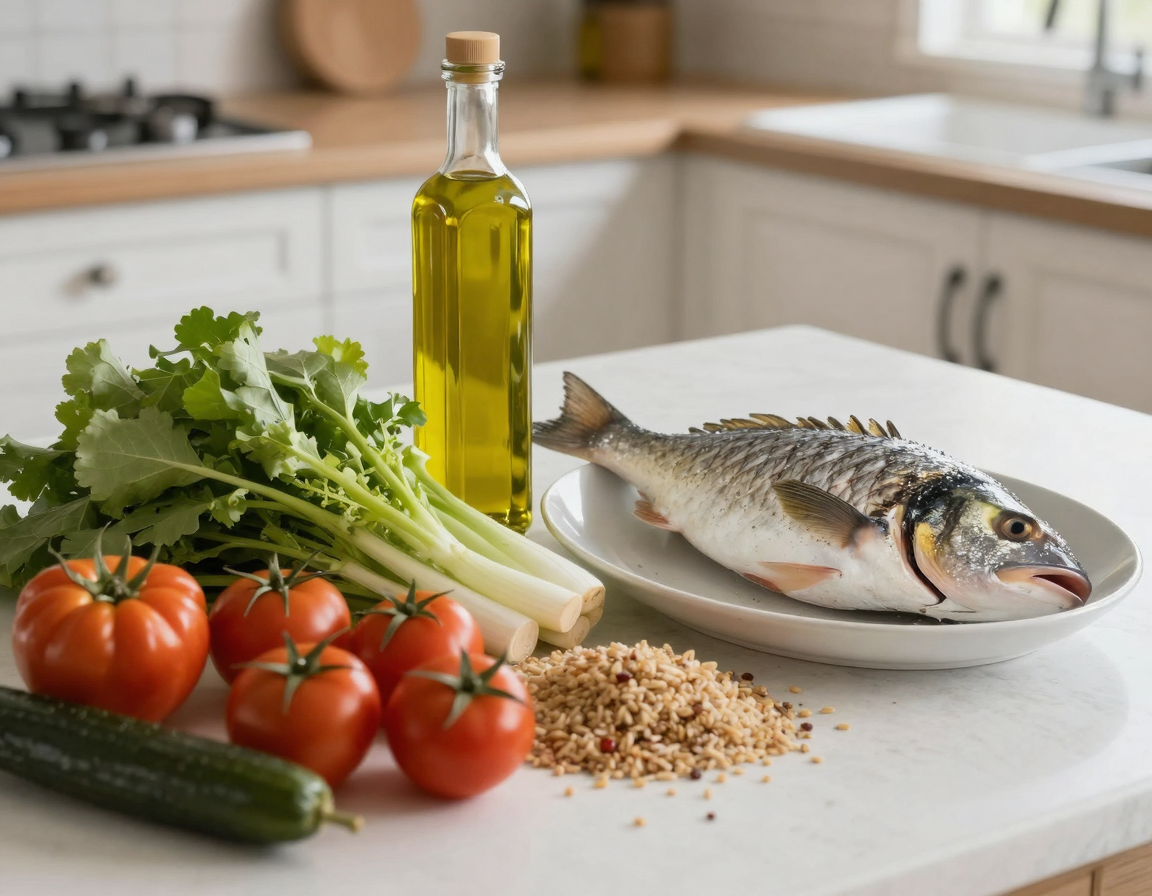
Liver specialists strongly recommend the Mediterranean diet as the primary dietary approach for managing fatty liver disease. This eating pattern emphasizes fruits, vegetables, whole grains, fish, and olive oil while limiting processed foods and refined carbohydrates.
The recommended daily intake includes: vegetables in generous amounts, 2-3 servings of fruit daily, 1-3 servings of nuts and legumes daily, fish and poultry up to 2 servings per day, and 1-2 servings of dairy or calcium supplements daily. This approach provides essential nutrients while supporting liver function and overall metabolic health.
Avoid foods that worsen fatty liver disease, including white bread, white rice, pastries, noodles, fried foods, sugary beverages, and excessive oils. These foods contribute to rapid blood sugar spikes and increased liver fat storage. Instead, focus on whole grains, lean proteins, and foods rich in fiber and antioxidants.
3) Caloric Reduction: The Quantifiable Path to Liver Fat Loss
Reducing total daily caloric intake is essential for reversing fatty liver disease. Specialists recommend decreasing your current caloric consumption by 500-1000 calories daily. This translates to a target intake of no more than 1500 calories per day for men and 1200 calories per day for women.
When total caloric intake is restricted, the accumulated fat within the liver decreases measurably, and the progression of liver inflammation and fibrosis is suppressed. Even without significant weight loss, caloric reduction alone can improve liver function. The goal is to lose 1-2 kilograms per month, which represents a sustainable and medically appropriate rate of weight loss.
Focus on reducing simple sugars and refined carbohydrates, as these are particularly damaging to liver health. Limiting sugary drinks, snacks, ice cream, and processed foods helps reduce excessive fructose intake, which directly contributes to fatty liver development.
4) Aerobic Exercise: Building the Foundation of Liver Recovery

Aerobic exercise is crucial for managing fatty liver disease because it directly helps burn accumulated liver fat. The recommended exercise protocol includes aerobic activities performed at least 3-5 times per week for 30-60 minutes per session, continued for at least 6 weeks to see measurable improvements.
Moderate-intensity aerobic exercise is most effective. This intensity level is defined as exercise during which you can speak but cannot sing—such as brisk walking, jogging, swimming, or cycling. This level of exertion increases energy expenditure while remaining sustainable for long-term adherence.
Research demonstrates that exercise improves the histological problems within liver tissue, reduces cardiovascular disease risk, and enhances weight loss outcomes. As exercise intensity and duration increase, the degree of weight loss also increases proportionally. Even for individuals with limited fitness levels or heart conditions, simply increasing daily walking and reducing sedentary time produces measurable improvements in fatty liver disease.
5) Resistance Training: Preserving Muscle While Losing Fat
Combining aerobic exercise with resistance training produces superior results compared to aerobic exercise alone. Resistance training helps preserve and build muscle mass during weight loss, which maintains metabolic rate and improves overall body composition.
Resistance training should be performed alongside aerobic exercise as part of a comprehensive fitness program. This combination approach ensures that weight loss comes primarily from fat reduction rather than muscle loss, which is particularly important for maintaining long-term results and preventing metabolic slowdown.
The ideal program includes moderate-intensity aerobic exercise for 1.5-2 hours per session, performed at least twice weekly for 6 weeks or longer, combined with regular resistance training. This comprehensive approach addresses both the metabolic and structural aspects of fatty liver disease.
6) Long-Term Success: Maintaining Results Through Consistent Habits
Maintaining weight loss over the long term requires combining exercise therapy with dietary modifications. Short-term changes produce short-term results; sustainable improvement in fatty liver disease requires sustained lifestyle changes.
The most effective approach involves establishing consistent daily habits: regular aerobic exercise performed multiple times weekly, adherence to the Mediterranean-style diet, continued caloric awareness, and avoidance of alcohol. These habits should become permanent lifestyle features rather than temporary interventions.
Proper walking technique is important when using walking as your primary exercise. Maintaining correct posture and consistency matters as much as duration. For individuals unable to commit to structured exercise programs, simply reducing sedentary time throughout the day—by standing during phone calls, walking to meetings, using chairs without armrests, and walking to meals—provides measurable health benefits.
How to Apply This in Practice
Week 1-2: Assessment and Planning
Calculate your current daily caloric intake and identify which foods to eliminate or reduce. Choose 2-3 aerobic activities you enjoy. Consult with a healthcare provider before beginning any new exercise program.
Week 3-4: Implementation
Begin reducing calories by 500 daily. Start aerobic exercise 3 times weekly for 30 minutes. Replace refined carbohydrates with whole grains. Increase vegetable intake at each meal.
Week 5-8: Building Consistency
Increase aerobic exercise to 4-5 times weekly. Add resistance training 2 times weekly. Establish a regular meal schedule. Track weight weekly but focus on consistency rather than rapid results.
Week 9+: Maintenance and Monitoring
Maintain the established exercise routine and dietary pattern. Aim for 1-2 kg monthly weight loss. Plan for 6 months of consistent effort before expecting significant liver function improvements. Consider periodic check-ups to monitor liver enzyme levels.
Daily Checklist:
• Consumed vegetables at multiple meals
• Ate 2-3 servings of fruit
• Included lean protein at each meal
• Performed 30-60 minutes of aerobic exercise or increased daily movement
• Stayed within caloric target
• Avoided sugary beverages and fried foods
• Drank adequate water
Risk Note
While fatty liver disease is reversible through lifestyle modification, untreated disease can progress to cirrhosis, liver failure, and hepatocellular carcinoma. If you have been diagnosed with fatty liver disease, work closely with a healthcare provider or hepatologist to monitor your progress. Regular liver function tests help confirm that your dietary and exercise interventions are producing measurable improvements. Some individuals may require additional medical interventions beyond lifestyle changes. Do not delay seeking professional medical evaluation if you experience symptoms such as abdominal pain, jaundice, or persistent fatigue. The strategies outlined in this article are most effective when implemented early in disease progression and maintained consistently over months and years.