
1) Understanding Uric Acid and Gout Risk
When uric acid levels become elevated in your blood—a condition called hyperuricemia—you face increased risk of developing gout, a painful form of arthritis, and kidney stones. Uric acid is produced when your body breaks down purines, compounds found naturally in foods and produced during normal metabolism. A low-purine diet can help manage this condition by reducing the raw materials your liver uses to produce uric acid, while simultaneously supporting your kidneys’ ability to excrete excess uric acid through urine.
The good news is that dietary changes alone can significantly impact uric acid levels. Research shows that people with hyperuricemia who haven’t yet developed gout can prevent the disease through diet, while those already experiencing gout attacks can reduce their frequency and severity. The key is understanding which foods raise uric acid and which actively help lower it.
2) Plant-Based Proteins and Legumes: Your Foundation
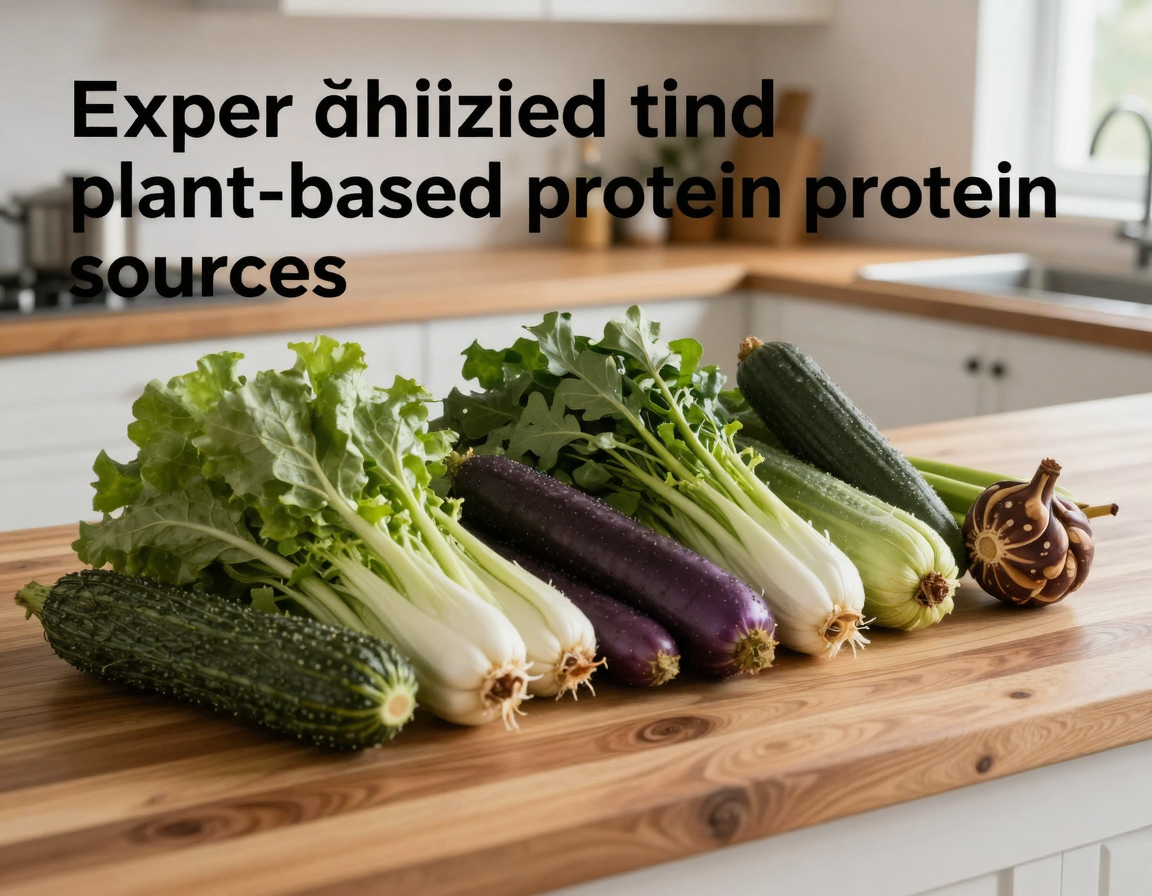
Plant-based proteins should form the cornerstone of your gout prevention diet. Unlike animal proteins, plant-based options do not increase uric acid levels and may even protect you from gout attacks. Legumes including lentils, beans, soybeans, and tofu are all safe choices that provide essential nutrients without raising uric acid. Peas are another excellent option that combines protein with fiber benefits.
Eggs and low-fat or nonfat dairy products are also acceptable protein sources. Skim milk deserves special attention because early research suggests it may help reduce uric acid levels by speeding up uric acid excretion in urine and reducing your body’s inflammatory response to uric acid crystals in your joints. Greek yogurt and cottage cheese made from low-fat milk provide protein while supporting your gout management goals.
When you do consume meat or seafood, keep portions small—approximately 2.5 ounces or 75 grams per serving—and vary your protein sources to avoid consistently high-purine options.
3) The DASH and Mediterranean Dietary Patterns
Two evidence-based dietary approaches have demonstrated significant success in managing uric acid levels: the DASH diet (Dietary Approaches to Stop Hypertension) and the Mediterranean diet. Both emphasize plant-based components including fruits, vegetables, legumes, and whole grains while reducing total and saturated fats.
Research consistently shows that the DASH diet can continuously lower serum uric acid in hyperuricemia patients and reduce gout incidence. The Mediterranean diet produces similar uric acid-lowering effects. When the DASH diet is combined with adequate sodium management and plant-derived protein sources, the benefits for reducing uric acid levels become even more pronounced.
These dietary patterns work by providing abundant fiber, which regulates gastrointestinal health and reshapes your gut microbiota. The beneficial metabolites produced when your microbiota digest dietary fiber help regulate inflammation and reduce uric acid production—both critical for gout management.
4) Fruits, Vegetables, and Vitamin C Foods

All fruits are generally safe for gout management, with some offering specific benefits. Cherries and cherry juice have shown promise in reducing gout attacks and improving pain through their anti-inflammatory properties and potential uric acid-lowering effects. While these findings aren’t conclusive, there’s no harm in adding cherries to your regular diet.
Vitamin C plays an important role in lowering uric acid levels. Aim for at least 500 milligrams of vitamin C daily from food sources. Citrus fruits including grapefruit, oranges, and pineapples are high in vitamin C but lower in fructose, making them ideal choices. Strawberries combine high vitamin C content with lower fructose levels. Other vitamin C-rich options include peppers and tomatoes.
Regarding vegetables, all varieties are acceptable, including potatoes, mushrooms, eggplants, and dark green leafy vegetables. However, some vegetables contain moderate purine levels—specifically asparagus, cauliflower, mushrooms, and spinach. During acute gout flare-ups, limit these to one-half cup daily. The benefits of eating vegetables far outweigh any purine concerns, as vegetables have not been shown to negatively affect gout symptoms.
5) Foods and Beverages to Limit or Avoid
Certain foods significantly raise uric acid and should be limited or eliminated. Organ meats including liver, kidney, and sweetbreads have the highest purine content and should be avoided. Red meat should be limited, and specific seafood varieties—anchovies, herring, mackerel, salmon, sardines, scallops, shrimp, and tuna—are high in purines and should be consumed sparingly if at all.
Alcohol, particularly beer, causes uric acid to accumulate in your body. If you don’t currently drink alcohol, don’t start. If you do drink, discuss safe limits with your healthcare provider.
Sugary beverages deserve special attention. While moderate consumption of fructose-rich fruits can facilitate uric acid excretion over time, fructose-rich soft drinks and high-fructose beverages work differently. Limit fruit juices, sugary sodas, and other sweetened drinks. Similarly, avoid sugary snacks including cakes, cookies, and candy. High-fat foods including fast food, cream products, and foods containing trans fatty acids like margarine and butter should be minimized.
Yeast extracts found in frozen dinners, canned soups, and bouillon cubes can also contribute to elevated uric acid and should be avoided.
6) Hydration and Whole Grains for Optimal Results
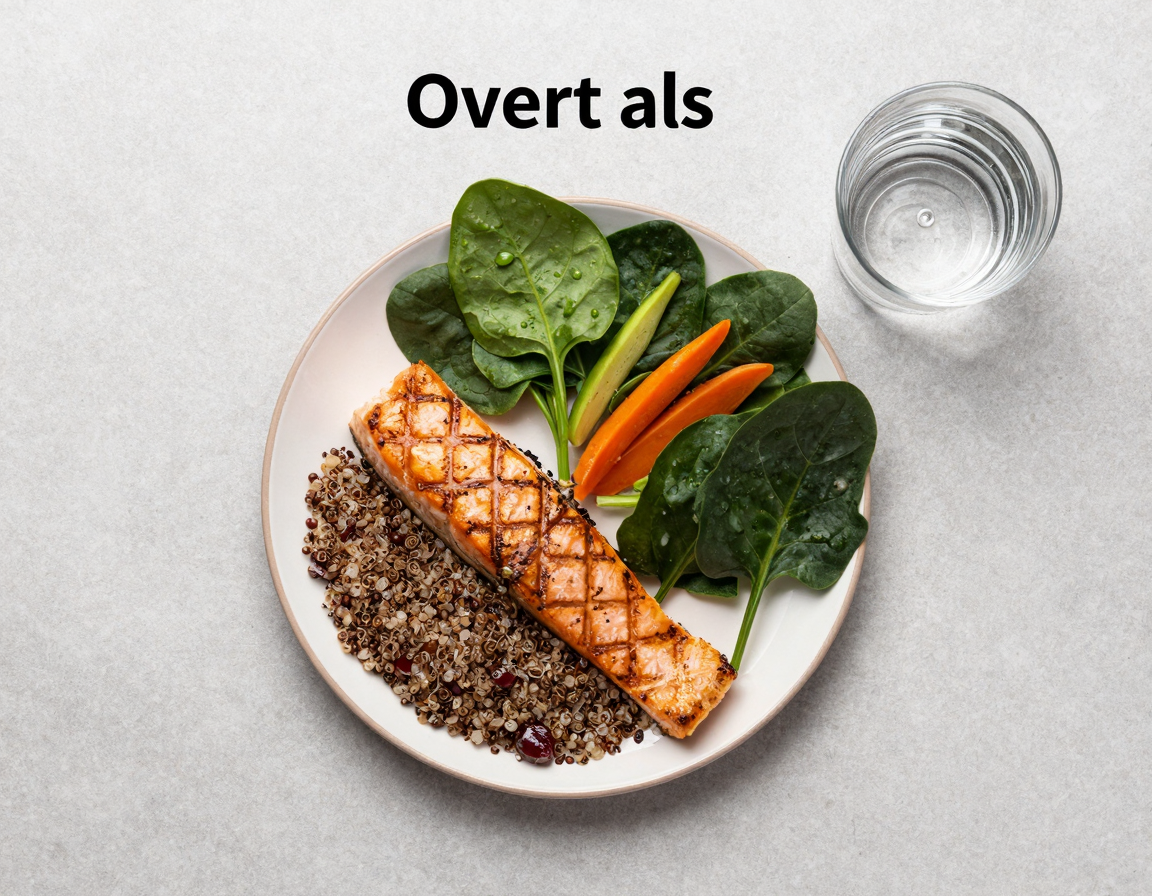
Adequate hydration is essential for gout prevention. Drinking 8 to 16 cups of fluids daily—with emphasis on water—helps your kidneys function optimally and prevents dehydration, which can trigger gout symptoms. Water is your best choice, as it supports uric acid excretion without adding calories or other problematic compounds.
Whole grains including whole-grain breads, brown rice, and whole-grain cereals provide fiber that benefits your digestive system and gut microbiota. Fiber-rich whole grains help regulate gastrointestinal homeostasis, reduce intake of unhealthy foods, and reshape your gut microbiota in ways that reduce inflammation and uric acid production.
Coffee may also offer benefits for gout prevention, though the mechanism isn’t fully understood. Some evidence suggests regular coffee consumption is associated with lower gout risk, making it a reasonable beverage choice for those who enjoy it.
How to Apply This in Practice
Daily Checklist for Gout Prevention:
✓ Drink 8-16 cups of water daily
✓ Include at least one plant-based protein source at each meal (beans, lentils, tofu, eggs, or low-fat dairy)
✓ Consume at least 500 mg of vitamin C from citrus fruits, strawberries, or peppers
✓ Fill half your plate with vegetables and whole grains
✓ Limit meat and seafood portions to 2.5 ounces per serving
✓ Avoid organ meats, high-purine seafood, and sugary beverages
✓ Choose low-fat or nonfat dairy products
✓ Include fiber-rich whole grains at most meals
✓ Consider adding cherries or cherry juice to your diet
✓ Limit alcohol consumption or eliminate it entirely
Sample Day of Eating:
Breakfast: Overnight oats made with rolled oats, Greek yogurt, low-fat milk, chia seeds, and berries
Lunch: Chickpeas and fresh vegetables in a whole wheat wrap
Snack: Citrus fruit or strawberries
Dinner: Herb-baked salmon with asparagus and cherry tomatoes, served with quinoa
Risk Note
While dietary changes are powerful tools for managing uric acid levels and preventing gout, diet alone may not be sufficient for everyone. Some individuals with severe hyperuricemia or frequent gout attacks may require medication prescribed by their healthcare provider. Additionally, certain vegetables with moderate purine content—asparagus, cauliflower, mushrooms, and spinach—may need temporary restriction during acute gout flare-ups, though they should be reintroduced once symptoms resolve.
A low-purine diet is designed to help manage hyperuricemia and its complications, but it’s also a reasonable lifestyle to adopt for general health. It reduces sugar, alcohol, and meat while emphasizing plants and alternative protein sources, providing benefits beyond uric acid reduction. Before making significant dietary changes, consult with your healthcare provider or registered dietitian to ensure the approach is appropriate for your individual health status and any medications you may be taking.