Big Tech’s projected $650 billion in AI-related capital expenditures in 2026 positions AI infrastructure as a cornerstone investment opportunity for U.S. investors, driven by surging demand for compute, data centers, and energy, though tempered by supply bottlenecks, regulatory pressures, and valuation risks.
1) The Scale of AI Infrastructure Spending in 2026
Bridgewater estimates that Alphabet, Amazon, Meta, and Microsoft could collectively invest about $650 billion in AI-related spending in 2026, reflecting demands for compute, data center capacity, and energy-intensive workloads. Goldman Sachs Research reports consensus analyst estimates for hyperscaler AI companies’ 2026 capital spending at $527 billion, up from $465 billion earlier, with potential upside to $700 billion based on historical tech cycles. This surge marks AI’s transition from experimentation to core infrastructure, reshaping economies as hyperscalers reallocate cash from buybacks to capex.
2) Key Drivers Behind the Capex Surge
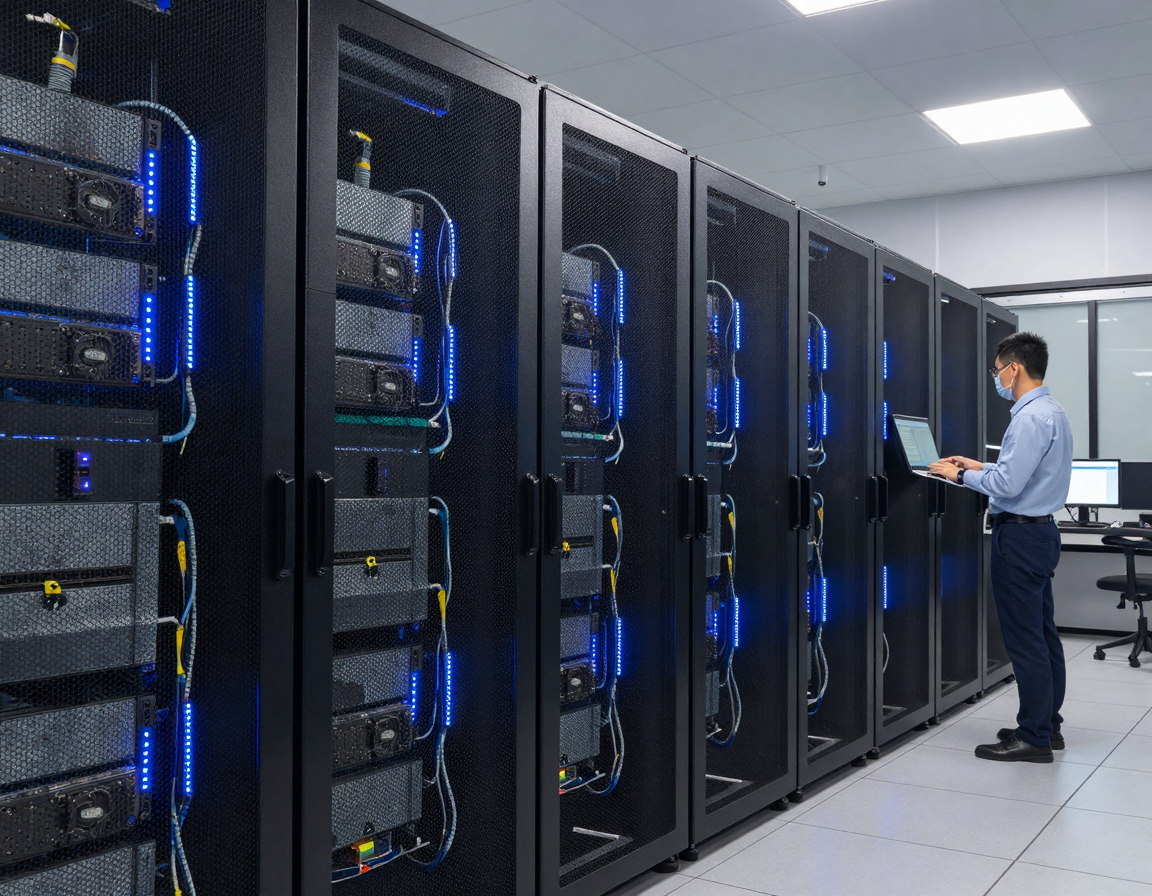
AI progress is now gated by physical infrastructure rather than ideas, with training and serving models requiring specialized chips, high-bandwidth networking, and advanced cooling systems. Hyperscalers spent $106 billion in Q3 2025 capex, growing 75% year-over-year, expected to slow to 25% by end-2026, yet still far below historical tech boom peaks relative to GDP. Investor selectivity is rising, favoring AI infrastructure firms like semiconductors and data center operators, which returned 44% year-to-date despite modest earnings growth projections.
3) Bottlenecks in Compute and Supply Chains
The real constraint is infrastructure: AI-ready data centers shift to GPU-dense facilities with industrial-scale cooling and power, elevating these to board-level issues. Supply chain challenges for chips and networking could limit deployment pace, as hyperscalers’ strong balance sheets support spending but face bottlenecks beyond cash flows. U.S. capacity in development reaches 245 gigawatts, highlighting the scale of planned expansion amid physical limits.
4) Energy Demands as the Critical Constraint
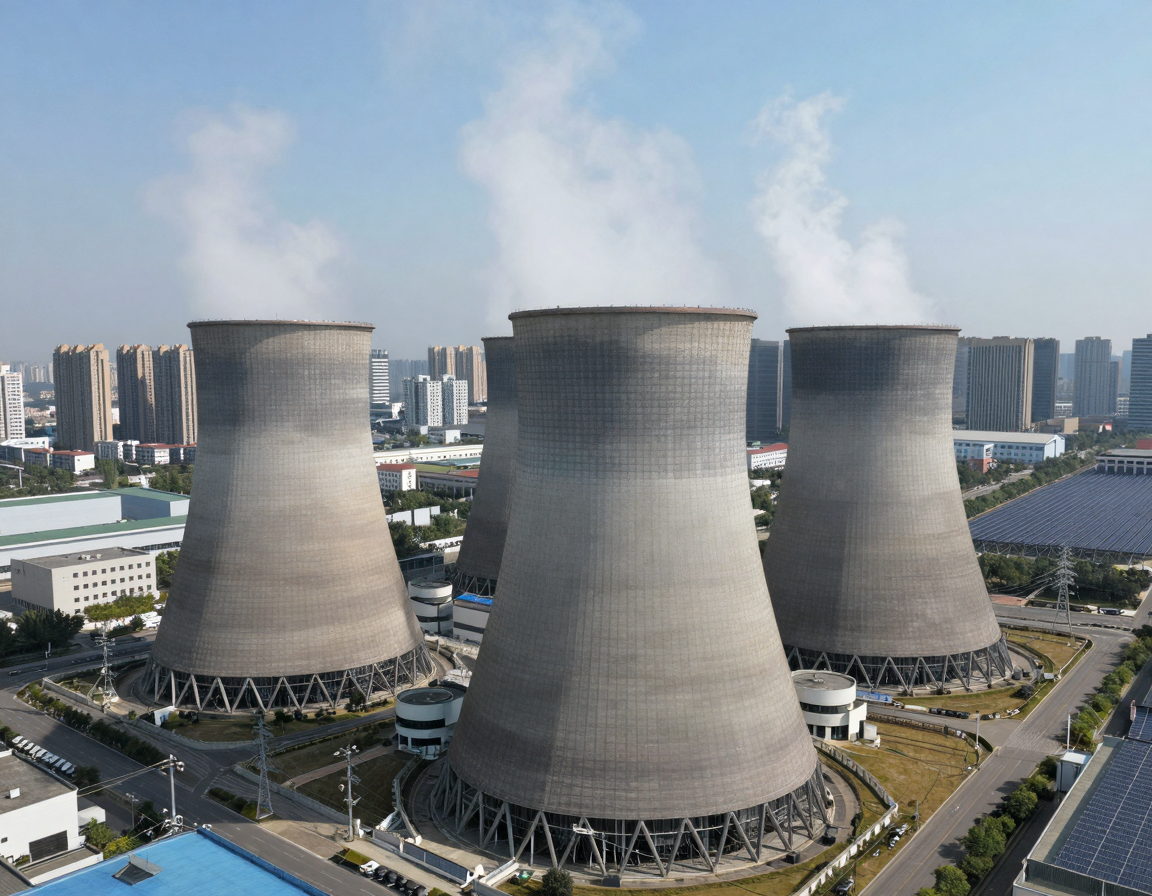
Data centers consumed 415 terawatt-hours in 2024 (1.5% of global electricity), projected to double to 945 terawatt-hours by 2030, driven by AI. In 2026, AI’s power surge collides with grid realities, with UK regulators noting data centers could demand 50 gigawatts exceeding peak needs, and U.S. political pushback over costs potentially slowing builds. Energy pricing and availability will directly impact timelines and margins for AI infrastructure investments.
5) Regulatory and Governance Shifts
As spending accelerates, regulation targets infrastructure layers: the EU AI Act imposes risk-based obligations for high-risk systems and general-purpose AI, while the U.S. NIST AI Risk Management Framework guides risk identification across design, development, and deployment. Cloud computing faces new regulatory traps, adding compliance costs for investors in AI platforms.
6) Investment Opportunities and Market Shifts
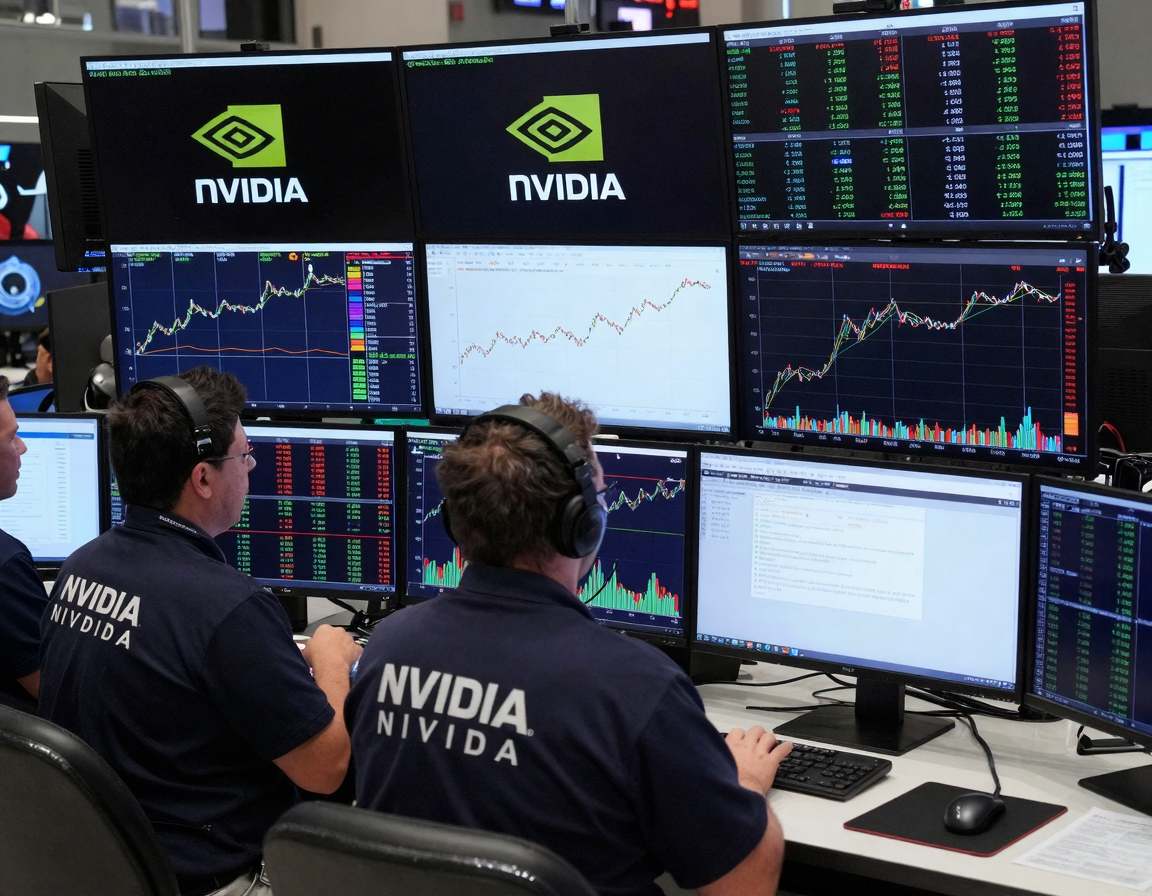
Equity gains concentrate in AI infrastructure like semiconductors, hyperscalers, hardware, and power firms, but rotation favors AI platform stocks and productivity beneficiaries with high labor cost exposure and AI automation potential. By 2026, at least 50 AI-native firms could hit $250M ARR, with $1T+ IPOs from OpenAI, Anthropic, xAI, and $50B+ software acquisitions reshaping markets. Fidelity notes AI touching all U.S. sectors from rare earths to energy and data center real estate.
How to Apply This in Practice
Practical Checklist for U.S. Investors:
Assess hyperscaler capex guidance quarterly, focusing on Alphabet, Amazon, Meta, Microsoft for upward revisions beyond $527-650B.
Evaluate energy exposure: Prioritize firms with secured power deals or renewable integrations amid 245GW U.S. pipeline.
Screen infrastructure leaders: Target semiconductors, data center REITs, and power utilities with 44% YTD gains but monitor earnings pressure.
Balance with productivity plays: Add stocks with AI automation upside where labor costs exceed 30% of sales.
Monitor regulations: Track EU AI Act compliance and NIST adoption for portfolio firms to mitigate operational risks.
Diversify beyond hyperscalers: Include AI software poised for $50B acquisitions and $1T IPO beneficiaries.
Stress-test for slowdowns: Model capex deceleration to 25% growth and supply constraints.
Risk Note
AI infrastructure investments face capex growth slowdown risks to 25% by end-2026, debt-funded spending pressuring earnings, supply bottlenecks, energy grid limits with political pushback, and regulatory scrutiny under EU AI Act and NIST frameworks; valuations in infrastructure stocks vulnerable to timing of capex peaks.