1) The Industrial Semiconductor Recovery Is Gaining Momentum
The global semiconductor industry is experiencing a sustained recovery that extends well beyond artificial intelligence applications. While AI-driven demand has captured headlines, industrial semiconductor demand is emerging as a critical growth driver that investors should monitor closely. Texas Instruments, a major supplier to industrial and automotive markets, reported that industrial demand is recovering with “a lot of room to go,” with CEO Haviv Ilan stating he expects industrial to “establish new highs in the future.” This recovery represents a significant shift from the prolonged downturn that characterized 2023-2024, and early 2026 data suggests the momentum is accelerating across multiple segments.
The recovery is being supported by easing supply chain pressures and a return to more sustained demand in key technology segments. According to Avnet Silica’s Trendliner market report for Q4 2025, semiconductor markets are beginning to stabilize after a prolonged downturn, with growth expected to return at a more predictable pace from 2026 through 2028. This stabilization is particularly important for industrial applications, which depend on consistent supply chains and predictable demand patterns.
2) Market Size and Growth Projections Point to Historic Expansion
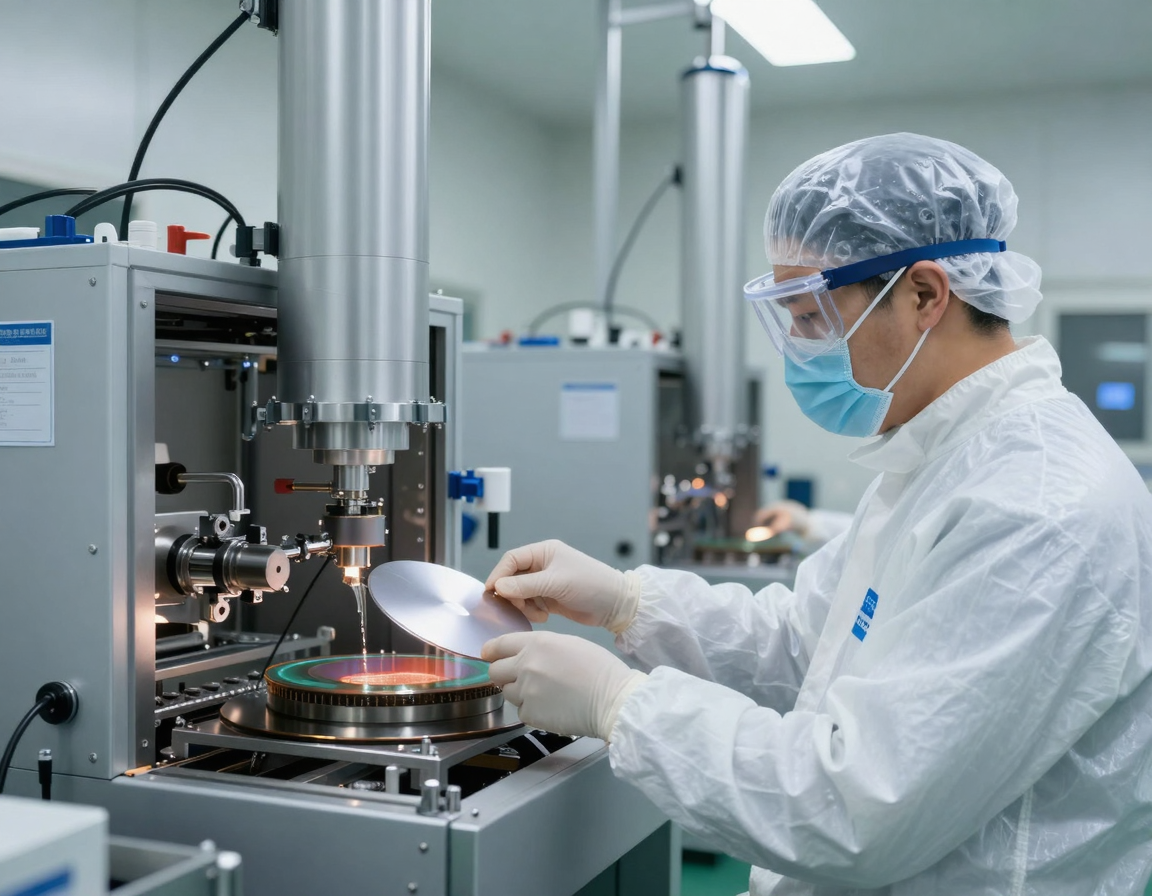
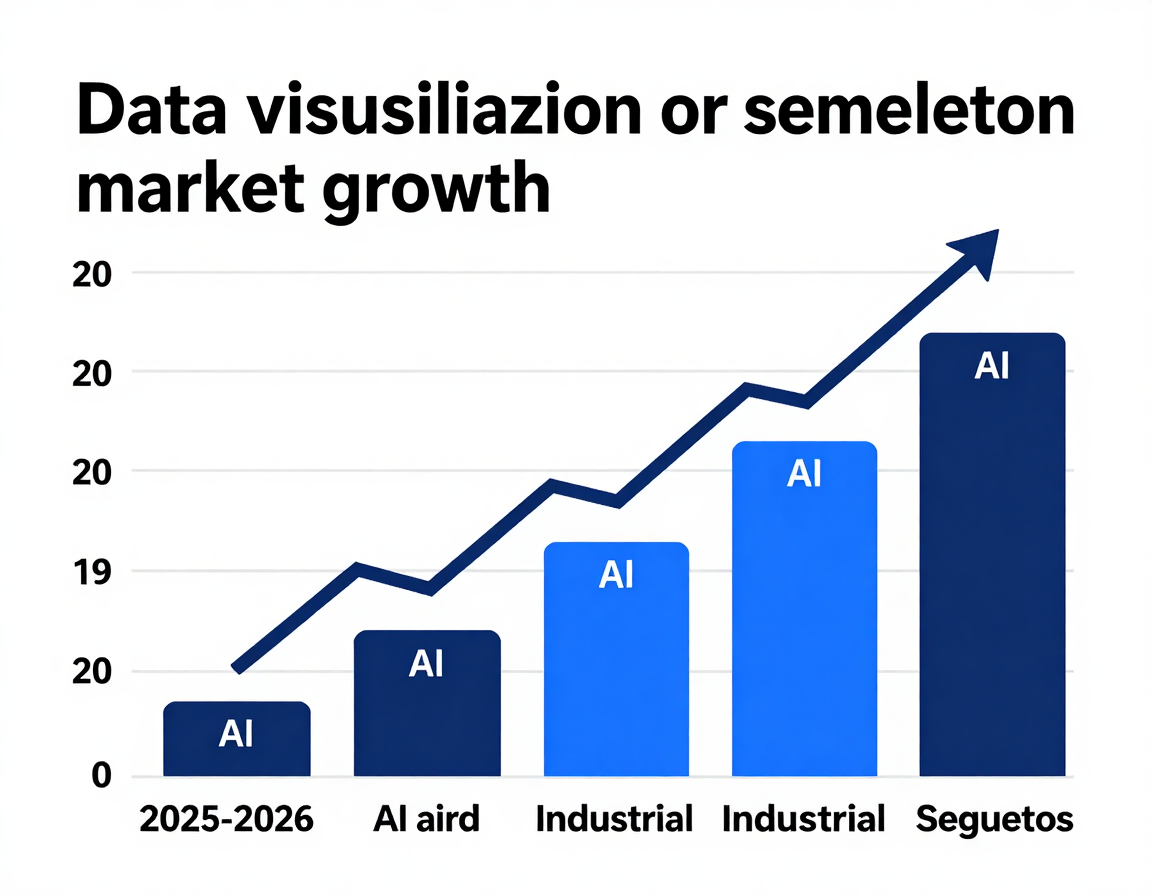
The semiconductor industry is positioned for historic growth in 2026. The global semiconductor industry is expected to reach $975 billion in annual sales in 2026, representing a historic peak fueled by intensifying AI infrastructure demand and industrial recovery. Growth reached 22% in 2025 and is projected to accelerate to 26% in 2026. Even with moderation thereafter, annual sales of $2 trillion appear likely by 2036, according to Deloitte’s 2026 Global Semiconductor Industry Outlook.
However, growth forecasts vary depending on assumptions about AI demand sustainability. Future Horizons forecasts 12% growth to $813 billion for 2026, with an 18% bullish scenario. The variance in forecasts reflects uncertainty about whether current AI-driven demand will sustain or whether a correction is inevitable. For industrial semiconductor investors, this means monitoring actual quarterly results against guidance becomes essential for validating recovery narratives.
3) Texas Instruments Q4 Results Demonstrate Industrial Strength
Texas Instruments’ fourth quarter 2025 earnings provide concrete evidence of industrial recovery. The company reported Q4 revenue of $4.4 billion, up 10% year-over-year, driven significantly by data center growth and industrial demand. The analog segment, which includes power management devices and signal chain products critical to industrial applications, grew 14% year-over-year in Q4. The embedded processing segment, which includes microcontrollers and processors used extensively in industrial automation, climbed 8% year-over-year.
More importantly, Texas Instruments management indicated that industrial, data centers, and automotive currently have the most potential for growth. The company reported cash flow from operations of $7.2 billion for the trailing 12 months and free cash flow of $2.9 billion, demonstrating the quality of earnings supporting the recovery narrative. For Q1 2026, the company guided revenue between $4.32 billion and $4.68 billion, suggesting continued momentum heading into the second quarter.
4) Edge AI and Industrial Automation Are Driving Incremental Demand
Beyond traditional data center AI applications, Edge AI is gaining momentum across industrial segments. Edge AI deployment in automotive advanced driver assistance systems (ADAS), industrial automation, and connected consumer devices is driving incremental demand for both advanced and mature semiconductor nodes. This is significant because it means industrial semiconductor demand is not dependent solely on cutting-edge AI chips but rather on a broader ecosystem of semiconductor applications.
The automotive sector, which makes up roughly 35% of Texas Instruments’ revenue, generated $5.8 billion in Q4, up 6% year-over-year. Management expects the automotive sector to continue growing over the next five years, with particular strength observed in China during Q4. This diversification across automotive, industrial automation, and Edge AI applications suggests the recovery is broad-based rather than concentrated in a single application.
5) Capital Expenditure Trends Signal Confidence in Sustained Demand
Semiconductor manufacturers are committing significant capital to support the recovery. Texas Instruments invested $4.6 billion in capital expenditures over the past 12 months and returned $6.5 billion to shareholders, demonstrating confidence in the business model. The company also invested $3.9 billion in research and development and selling, general and administrative expenses, indicating commitment to maintaining competitive positioning in industrial and data center markets.
At the industry level, DRAM capex is expected to rise 14% and NAND flash capex by 5% to $61 billion and $21 billion, respectively, according to Deloitte. However, this aggressive capex expansion carries risk: if demand growth moderates faster than expected, the industry could face overcapacity similar to previous cycles. Investors should monitor quarterly capex guidance and actual spending against forecasts as an indicator of management confidence in the recovery’s sustainability.
6) Key Metrics and Data Points to Monitor Quarterly
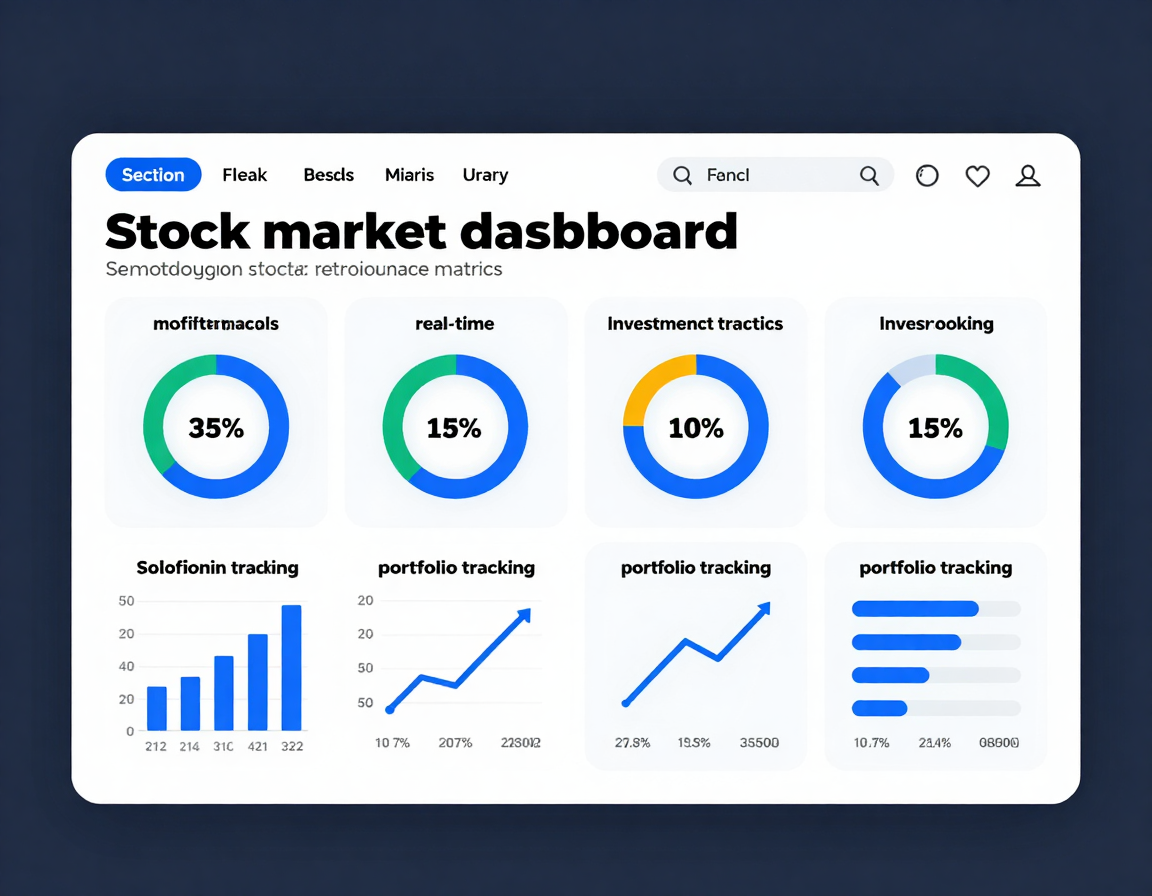
U.S. investors should establish a monitoring framework focused on specific metrics that validate the industrial semiconductor recovery narrative. First, track quarterly revenue growth rates for industrial-focused semiconductor companies, comparing actual results against guidance. Texas Instruments’ guidance for Q1 2026 revenue of $4.32-$4.68 billion provides a baseline; results above the midpoint would suggest accelerating momentum, while results below would signal caution.
Second, monitor gross margin trends and average selling prices (ASPs). ASPs have rebounded sharply since the 2022 collapse, driven by AI demand and supply constraints. However, long-term ASP trends historically gravitate toward $1 per IC according to Moore’s second law. Rising competition and capacity will eventually apply downward pressure on prices. If ASPs begin declining faster than unit volume growth can offset, it signals the recovery may be peaking.
Third, track free cash flow generation and capex intensity. Texas Instruments’ $2.9 billion in free cash flow for the trailing 12 months demonstrates the quality of the recovery. Compare this metric across semiconductor suppliers to identify which companies are converting revenue growth into actual cash generation. Fourth, monitor supply chain indicators including fab capacity utilization rates and lead times for industrial semiconductor products. Easing supply chain pressures have supported the recovery; if pressures return, it could constrain growth.
Fifth, watch for changes in customer inventory levels and order patterns. Industrial customers typically maintain longer lead times and more conservative inventory policies than consumer electronics customers. Increasing orders and inventory builds would signal confidence in sustained demand, while order cancellations or inventory reductions would suggest caution. Finally, track management commentary on industrial end-market demand during quarterly earnings calls, as executives provide forward-looking color on customer activity that may precede reported results.
How to Apply This in Practice
Establish a quarterly monitoring checklist: Create a spreadsheet tracking Texas Instruments and other industrial semiconductor suppliers’ quarterly revenue, gross margins, free cash flow, and management guidance. Compare actual results against guidance to identify trends.
Monitor industry reports: Subscribe to quarterly reports from Avnet Silica, Future Horizons, and Deloitte to track consensus forecasts for semiconductor growth. Deviations between consensus and actual results often precede market moves.
Track ASP trends: Monitor average selling price trends for logic, memory, and microcontroller segments. Declining ASPs despite volume growth would signal margin pressure and potential peak in the recovery cycle.
Analyze capex guidance: Compare semiconductor manufacturers’ capex guidance against revenue growth rates. Capex growth significantly exceeding revenue growth may indicate overconfidence in demand sustainability.
Review supply chain metrics: Track published lead times and fab utilization rates from industry sources. Lengthening lead times would signal supply constraints returning; shortening lead times would suggest demand softening.
Segment analysis: Distinguish between AI-driven demand and industrial demand in company disclosures. Industrial demand growth that outpaces AI demand growth would validate the recovery thesis; the reverse would suggest concentration risk.
Risk Note
While early 2026 data supports an industrial semiconductor recovery narrative, significant risks warrant investor caution. The semiconductor industry is navigating what Deloitte describes as a “high-stakes paradox,” where soaring AI-driven demand is pushing revenues to unprecedented levels while the industry has concentrated value in specialized AI hardware. This concentration creates “zero-sum” competition for wafer and packaging capacity, already disrupting downstream sectors.
Forecasters explicitly warn that a correction is inevitable if AI demand falters or infrastructure fails to keep pace. Future Horizons projects potential downside of 8-12% growth decline if conditions deteriorate. Additionally, U.S. trade policy remains aggressive, with explicit threats of 100% tariffs for companies not manufacturing domestically, creating regulatory uncertainty. Investors should view the industrial semiconductor recovery as a positive trend but maintain disciplined position sizing and avoid overweighting semiconductor exposure based on optimistic 2026 forecasts. Monitor the specific data points outlined above quarterly to validate that the recovery is broadening beyond AI applications and establishing sustainable demand patterns.