In 2026, recession risks persist despite resilient U.S. growth near 2%, with BlackRock warning of potential 20% market drops and positioning via a barbell strategy of AI stocks like NVIDIA and Microsoft alongside defensive hedges. This playbook equips U.S. investors with a factual defense using stocks, bonds, and gold, drawing from BlackRock’s 13F shifts, Fed easing forecasts, and yield curve normalization.
1) Assessing the 2026 Recession Landscape
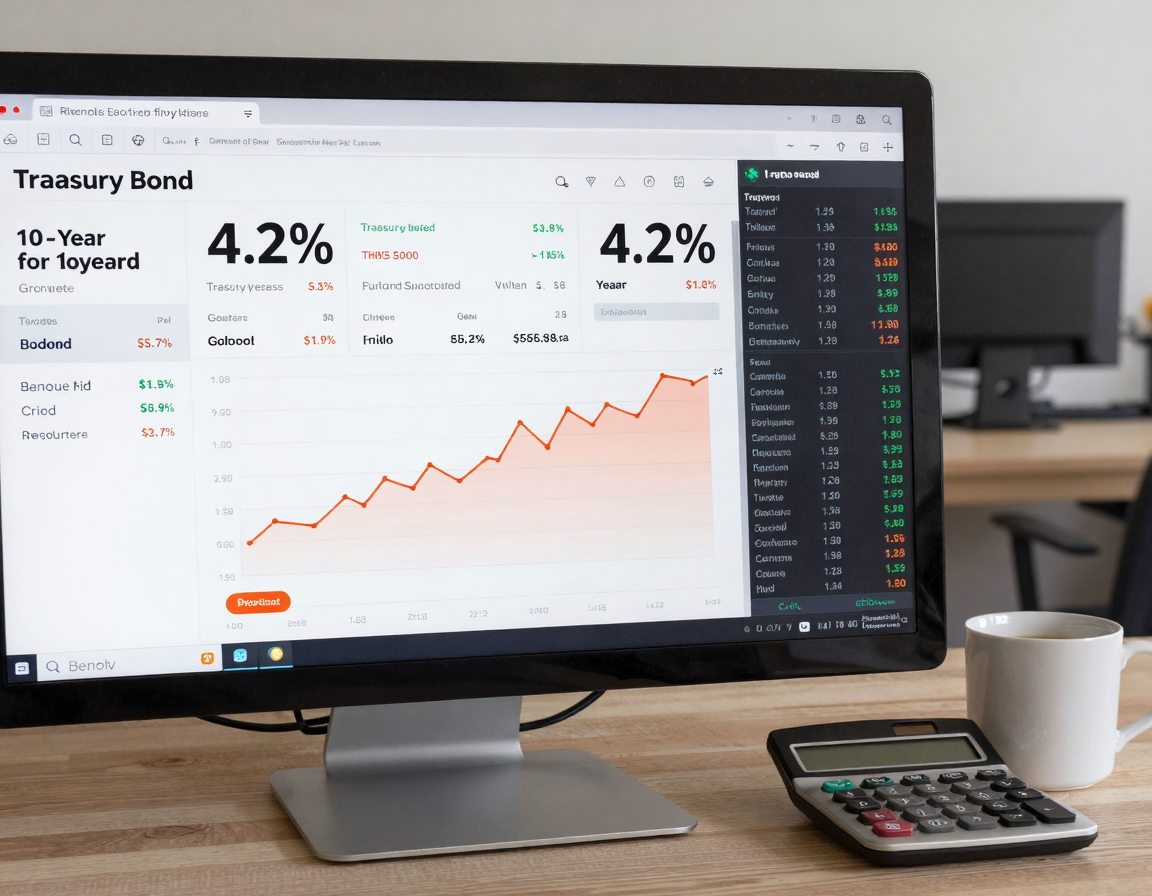
U.S. GDP growth is projected to stay slightly below the 2.1% trend through 2026, with low contraction probability but rising dispersion in outcomes due to higher capital costs. BlackRock highlights softening labor markets, with household job expectations at record lows, while fiscal deficits and Fed moves to neutral rates provide cushions against demand-side recessions. The Treasury yield curve has steepened, ending 2025 with 2-year yields at 3.5% and 10-year at 4.2%, signaling reduced inversion fears after a prolonged period without recession. Major banks forecast two more 25-basis-point Fed cuts, targeting 3.00%-3.25% funds rate, though slower cuts may occur amid persistent inflation pressures.
2) Stocks: Barbell with AI Leaders and Defensive Rotation

BlackRock’s strategy emphasizes high-conviction AI bets on NVIDIA and Microsoft, compounding even in slowdowns, paired with rotation to stable sectors amid $210 billion equity additions in late 2025. Investors should capture ‘real economy’ rebound via small and mid-cap stocks, offering hedges against mega-cap concentration and high operating leverage on recovery. Reducing SPY calls and adding IVV puts increases downside sensitivity, trimming upside premiums as S&P 500 valuations peak. This barbell avoids fragility, blending offense in AI with liquidity for rotations.
3) Bonds: Tactical Duration and Yield Curve Plays
Unlike traditional long Treasury buys in slowdowns, BlackRock remains tactically underweight U.S. Treasuries, favoring quality income and less rate-sensitive assets amid expectations of shallower Fed cuts. The yield curve is expected to normalize further upward-sloping with at least one more accommodative cut, steepening as short rates fall faster than long-end yields holding at 4.2%-4.8%. Focus on intermediate bonds for income stability, as fiscal support and liquidity persist, cushioning restrictive policy shifts.
4) Gold: The Timeless Recession Hedge
Gold serves as a core hedge in BlackRock’s layered defenses, thriving in volatility, inflation persistence, and geopolitical tensions not fully priced into equities. Amid warnings of idiosyncratic defaults and widening outcome distributions, gold provides non-correlated returns, complementing AI stock offense and bond duration control. Historical data shows gold outperforming during yield curve steepening post-inversion, as in late 2025, bolstering portfolios against 20% equity drops.
5) Integrating the Barbell: Portfolio Construction
BlackRock’s dual strategy allocates heavily to AI giants while building liquidity, hedges, and alternative streams like hedge funds for uncorrelated returns, avoiding 60/40 fragility. U.S. investors can replicate with 40-50% in quality growth stocks (AI-focused), 30% bonds emphasizing credit caution, and 10-15% gold, maintaining cash for opportunistic small/mid-cap shifts. This structure prepares for Fed delays, labor softening, and sector rotations without single-regime bets.
6) Monitoring Signals and Adjustments

Track Fed funds futures for cut pacing, with banks eyeing 3.25% endpoint; watch yield curve slope for steepening beyond 4.2% 10-year. BlackRock’s options shifts signal rising volatility—monitor IVV puts and SPY call trims for downside prep. Rebalance on labor data weakness or AI sentiment shifts, using liquidity to pivot to rebounding small-caps.
How to Apply This in Practice
- Assess allocation: Target 40% AI/quality stocks (e.g., NVIDIA, MSFT ETFs), 30% intermediate bonds, 10% gold ETFs, 20% cash/small-mid caps.
- Implement hedges: Add put options or inverse ETFs at 5% portfolio weight, mirroring BlackRock’s IVV sensitivity.
- Rebalance quarterly: Sell winners into strength, buy yield curve steepeners if 10-year holds 4.2%+.
- Monitor dashboards: Use BLS labor surveys, Fed futures, 13F filings for BlackRock shifts.
- Stress test: Simulate 20% S&P drop—ensure gold/bonds offset stock losses.
Risk Note
This playbook reflects 2026 outlooks from BlackRock, JPMorgan, and others but markets evolve; past performance lacks guarantees, and recession avoidance remains probable yet not certain. Consult advisors; diversification reduces but does not eliminate losses amid volatility, Fed missteps, or AI bubble bursts.