1) AI Infrastructure Demand Acceleration and Sustainability
The most compelling signal of a genuine semiconductor cycle bottom is the breadth and persistence of demand across multiple end markets simultaneously. Unlike previous cycles driven by single dominant applications, the 2026 semiconductor market is characterized by overlapping demand engines advancing in parallel. The global semiconductor industry is expected to reach $975 billion in annual sales in 2026, with growth accelerating to 26% year-over-year, compared to 22% growth in 2025.
AI infrastructure represents the primary growth catalyst, but its sustainability matters more than its magnitude. Data centre and server-related semiconductors are forecast to grow at double-digit annual rates, driven primarily by AI workloads. However, investors should distinguish between temporary demand spikes and structural, long-term growth. The key indicator here is whether AI monetization timelines remain on track and whether data center buildout constraints ease. If AI adoption accelerates faster than anticipated and electrification timelines compress, demand for advanced logic, memory, and power semiconductors could exceed current projections, with utilisation rates remaining high and pricing power strengthening.
Watch for quarterly earnings guidance from major semiconductor manufacturers regarding data center revenue visibility beyond 12 months. Sustained guidance increases signal genuine cycle bottom confirmation rather than temporary demand recovery.
2) Supply Capacity Expansion and Manufacturing Utilization Rates
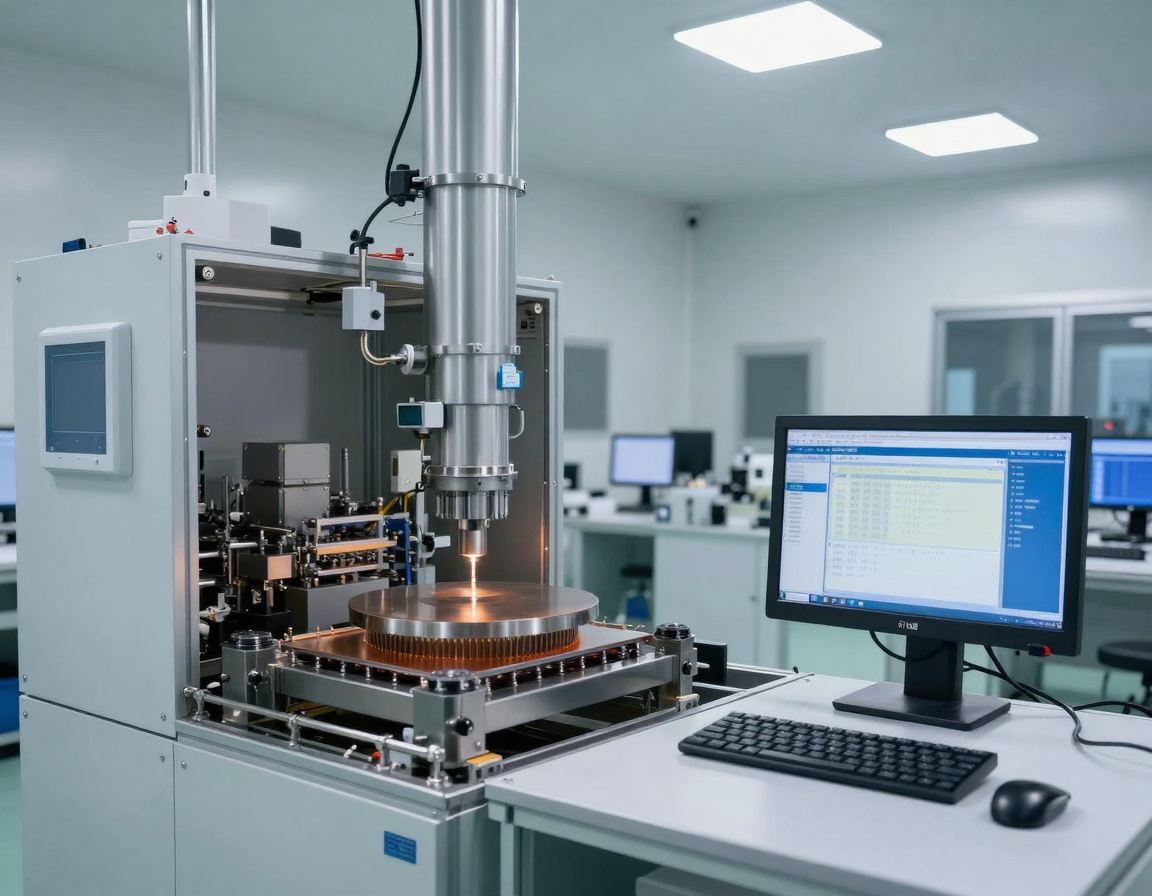
A critical but often overlooked indicator of cycle bottom is the trajectory of manufacturing capacity utilization. The semiconductor industry operates on long planning horizons, often exceeding 12 to 24 months from capacity decision to output. When demand accelerates unexpectedly, supply cannot respond quickly, resulting in shortages. Conversely, when demand softens, previously committed capacity continues to deliver, creating surplus.
In 2026, supply expands gradually as new capacity comes online, but long lead times prevent rapid rebalancing. Investors should monitor capacity utilization rates across advanced logic nodes and memory production. Utilization rates above 85% typically indicate tight supply conditions and pricing power, while rates below 70% suggest excess capacity and potential margin compression. The base case scenario projects global semiconductor demand to continue growing at a healthy pace through 2028, driven by AI infrastructure, automotive electrification, and industrial automation, with growth remaining positive but uneven.
Additionally, track announcements from major foundries regarding capital expenditure commitments. Aggressive capacity expansion signals confidence in sustained demand, while cautious capex guidance may indicate uncertainty about cycle sustainability. SEMI capacity data and quarterly utilization reports from TSMC, Samsung, and Intel provide the most reliable metrics for this indicator.
3) Inventory Normalization Across the Supply Chain
Semiconductor supply chains experienced severe inventory corrections during the post-pandemic volatility of the early 2020s. A genuine cycle bottom requires evidence that inventory levels have normalized across distributors, original equipment manufacturers, and end customers. The coexistence of shortages and excess inventory is a predictable outcome of long lead times and imperfect forecasting, but the ratio between these conditions reveals cycle health.
Investors should examine inventory-to-sales ratios reported by major semiconductor companies and distributors. Healthy normalization occurs when inventory levels stabilize at historical averages rather than remaining elevated or depleted. The consumer electronics segment has finally normalized after years of inventory digestion, helping to stabilize the baseline supply-demand balance. This normalization is a positive signal that the industry has moved past the acute correction phase.
Key metrics to track include days inventory outstanding (DIO) for semiconductor manufacturers, distributor inventory levels reported in industry surveys, and customer inventory comments in quarterly earnings calls. When management commentary shifts from discussing inventory corrections to discussing inventory optimization, this signals transition from cycle bottom to recovery phase.
4) Pricing Stability and Gross Margin Trends
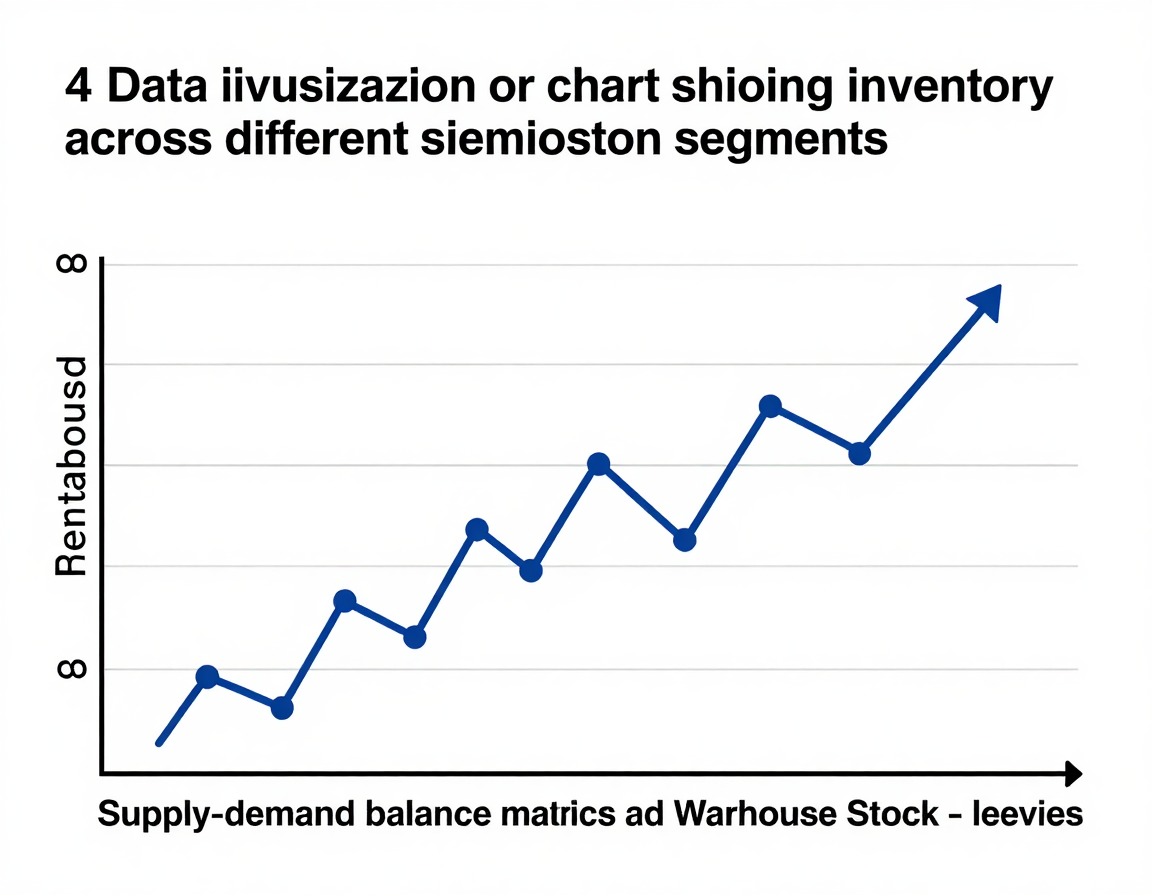
Pricing dynamics serve as a leading indicator of cycle bottom confirmation. During the depths of a semiconductor downturn, pricing pressure intensifies as manufacturers compete for market share. As demand stabilizes and supply constraints tighten, pricing power gradually returns. In 2026, elevated prices on virtually all types of microelectronics are contributing to record revenue, but investors must distinguish between sustainable pricing and temporary inflation.
Monitor gross margin trends across semiconductor manufacturers, particularly in advanced logic and memory segments. Expanding margins indicate pricing power and demand strength, while contracting margins suggest competitive pressure and potential oversupply. The upside scenario for 2026 projects that under accelerated AI adoption, utilisation rates remain high and pricing power strengthens, supporting margin expansion.
Additionally, track average selling price (ASP) trends for key product categories. Stable or rising ASPs in high-demand segments like AI accelerators and automotive chips indicate genuine demand strength. Conversely, ASP declines in mature segments may reflect normal product lifecycle dynamics rather than cycle weakness. Quarterly earnings reports and analyst commentary on pricing trends provide the most direct access to this data.
5) Automotive and Industrial Automation Demand Diversification
A critical indicator that the semiconductor cycle has truly bottomed is the emergence of demand diversification beyond AI infrastructure. While AI dominates current growth narratives, automotive electrification and industrial automation represent structural, long-term demand drivers that reduce concentration risk. Automotive semiconductor demand is expected to grow at over 10% compound annual growth rate, significantly outpacing global vehicle production.
Assisted and autonomous driving functions are driving demand for cameras, radar, and LiDAR sensors, high-performance system-on-chip devices, and secure connectivity microcontrollers. The architectural shift from distributed electronic control units to zonal and centralised computing further concentrates semiconductor value into fewer, more critical components. This concentration increases exposure to lifecycle risk, but it also indicates sustained, structural demand growth.
Investors should monitor automotive semiconductor order books, design win announcements from major suppliers, and production forecasts from automotive manufacturers. When automotive and industrial segments show consistent quarter-over-quarter growth independent of AI momentum, this confirms that the cycle bottom represents genuine, broad-based recovery rather than narrow AI-driven demand spike.
6) Geopolitical Risk Mitigation and Supply Chain Resilience

The semiconductor industry’s recovery in 2026 occurs against a backdrop of significant geopolitical uncertainty. Embargoes on the Chinese semiconductor industry and shifting U.S. administrations have created supply chain volatility. A genuine cycle bottom requires evidence that supply chain resilience is improving despite these headwinds. Semiconductor supply chains operated well in 2024, and there is currently no reason to believe that 2025 has been any less resilient, though risks remain.
Investors should track diversification efforts by major semiconductor manufacturers and their customers. Companies expanding production capacity outside China and establishing redundancy in critical supply chains demonstrate confidence in long-term demand and commitment to cycle recovery. Additionally, monitor regulatory developments regarding semiconductor subsidies, export controls, and trade policy. Clarity and stability in these areas reduce uncertainty and support cycle confirmation.
Watch for announcements regarding supply chain partnerships, geographic diversification of manufacturing, and inventory positioning strategies. When companies invest in supply chain resilience despite geopolitical uncertainty, this signals confidence that the cycle bottom has been reached and recovery is sustainable.
How to Apply This in Practice
Quarterly Monitoring Checklist:
1. Review earnings reports from TSMC, Samsung, Intel, and Broadcom for capacity utilization rates, gross margin trends, and forward guidance on demand visibility.
2. Track SEMI capacity data and World Semiconductor Trade Statistics (WSTS) forecasts for utilization rates and production volume trends.
3. Monitor distributor inventory reports and days inventory outstanding metrics from major semiconductor companies.
4. Analyze average selling price trends in AI accelerators, automotive chips, and memory products through analyst reports and company guidance.
5. Review automotive semiconductor order books and design win announcements from suppliers like NXP, Infineon, and STMicroelectronics.
6. Track geopolitical developments affecting semiconductor supply chains, including export controls, subsidies, and manufacturing announcements.
7. Compare current semiconductor valuations to historical averages, adjusting for growth rate differences between cycle phases.
Portfolio Strategy Implications:
If all six indicators show positive trends, the cycle bottom has likely been confirmed, supporting overweight positions in semiconductor equipment manufacturers, foundries, and fabless design companies. If indicators show mixed signals, maintain neutral positioning and wait for clearer confirmation. If indicators deteriorate, reduce exposure and prepare for potential cycle downturn.
Risk Note
This analysis is based on current market data and forecasts as of early 2026. Semiconductor cycles are inherently unpredictable, and multiple risks could invalidate these indicators. AI monetization timelines could slip, constraining data center buildouts and reducing demand growth. Geopolitical escalation could disrupt supply chains or impose new export restrictions. Macroeconomic recession could reduce consumer and enterprise spending on technology. Inventory corrections could accelerate if demand forecasts prove inaccurate, creating sudden oversupply. Additionally, the concentration of growth in AI infrastructure creates vulnerability to shifts in AI investment priorities or technology roadmaps. Investors should diversify across multiple semiconductor subsectors and maintain disciplined risk management practices. Past cycle analysis does not guarantee future cycle patterns, and investors should consult with financial advisors before making investment decisions based on these indicators.