
Gastritis, an inflammation of the stomach lining, often recurs due to irritating dietary habits that prolong healing and trigger symptoms like nausea, bloating, and upper abdominal pain. Avoiding specific eating patterns can soothe the stomach and reduce flare-ups, as supported by dietary guidelines from health experts.
1)
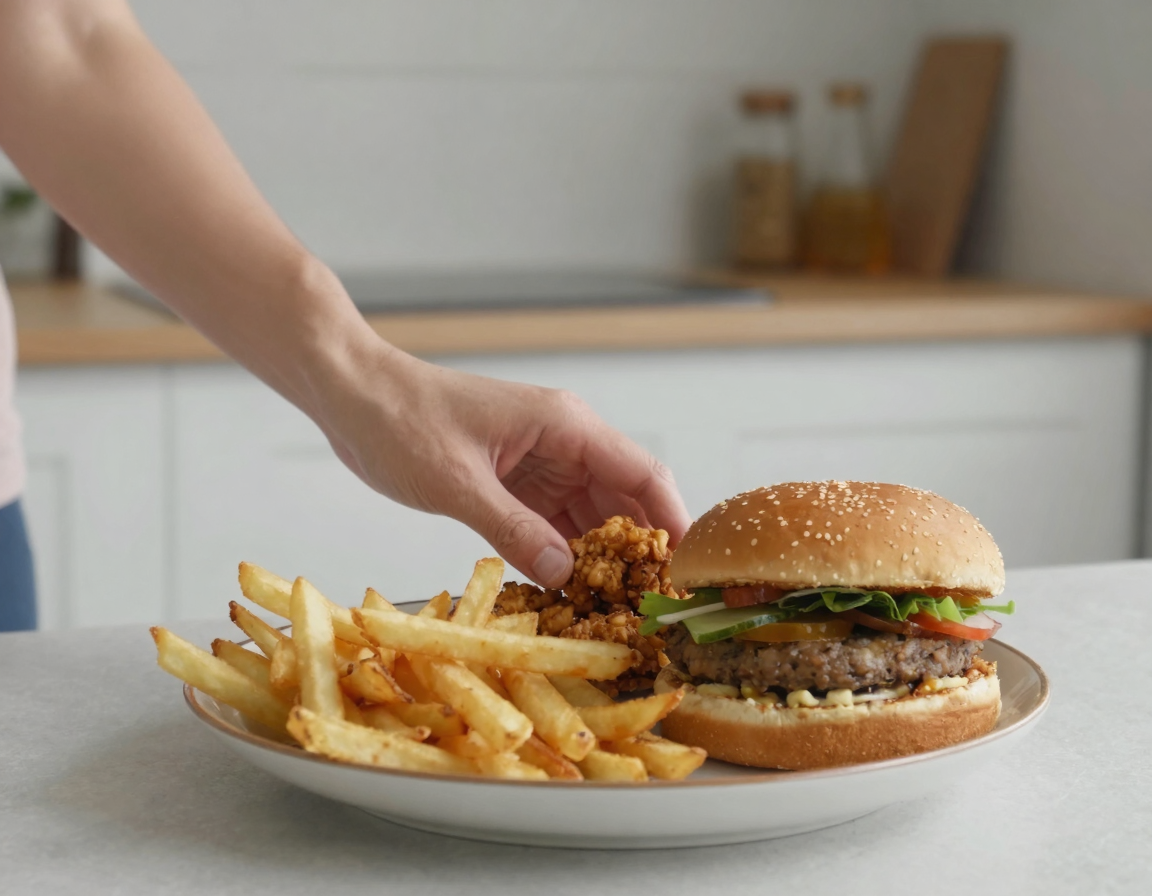
Consuming high-fat foods tops the list of habits to avoid when gastritis recurs frequently. Fatty meals, including fried foods, high-fat meats, whole-fat dairy, and processed items with added oils, slow digestion and keep food in the stomach longer, exacerbating inflammation. Opt instead for healthy fats like olive oil in moderation, but eliminate greasy options during flares to allow the stomach lining to heal.
2)

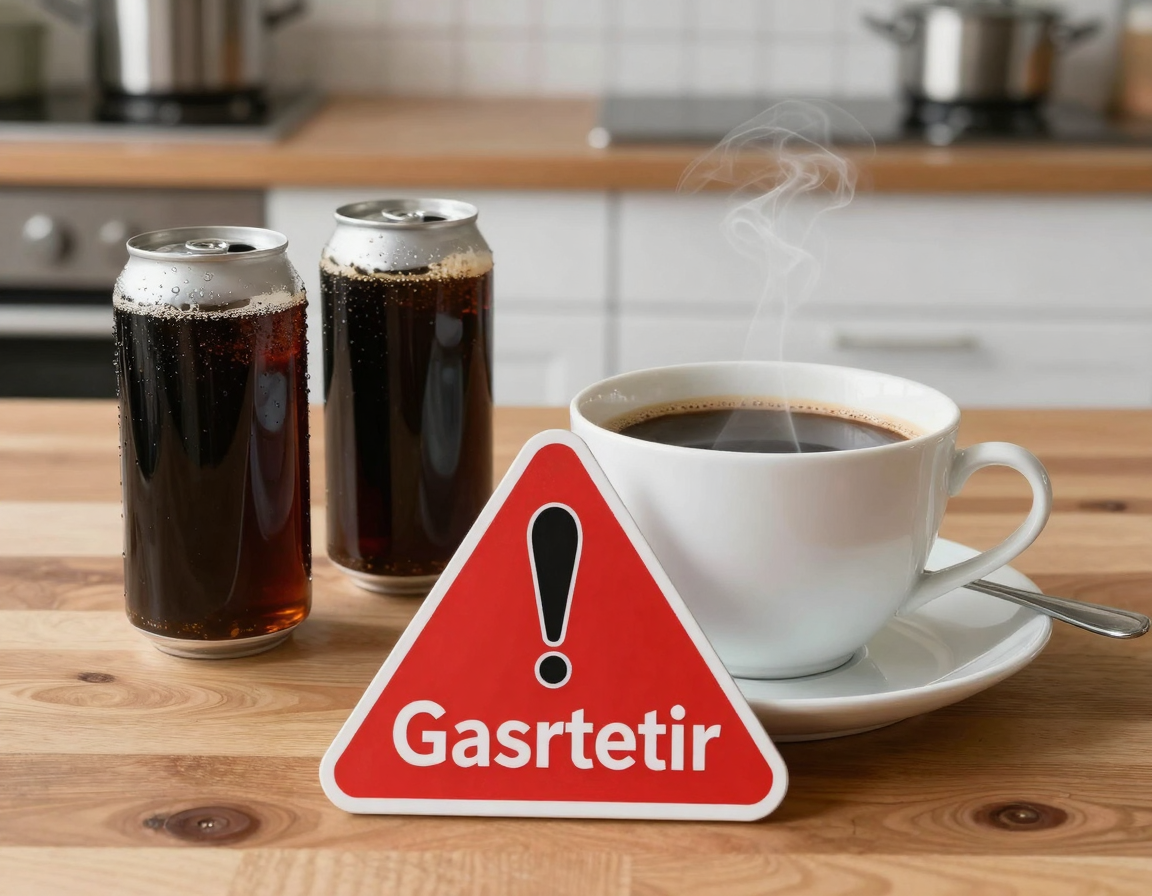
Indulging in caffeine-heavy beverages, such as coffee, tea, and sodas, irritates the inflamed stomach lining and promotes acid production. These stimulants can trigger or worsen gastritis symptoms, making daily coffee runs a common culprit for recurrence. Switch to caffeine-free herbal teas to minimize irritation.
3)
Regular intake of alcohol directly damages the stomach mucosa and increases acid secretion, leading to repeated gastritis episodes. Even moderate drinking delays recovery, so strict avoidance is recommended during active symptoms and high-risk periods.
4)

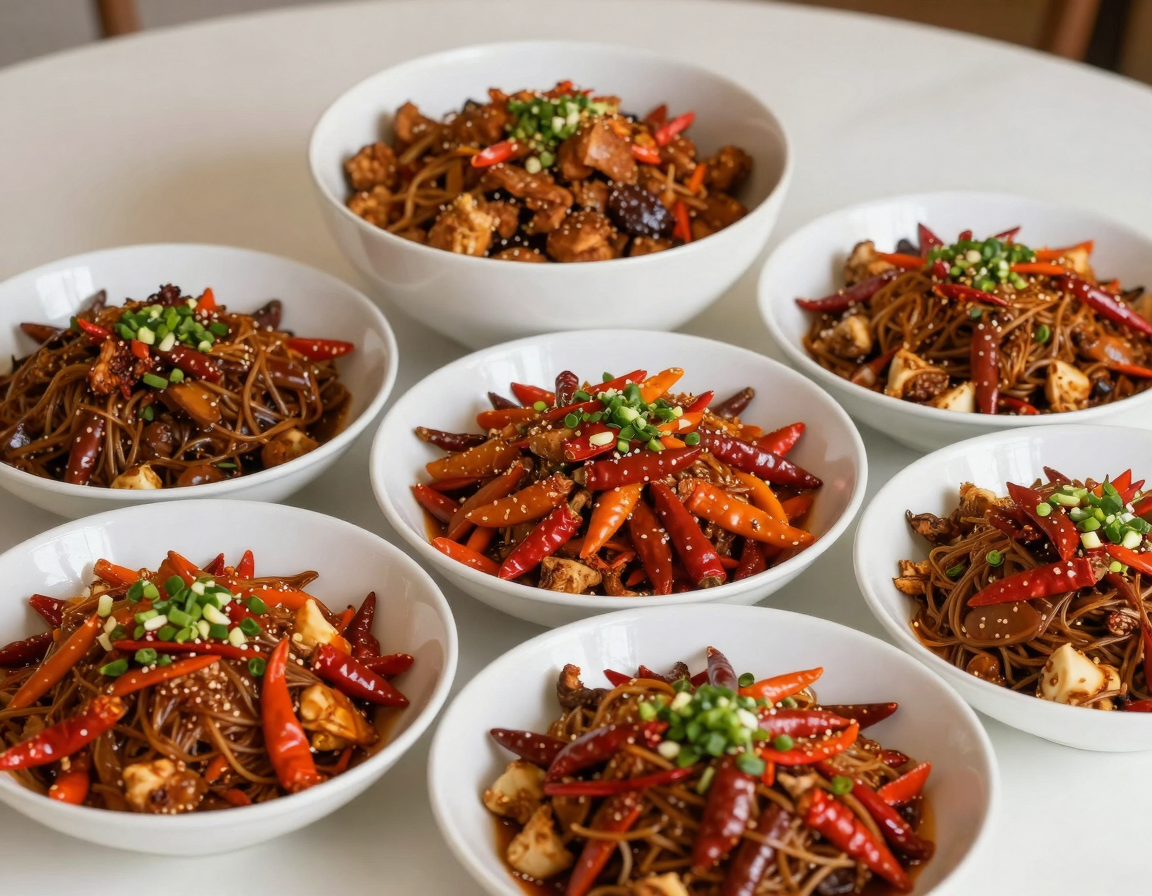
Eating spicy foods loaded with chili, peppers, and hot sauces aggravates the sensitive stomach lining, causing pain and inflammation that prompts flare-ups. Spices stimulate excess acid and irritate tissues already compromised by gastritis. Bland flavors support better healing outcomes.
5)
Overloading on acidic foods like citrus fruits, tomatoes, and vinegar-based dressings heightens stomach acidity, which erodes the protective lining and fuels recurrence. Low-acid alternatives, such as bananas and cooked vegetables, are gentler choices.
6)

Opting for sugary, highly processed foods and refined carbs, including pastries, cakes, and sodas, disrupts digestion and promotes inflammation. These empty calories irritate the gut without providing nutrients needed for repair, like vitamin B12 and iron. Prioritize easily digestible whole grains instead.
How to Apply This in Practice
Implement a practical daily checklist to break these habits and prevent gastritis from recurring. Start your day with oatmeal topped with bananas and a splash of plant-based milk, avoiding coffee. For lunch, choose grilled chicken with steamed carrots and brown rice, skipping fried sides. Dinner could feature baked fish with mashed sweet potatoes and green beans, no spices or alcohol. Snacks like plain yogurt or chia pudding keep things soothing. Eat smaller, frequent meals, chew slowly, and stay hydrated with water an hour before eating to aid digestion without diluting acids. Track triggers in a food diary to personalize avoidance, and include probiotic-rich yogurt for gut balance. Sample plans emphasize lean proteins, cooked veggies, and low-fat options to maintain nutrition while healing. Consistency in these habits reduces flare frequency over time.
Risk Note
While dietary changes help manage symptoms, recurring gastritis may signal underlying issues like H. pylori infection or nutrient deficiencies requiring medical evaluation. Consult a healthcare provider before major diet shifts, especially if symptoms persist, to rule out complications like ulcers or anemia. Supplements for iron, B12, or folic acid may be needed under supervision.