In 2026, U.S. hyperscalers including Microsoft, Alphabet, Amazon, Meta, and Oracle are committing $660-690 billion to AI infrastructure, nearly doubling 2025 levels, driven by insatiable demand for compute capacity. This massive capex sprint presents compelling opportunities for investors in semiconductors, data centers, power, and networking, but balances against risks like energy shortages and potential revenue shortfalls.
1)
The AI infrastructure buildout is accelerating at unprecedented scale, with the five largest U.S. cloud providers projecting aggregate capital expenditures of $660-690 billion in 2026. Microsoft is tracking toward $120 billion or more, Amazon at $200 billion primarily for data centers, Alphabet between $175-185 billion, Meta $115-135 billion, and Oracle targeting $50 billion, a 136% increase over 2025 supported by $523 billion in performance obligations. Consensus estimates for hyperscaler AI capex have risen to $527 billion, up from $465 billion earlier, with potential upside to $700 billion to match historical tech boom peaks relative to GDP. This spending, equivalent to an industrial buildout, is projected to contribute significantly to U.S. GDP growth, with global data center construction costs alone nearing $2.9 trillion through 2028.
2)
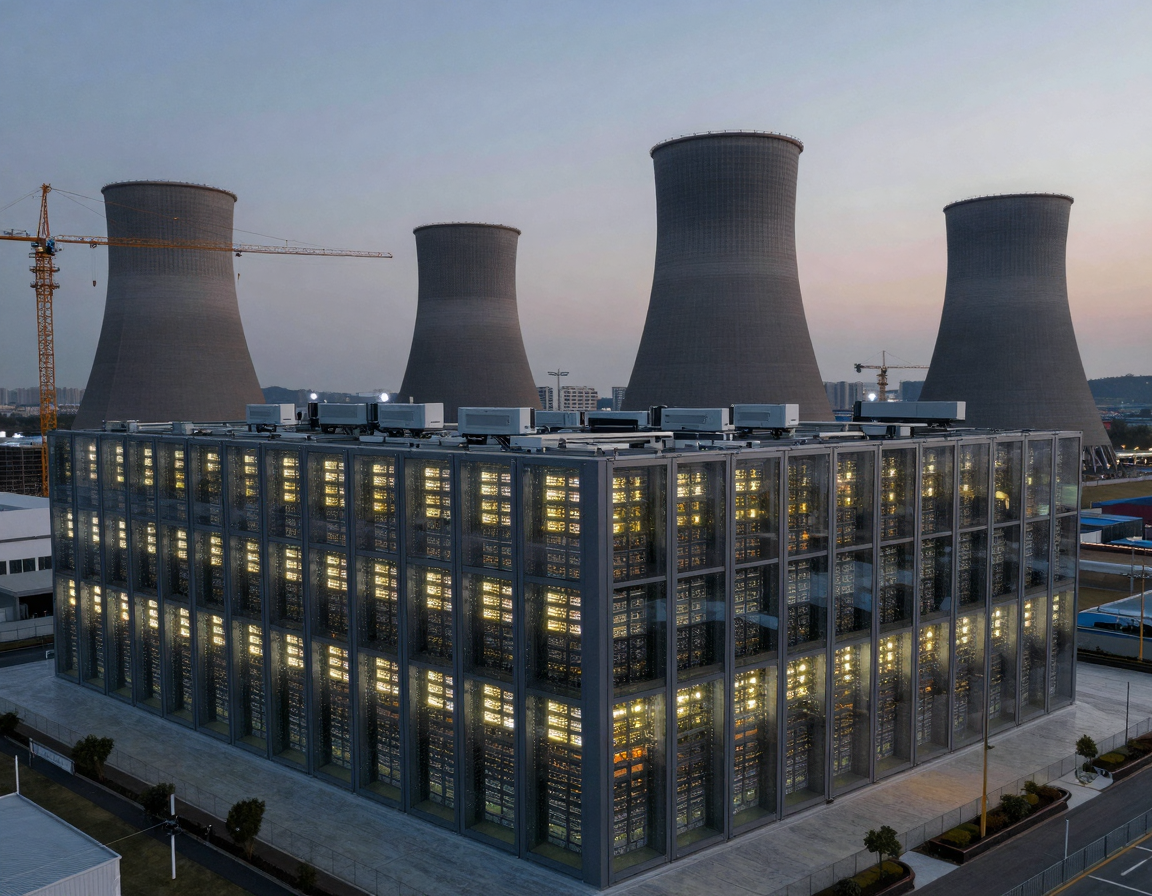
Hyperscalers report supply-constrained markets rather than demand issues, fueling conviction that AI workloads will absorb all available compute. Pure-play AI firms like OpenAI and Anthropic show rapid revenue growth, though still a fraction of infrastructure costs, underscoring the bet on future monetization. Oracle’s capex surge ties to demand from these players, while global projections indicate $3 trillion in AI-related investments by 2028, over 80% still ahead. This positions U.S. investors to benefit from the ‘AI infrastructure complex’ including semiconductors and hardware providers, where stocks have returned 44% year-to-date against modest earnings growth estimates.
3)
The Stargate project amplifies U.S. dominance, a $500 billion joint venture by 2029 involving OpenAI, SoftBank, Oracle, and MGX, with $100 billion initial deployment and 7 GW capacity planned across Texas, New Mexico, and Ohio by late 2025. Backed by the Trump administration, it layers atop hyperscaler plans, targeting massive AI compute expansion. Meanwhile, custom AI data centers are emerging with higher GPU-to-CPU ratios, new server models, optical networking for low latency, and rapid-deployment form factors. These developments signal opportunities in specialized infrastructure plays beyond traditional cloud providers.
4)
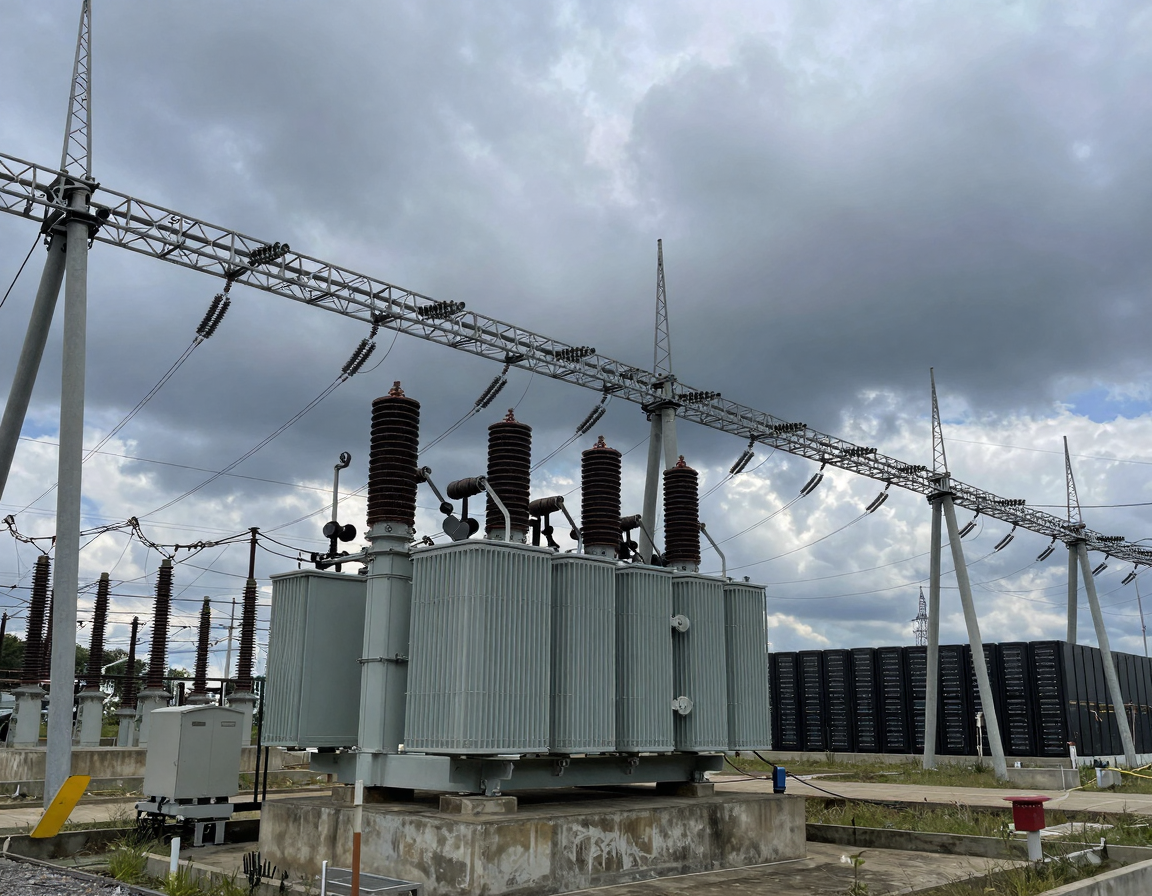
Global competition intensifies the U.S. opportunity, with China’s Alibaba committing ~$53 billion over three years and ByteDance $23 billion in 2026 capex including $13 billion for AI processors. Sovereign initiatives abroad, like Saudi Arabia’s $15 billion including a $10 billion Google Cloud deal and UAE’s 5 GW AI campus, plus EU’s €200 billion plan and Japan’s ¥1 trillion annual allocation, highlight U.S. leadership in raw spending. Investors can capitalize on American firms’ scale advantages, as capex remains below historical peaks and balance sheets support further growth without cash flow constraints.
5)
Key investment themes cluster around power, cooling, and supply chains amid surging demand. Data center energy needs are set to double by 2030, with 245 GW of U.S. capacity in development, colliding with grid limits and rising electricity costs. Trends include hybrid cooling systems, regulatory hurdles in cloud computing, and persistent chip supply bottlenecks. Fidelity notes AI infrastructure spending impacting nearly every U.S. sector, driving a boom in related equities. Sectors like power companies, alongside semiconductors and data center operators, stand to gain from this macro tailwind.
6)

By late 2026, at least 50 AI-native businesses could reach $250 million ARR, reshaping enterprise infrastructure. Equity gains have concentrated in infrastructure baskets, but a capex slowdown poses valuation risks, as current spending equates to just 0.8% of GDP versus 1.5% peaks in past cycles. Adoption shifts to productivity solutions, potentially lifting broader markets, yet investors grow selective amid concerns over the AI complex. U.S. hyperscalers’ strong balance sheets mitigate near-term constraints, supporting sustained investment flows.
How to Apply This in Practice
Practical Checklist for U.S. Investors:
1. Allocate to hyperscaler stocks (Microsoft, Amazon, Alphabet, Meta, Oracle) for direct capex exposure, targeting 20-30% portfolio weighting given $660-690B commitments.
2. Diversify into semiconductors and networking (e.g., Nvidia, AMD suppliers) benefiting from GPU-heavy data centers.
3. Invest in power and energy infrastructure ETFs or utilities preparing for 245 GW demand surge.
4. Monitor Stargate milestones for Oracle and partners, as $500B ambition unfolds through 2029.
5. Track capex revisions quarterly; upside to $700B+ signals buy opportunities.
6. Balance with non-U.S. exposure cautiously, favoring U.S.-centric plays amid global race.
7. Set stop-losses on infrastructure baskets if energy constraints delay deployments.
Rebalance semi-annually, emphasizing firms with strong balance sheets and supply-constrained demand.
Risk Note
While opportunities abound, risks include power shortages potentially slowing 2026 deployments, supply chain delays, regulatory traps in cloud and energy, and uncertain AI revenue justification for $690B capex if demand falters. Valuations in infrastructure stocks may correct on capex slowdown signals, with historical cycles showing sharp reversals post-peak. Geopolitical tensions in the U.S.-China race add volatility; energy costs and political pushback could constrain growth. Investors should limit exposure to 15-20% in high-risk AI infra themes and maintain cash buffers.