Traveling can disrupt your daily health routine, but with preparation and simple strategies, you can maintain fitness, nutrition, sleep, and well-being on the road. Evidence from health experts shows that consistent habits like hydration, movement, and smart eating reduce illness risk and improve energy levels during trips.
1) Prepare Your Health Foundation Before Departure
Start your trip with a strong health base by scheduling a pre-travel appointment with your primary care provider to discuss plans, review medical history, and get necessary vaccinations or prescriptions refilled. Pack enough medication in carry-on luggage for your trip plus extras for delays, and create a medical information card listing conditions, allergies, and contacts. Gradually shift your sleep schedule a week before departure to match your destination’s time zone, as studies link circadian rhythm adjustments to stronger immunity. Research destination-specific risks like water safety or accessibility for activities, and check health insurance coverage or purchase travel insurance.
2) Prioritize Sleep and Recovery During Transit

Adequate sleep bolsters your immune system, especially across time zones, so aim for 7-8 hours nightly and use tools like eye masks or noise-canceling headphones. During flights, stay hydrated by requesting water or juice without ice, avoid alcohol and caffeine, and perform circulation exercises to manage jet lag and prevent deep vein thrombosis. Upon arrival, stretch, move around, and adapt to local time by seeking natural daylight and short 20-30 minute naps if needed, consulting a doctor about melatonin. Pack light, bland meals before travel to avoid motion sickness, and focus vision outside during drives or flights.
3) Maintain Nutrition with Smart Eating Choices
Pack nutritious snacks like nuts or fruit to avoid impulsive unhealthy eats, and research healthy restaurant options ahead using apps. Follow food safety rules: boil it, cook it, peel it, or forget it—choose hot cooked foods, peelable produce, bottled water for drinking and brushing, and avoid ice or risky street food unless vendors look clean and busy. Practice portion control, prioritize protein for infection resistance, and enjoy treats in moderation to sustain energy without weight gain. For dietary needs, pre-plan organic or vegan spots.
4) Stay Active Without a Gym

Incorporate movement daily through walking to sights, hotel gym sessions, or bodyweight exercises like pushups, squats, jumping jacks, or yoga—10-15 minutes maintains fitness and releases endorphins. Pack workout clothes and sneakers, block time in your itinerary for activity, and choose accessible options if you have mobility limits. Explore by bike or foot instead of cabs to blend adventure with exercise, boosting immunity and mood. Balance with downtime to prevent burnout.
5) Manage Hydration and Hygiene Habits
Dehydration worsens jet lag and fatigue, so drink two glasses of water upon waking and carry a reusable bottle everywhere, opting for bottled or purified sources in unsafe areas. Wash hands frequently, especially before eating, and minimize germ exposure in crowds by avoiding aisle seats if possible or masking in close quarters. Use hand sanitizer and discretion with buffets, as sitting-out food risks spoilage.
6) Protect Mental Health and Reduce Stress
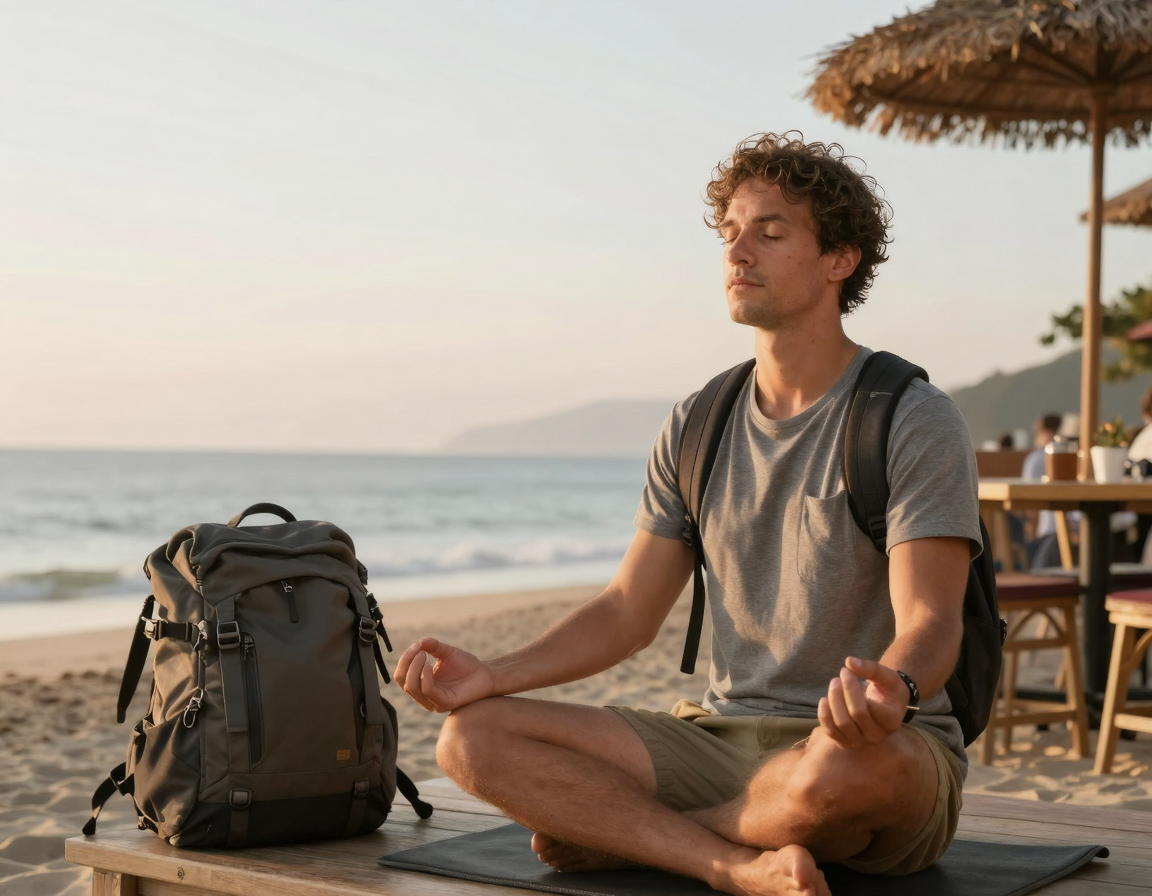
Build downtime into your schedule with mindfulness like meditation, journaling, or breathing exercises to combat anxiety, culture shock, or fatigue. Plan around peak crowds using apps, get fresh air stops, and prioritize rest over packed itineraries. Supplements like vitamins may help feel healthy, but consult providers; focus on sustainable habits rather than perfection.
How to Apply This in Practice
Daily Travel Health Checklist:
– Drink 2 glasses of water first thing and refill bottle hourly.
– Do 10-15 minutes of bodyweight exercises (e.g., squats, pushups).
– Eat peeled fruits/veggies or hot cooked meals; pack protein snack.
– Log 7-8 hours sleep with pre-adjusted schedule.
– Walk 30 minutes exploring; stretch upon arrival.
– Practice 5-minute breathing or journal for stress.
– Check meds, hands washed, hydration status before bed.
Risk Note
These tips are general and evidence-informed but not personalized medical advice; consult healthcare providers for chronic conditions, allergies, or destinations with outbreaks. Seek immediate care for severe symptoms like persistent diarrhea, high fever, or breathing issues, as travel increases risks like gastrointestinal illness or blood clots.