1)
Persistent inflation challenges traditional portfolios, prompting U.S. investors to evaluate Gold ETFs like GLD against Treasury ETFs such as those tracking TIPS or intermediate Treasuries like IEF. During accelerating inflation, Gold ETFs have historically delivered strong returns as a hedge, while Treasury ETFs excel when inflation decelerates by providing stable, predictable income backed by the U.S. government.
Gold’s appeal stems from its role shielding against currency devaluation and economic uncertainty, with GLD seeing inflows amid 2024’s high-interest-rate environment despite rising Treasury yields. Conversely, TIPS ETFs adjust principal for inflation, ensuring real returns that outpace nominal Treasuries when inflation exceeds expectations.
2)
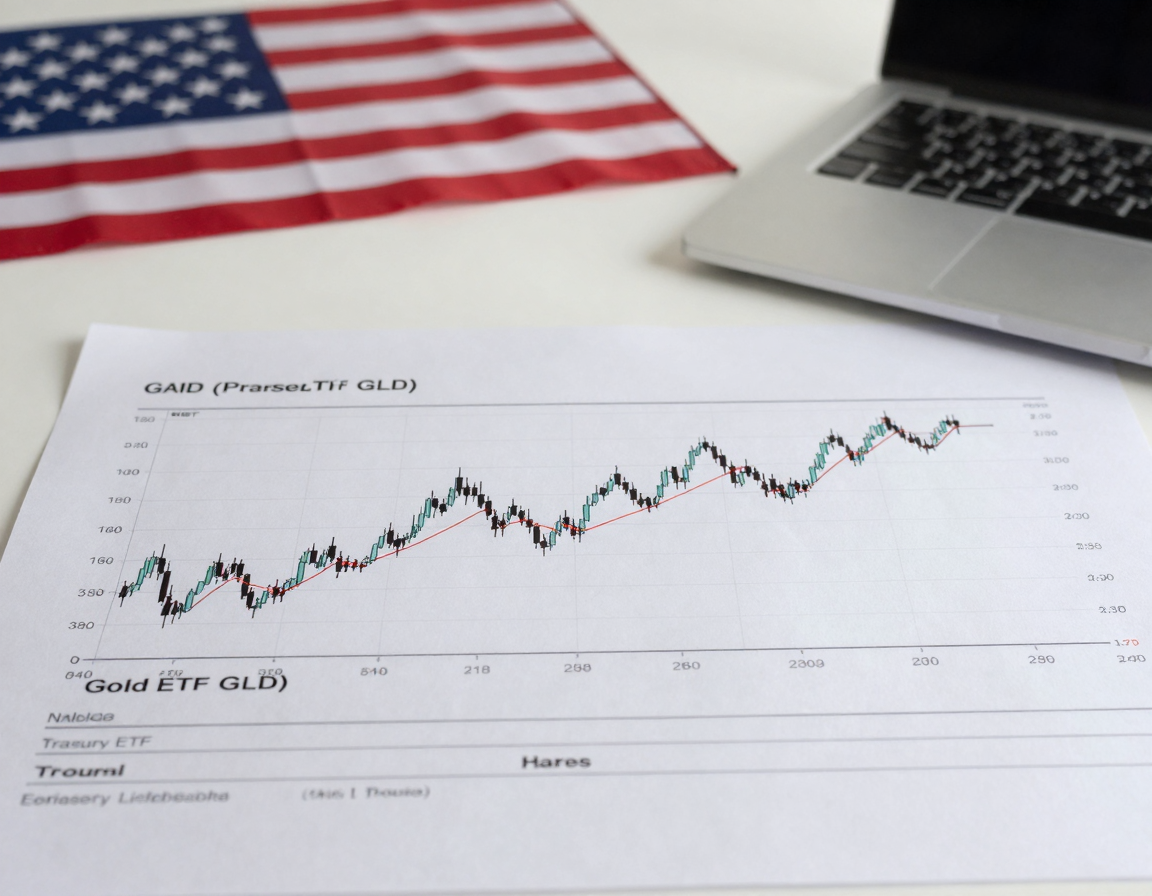
Gold ETFs, exemplified by GLD, position investors for gains in inflation-up regimes. Research shows gold prices rise with accelerating inflation expectations, as investors seek to preserve purchasing power, outperforming in trends where inflation data signals upward momentum.
In 2022’s inflation-driven losses, adding gold to portfolios reduced drawdowns from 16.9% to 14.47% compared to a standard 60/40 stock-bond mix, highlighting its cushioning effect. Demand for physically backed Gold ETFs surged in 2024, marking the first annual inflow in four years amid record prices fueled by geopolitical tensions and monetary policy shifts.
3)
Treasury ETFs, particularly TIPS funds, offer built-in inflation protection through principal adjustments tied to CPI changes. These securities guarantee a real rate of return, with values rising if inflation exceeds breakeven rates like the current 2.3%, making them superior to nominal Treasuries in high-inflation scenarios.
Intermediate Treasury ETFs like IEF or long-term ones like TLT thrive in inflation-down regimes, delivering positive performance as falling inflation allows bond prices to appreciate amid lower yields. With 10-year Treasury yields around 4% against 2.6%-3% sticky inflation, these ETFs can provide returns outpacing inflation.
4)
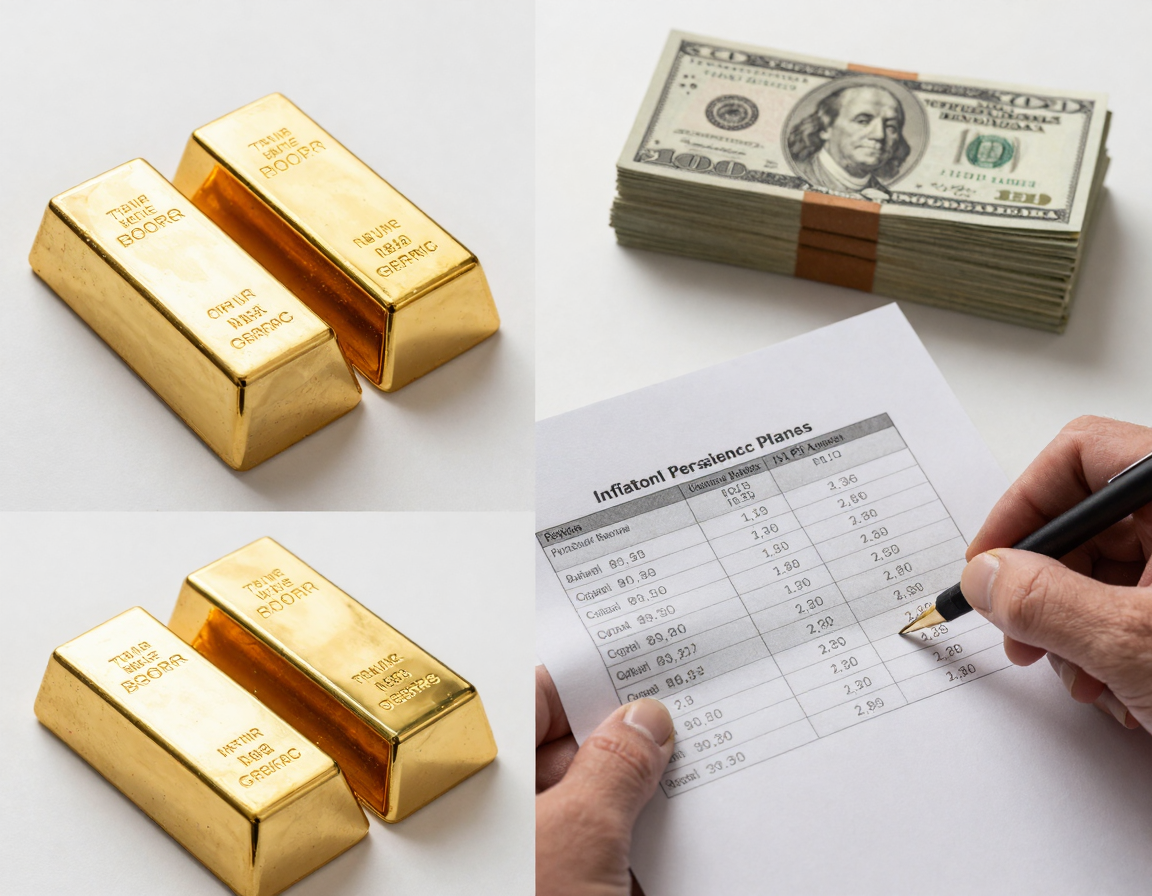
Historical data reveals distinct performance patterns: in decelerating inflation, Treasury ETFs like IEF and TLT post gains, while accelerating inflation favors Gold ETFs like GLD or even short USD positions. A systematic strategy switching based on inflation trends outperforms equally weighted GLD-IEF benchmarks, boosting Sharpe and Calmar ratios.
Over 2004-2026, a 60/20/20 stocks-bonds-gold portfolio achieved 9.86% annualized returns versus 7.94% for 60/40, underscoring gold’s long-term enhancement during inflationary periods. TIPS ETFs, however, maintain stability with federally insured returns, though at lower yields than corporate bonds.
5)
Gold ETFs face volatility and opportunity costs from foregone Treasury interest, with investors often buying at peaks, amplifying downside risks. Storage and management issues apply less to ETFs, but prices fluctuate, requiring patience for realization.
Treasury ETFs, while secure, yield less than alternatives and trigger taxable events on coupon payments; TIPS underperform if inflation falls below expectations. Rising rates from persistent inflation can pressure bond prices inversely.
6)

Tactical allocation using inflation data—holding Gold ETFs in uptrends and Treasury ETFs in downtrends—enhances returns over buy-and-hold. This approach leverages gold’s hedge in accelerating phases and Treasuries’ stability in cooling ones, adapting to central bank responses.
For persistent inflation around 3%, blending both via ETFs mitigates risks, as J.P. Morgan and Goldman Sachs forecast gold above $3,000/oz in 2025 amid rate cut expectations.
How to Apply This in Practice
Practical Checklist for U.S. Investors:
1. Monitor CPI and inflation expectations weekly via BLS data and Fed projections.
2. If inflation accelerates (UP regime), allocate 10-20% to Gold ETF like GLD.
3. In decelerating inflation (DOWN regime), shift to TIPS or IEF/TLT ETFs.
4. Limit gold exposure to 20% to manage volatility; use 60/20/20 as baseline.
5. Rebalance quarterly, considering tax implications in taxable accounts.
6. Track breakeven inflation rates for TIPS to gauge relative value.
7. Diversify with equities; avoid over-reliance on either asset in isolation.
Risk Note
All investments carry risks: Gold ETFs can suffer sharp declines unrelated to inflation, such as from rising real yields or reduced geopolitical tensions. Treasury ETFs face interest rate risk, where persistent high inflation prompts Fed hikes, depressing prices. TIPS offer inflation protection but lag in deflation. Past performance does not guarantee future results; consult a financial advisor and consider your risk tolerance.