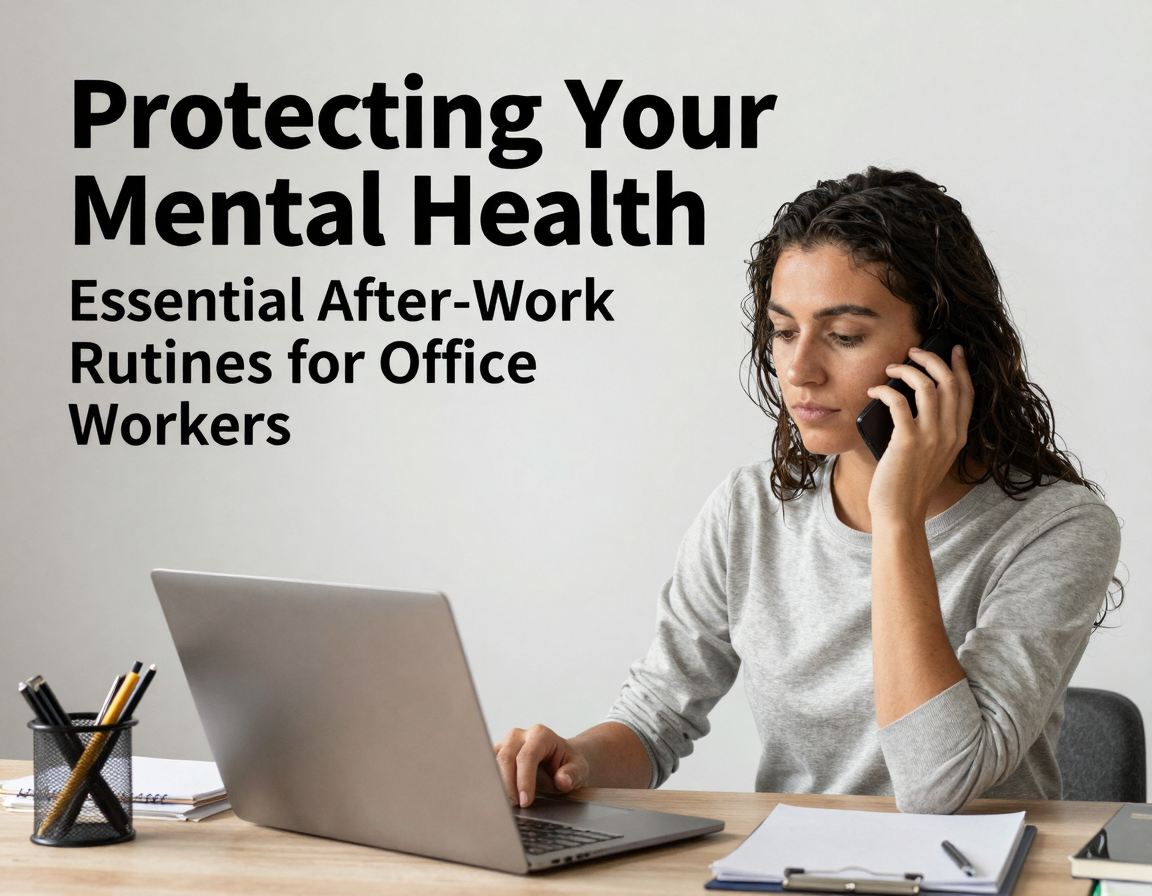
Office workers often face high stress levels that can harm mental health if not addressed after hours. Establishing a structured after-work routine helps transition from work mode, reduces anxiety, improves sleep quality, and enhances next-day productivity, as supported by counseling experts and wellness research.
1) Mark the End of Your Workday
Begin your after-work routine by creating a clear psychological boundary between work and personal time. Perform a symbolic action like closing your laptop, turning off work notifications, or taking a short walk home while reflecting on accomplishments. This signals to your brain that the workday is over, reducing rumination and stress carryover, according to Harvard Business Review guidance.
Choose a consistent start time, ideally one to two hours before bed, such as dimming main lights or changing into comfortable clothes. These cues help your nervous system shift from alert to rest mode, bridging the gap between a busy day and calm evenings.
2) Unload Your Mind

After arriving home, spend five minutes mentally unloading by jotting down unfinished tasks, worries, or tomorrow’s reminders in a notebook or app. This practice empties racing thoughts, prevents bedtime rumination, and supports emotional regulation, as recommended by Calm’s evening routine experts.
Prepping small tasks for the next day during this time boosts morning productivity and reduces evening anxiety. Avoid checking work emails to maintain boundaries.
3) Incorporate Mindfulness or Relaxation Techniques
Engage in proven relaxation methods like deep breathing, progressive muscle relaxation, or gentle yoga to release daily stressors. Deep breathing lowers blood pressure and fosters present-moment focus, while progressive muscle relaxation involves tensing and releasing muscle groups for 10 seconds each to calm the body.
Gentle movement, such as light stretching or yoga postures combined with breathwork, unwinds physical tension from desk-bound hours without spiking heart rate, making it ideal before bed.
4) Limit Screens and Choose Quiet Activities
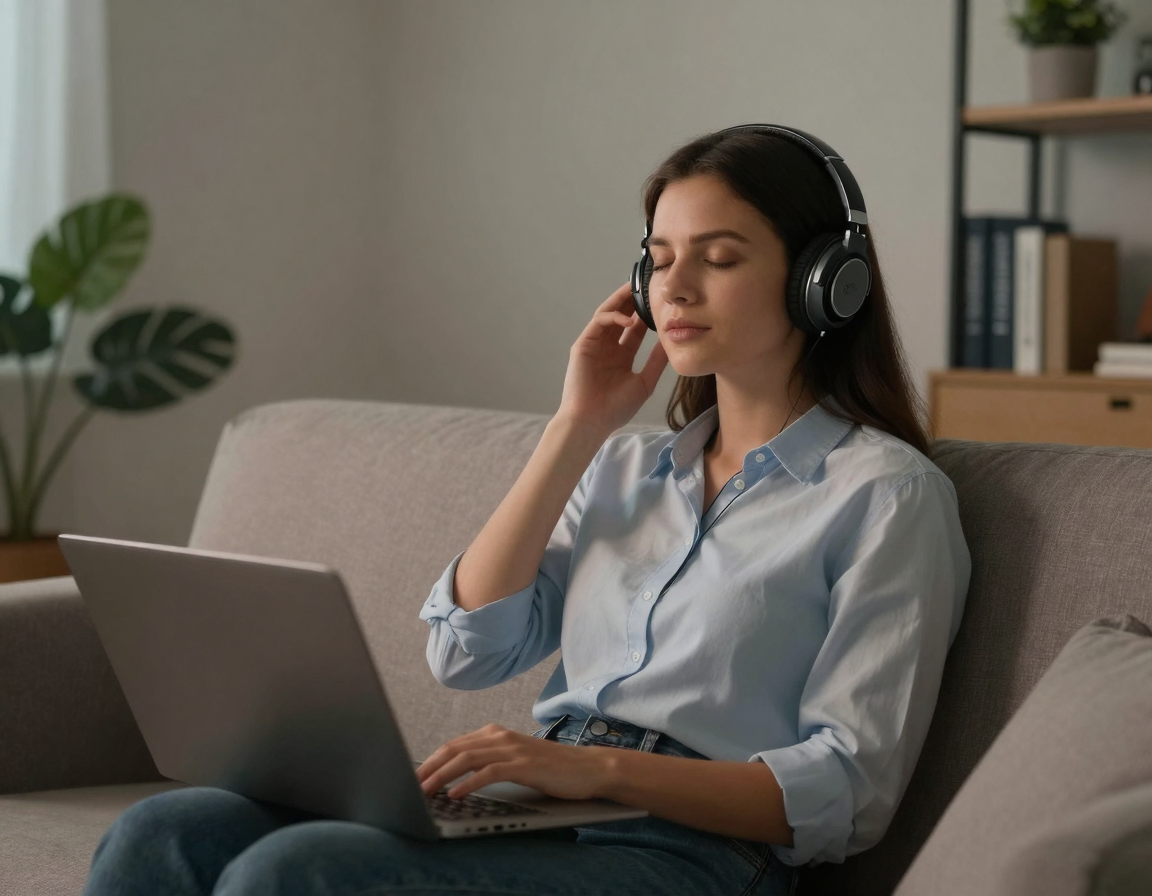
Avoid screens for at least 30 minutes before sleep, as blue light disrupts your natural sleep cycle. Replace scrolling with quiet pursuits like taking a warm bath, which raises body temperature to promote muscle relaxation and better sleep quality, or reading a physical book to reduce stress and enhance empathy.
These screen-free activities strengthen brain function, alleviate anxiety, and improve overall sleep, leading to sharper focus the next day.
5) Practice Gratitude
End your core routine on a positive note by noting three specific things you’re grateful for in a journal. This generates positive emotions, counters end-of-day stress or sadness, and fosters appreciation, as shown in mental health routine studies.
Optionally, review fond memories or contact loved ones to express thanks, enhancing happiness and emotional resilience for office workers.
6) Prepare for Restful Sleep

Wind down with a consistent bedtime ritual, including dimming lights, avoiding caffeine or heavy meals, and incorporating calming elements like guided meditation or breathwork. This protects sleep quality, ensuring you wake refreshed without work thoughts intruding.
Minimize stimulants and high-intensity activities close to bed to allow your body temperature and heart rate to normalize, supporting higher-quality rest and mental clarity.
How to Apply This in Practice
Daily After-Work Checklist:
- Mark workday end: Close devices, symbolic action (5 mins).
- Mind unload: Jot tasks/worries (5 mins).
- Relaxation: Deep breathing or yoga (10-15 mins).
- Quiet activity: Bath, read, no screens (20-30 mins).
- Gratitude: Journal 3 thanks (5 mins).
- Sleep prep: Dim lights, meditate (10 mins).
Total time: 55-75 minutes. Start small, track for one week, and adjust for consistency. Pair with earlier caffeine cutoffs for best results.
Risk Note
While these routines support mental well-being, they do not replace professional treatment for conditions like severe anxiety or depression. Consult a healthcare provider or counselor if symptoms persist, worsen, or interfere with daily life. Individual results vary based on personal health factors.