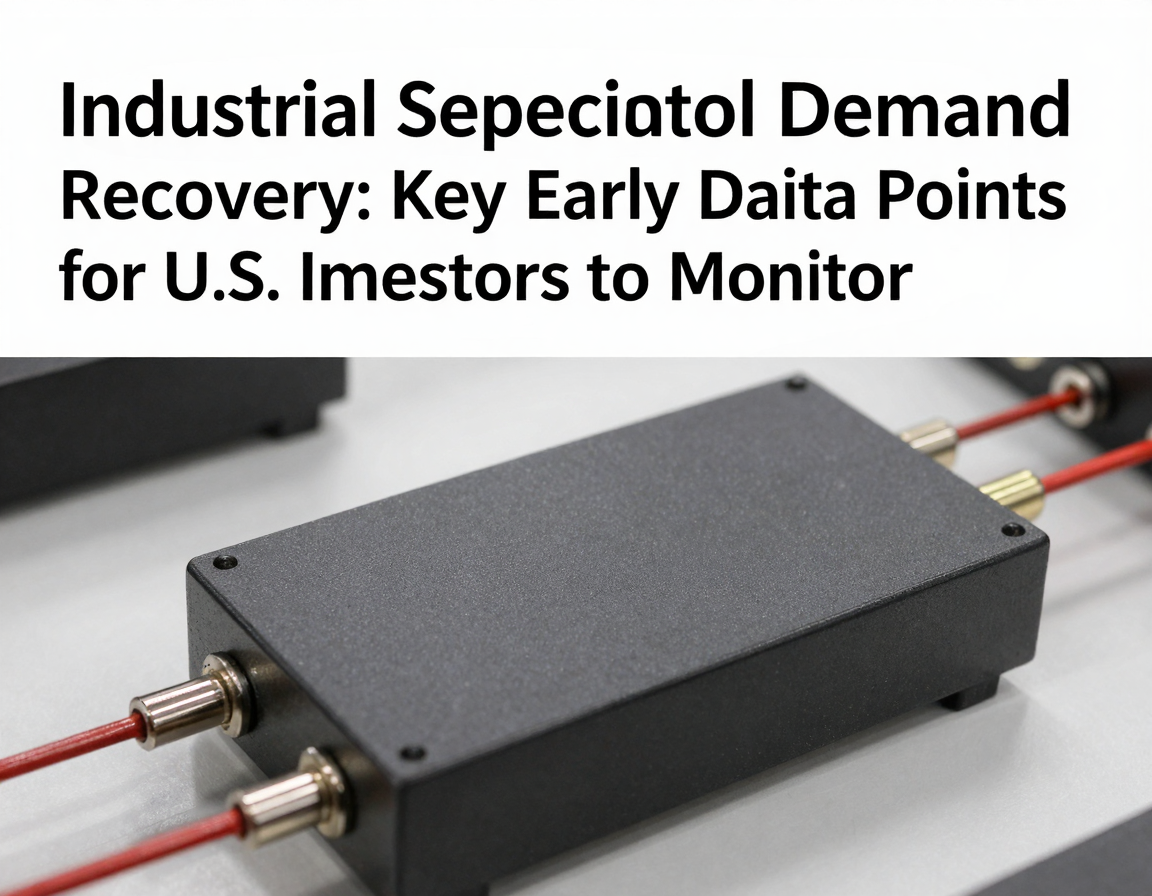
The global semiconductor industry posted record sales of $791.7 billion in 2025, up 25.6% from 2024, signaling the end of a prolonged downturn and early recovery in key segments including industrial applications. For U.S. investors, stabilizing industrial semiconductor demand offers targeted opportunities amid broader AI-fueled growth projected at over 20% into 2026, supported by easing supply chains and rising automation needs.
1)
Distributor reports like Avnet Silica’s Q4 2025 Trendliner indicate semiconductor markets are recovering, with sustained demand in industrial and automotive sectors outside the U.S.-heavy AI boom. This stabilization follows high quarter-to-quarter growth of 16% in Q3 2025 and 14% in Q4 2025, setting a strong foundation for 2026 expansion even as PC and smartphone segments face memory shortages.
2)
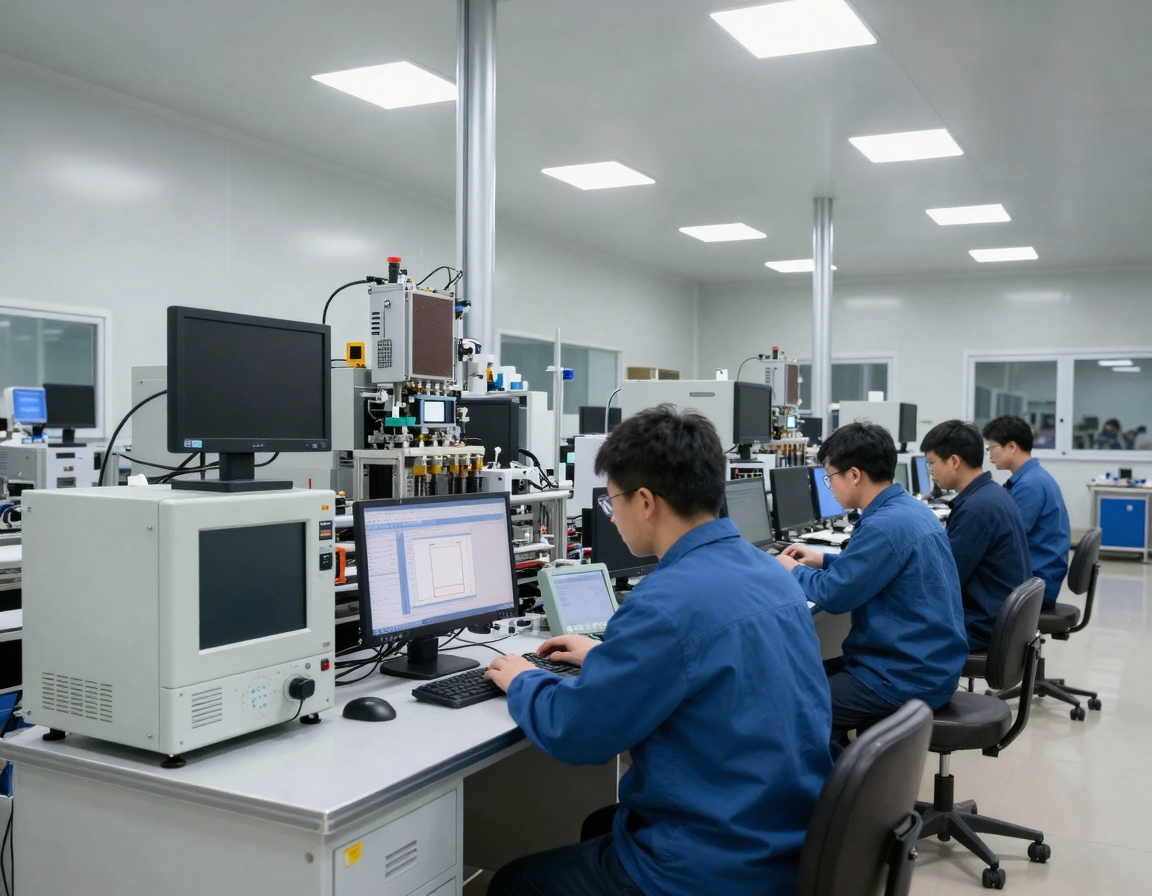
Industrial demand is rebounding alongside Edge AI applications in automation and connected devices, complementing cloud AI’s 23% CAGR primarily in data centers and 5G. Companies like NXP, STMicroelectronics, and Onsemi project modest Q1 2026 revenue gains of 2-11% tied to this industrial recovery, offsetting seasonal declines elsewhere.
3)
Memory markets lead the charge, with HBM4 upgrades driving recovery; major players like Micron forecast 37% Q1 2026 revenue growth, Sandisk 52%, and Kioxia 64%, fueled by AI but spilling into industrial high-performance needs. Global forecasts diverge but cluster above 20% growth for 2026, with Semiconductor Intelligence at 30% citing AI robustness and industrial stability.
4)
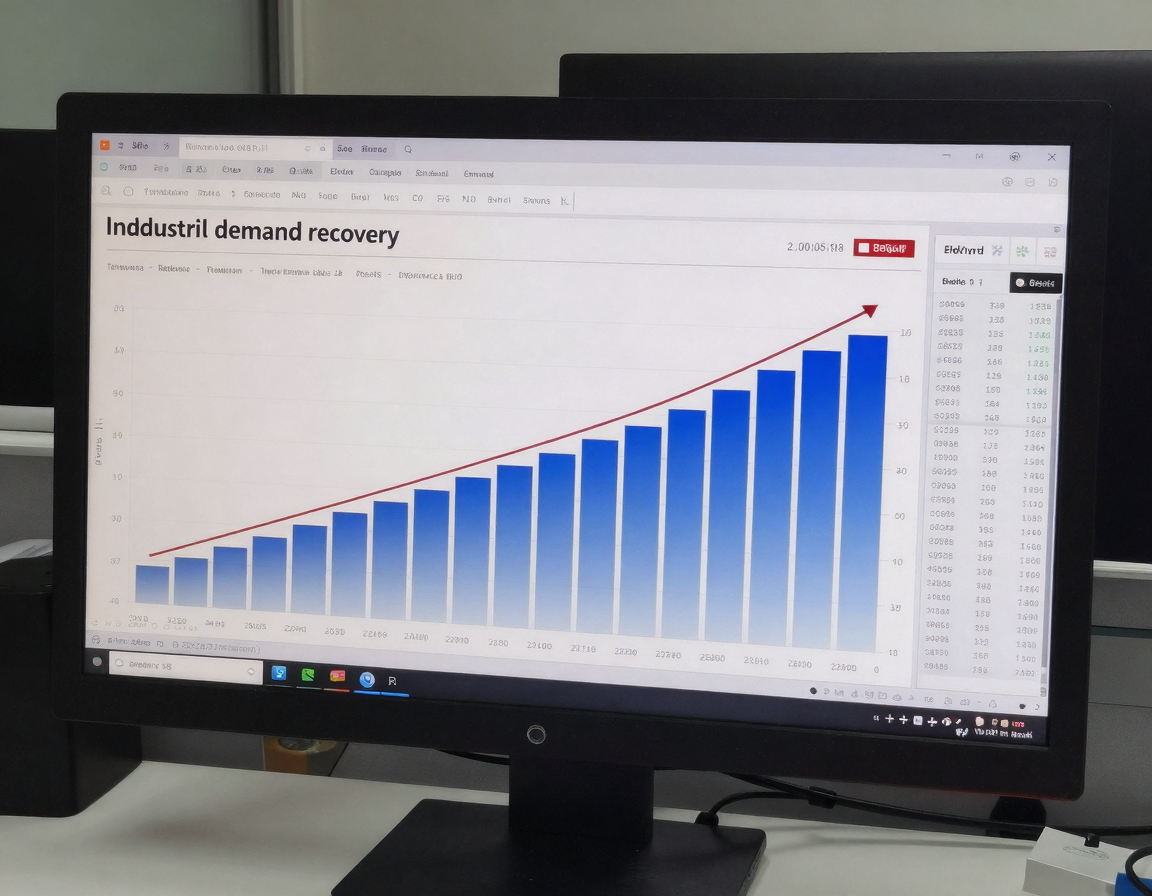
Semiconductor equipment sales hit a record $133 billion in 2025, projected to $156 billion by 2027, reflecting multi-year capex expansion in wafer fab equipment (up 11% to $115.7 billion) and test equipment (up 48.1% to $11.2 billion). U.S. CHIPS Act incentives totaling $39 billion accelerate domestic fab builds, boosting equipment demand and reshaping supply dynamics.
5)
Key early indicators include monthly sales data, with December 2025 at $78.9 billion, up 2.7% from November, pointing to consistent momentum. Foundry shifts to 2nm processes and HBM4 volume production in H1 2026 will enhance industrial efficiency in power and performance. Occupancy rates are modeled to peak at 93% in 2026, tightening supply and supporting returns.
6)

Monitor Q1 2026 earnings from industrial-focused firms like Analog Devices, which benefits from telecom and automotive stability amid AI volatility. Track WSTS updates, equipment spending by region (China, Taiwan, Korea leading), and memory pricing as proxies for broader industrial recovery confirmation.
How to Apply This in Practice
Practical Checklist for U.S. Investors:
Track these actionable data points weekly or monthly:
- Review WSTS monthly sales reports for industrial segment breakdowns versus overall growth.
- Monitor Q1 2026 earnings calls from NXP, STMicroelectronics, Onsemi for industrial revenue guidance.
- Follow equipment sales forecasts from SEMI and VLSI Research for capex trends impacting U.S. fabs.
- Watch memory price indices (HBM, LPDDR5X) via TrendForce for supply tightness signals.
- Analyze CHIPS Act funding disbursements and U.S. fab utilization rates via Commerce Department updates.
- Compare Edge AI patent filings and industrial automation orders from ISM reports.
- Screen ETFs like SMH or SOXX for industrial semi exposure versus pure AI plays.
Integrate into portfolios by allocating 10-20% to diversified semi holdings, rebalancing quarterly based on these metrics.
Risk Note
While recovery signals are positive, risks include memory shortages curbing PC/smartphone demand, potential AI growth slowdown post-H1 2026, geopolitical tensions affecting capex in Asia, and high valuations assuming flawless execution. Industrial recovery lags AI; confirm with multi-quarter data before scaling positions. Diversify and use stop-losses given cyclical volatility.