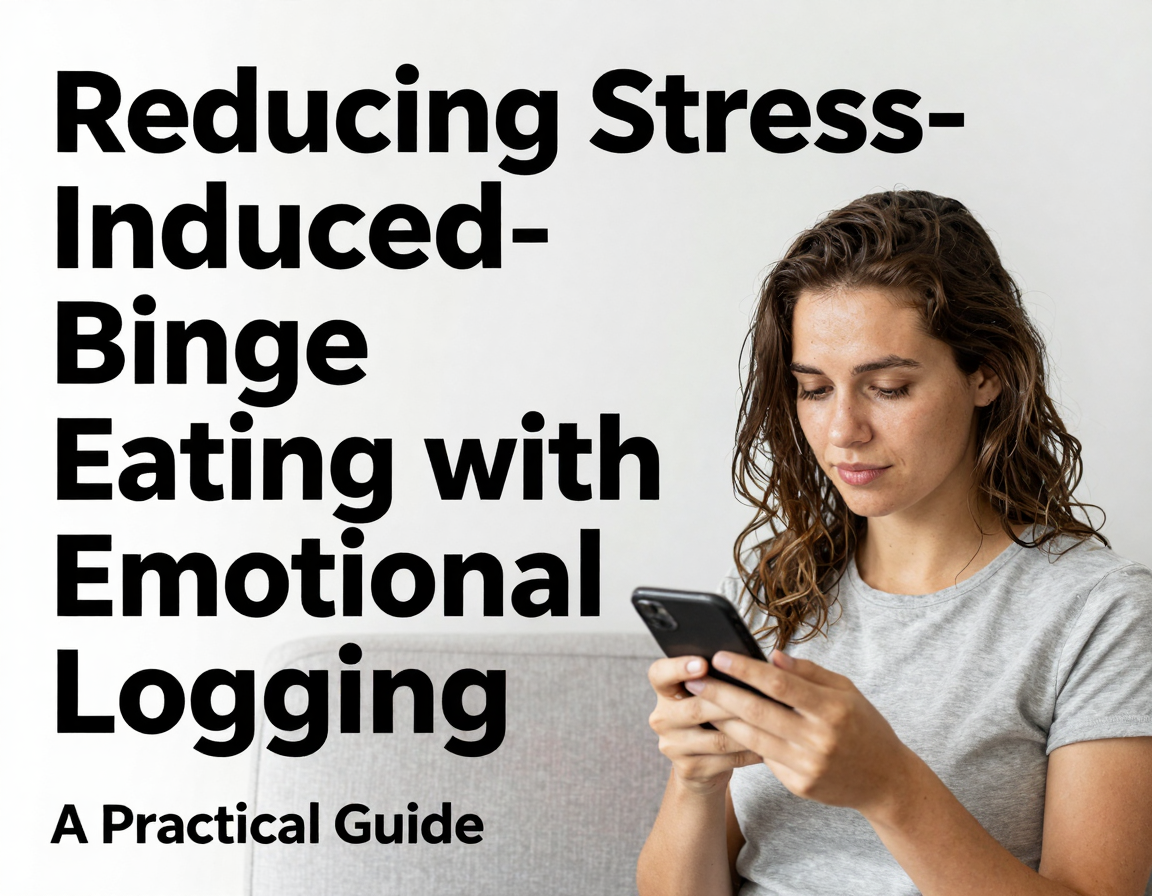
Stress-induced binge eating, often called emotional or stress eating, occurs when chronic stress activates the body’s HPA axis, releasing cortisol that prompts cravings for high-fat, high-carbohydrate comfort foods as a coping mechanism. This response provides temporary relief but can lead to weight gain and unhealthy cycles. Emotional logging, a form of self-monitoring inspired by mindfulness-based therapies like Acceptance Commitment Therapy (ACT) and Dialectical Behavior Therapy (DBT), helps by increasing awareness of emotions, triggers, and eating cues, enabling better regulation of habits.
1) Understanding Stress and Binge Eating
Chronic stress influences eating by increasing consumption of unhealthy foods while decreasing intake of healthy ones, such as fruits and vegetables. Research shows stress correlates with overeating energy-dense foods due to cortisol’s role in enhancing their appeal as rewarding under stress. Individuals prone to emotional or restrained eating are particularly susceptible, forming a positive feedback loop where stress heightens food salience. Studies confirm this dynamic in healthy adults, with meta-analyses revealing small but significant effects on unhealthy eating (Hedges’ g = 0.116).
2) What is Emotional Logging?

Emotional logging involves systematically recording emotions, thoughts, physical sensations, and eating behaviors in a journal to identify patterns linking stress to binge episodes. Rooted in mindfulness practices, it builds awareness of internal hunger/satiety cues and sensory responses during eating, countering automatic stress responses. Evidence from clinical trials supports mindfulness interventions for dysregulated eating in both subclinical and clinical populations, promoting self-regulation without restrictive dieting.
3) The Science Behind Why It Works
Mindfulness-based approaches like emotional logging reduce stress eating by interrupting the HPA-axis activation that drives comfort food cravings. Meditation and awareness practices lower stress, improving impulse control and food choice mindfulness, as shown in studies on blood pressure and heart disease. Systematic reviews link stress reduction to decreased unhealthy food intake, with logging acting as a behavioral moderator akin to those in daily diary studies. Cognitive behavioral therapy (CBT), which incorporates similar tracking, achieves remission in 60% of binge eating disorder cases.
4) Step-by-Step Guide to Starting Emotional Logging

Begin with a simple notebook or app. At key times—morning, pre-meal, and evening—note: current emotion (e.g., anxious), intensity (1-10 scale), trigger (e.g., work deadline), physical sensations (e.g., tense shoulders), and any eating urges. Before eating, pause to log hunger level and sensory anticipation. Review weekly for patterns, such as stress peaks correlating with late-night snacking. Combine with mindful eating: chew slowly, notice textures and smells. This mirrors guided meditations in DBT for trigger identification.
5) Integrating Logging with Other Stress-Reduction Tools
Pair logging with exercise, which blunts cortisol effects, or yoga combining movement and meditation. Remove high-fat/sugary foods from easy access to reduce temptation during logged stress spikes. Practice relaxation like deep breathing post-logging to address root stress. Mindful eating tips include 20-minute meals without distractions and portioning snacks. These amplify logging’s effects, as comprehensive strategies outperform isolated interventions.
6) Long-Term Benefits and Tracking Progress

Consistent emotional logging fosters lasting awareness, reducing binge frequency as users regulate via identified cues. Mindfulness sustains healthier habits, with studies showing improved mood and metabolic markers indirectly via stress control. Track progress by logging pre/post-binge weights or episodes monthly. Over time, it diminishes emotional eating’s feedback loop, promoting balanced intake of nutrient-rich foods.
How to Apply This in Practice
Daily Checklist for Emotional Logging:
– Morning: Log overnight emotions and sleep quality.
– Pre-meal: Rate hunger (1-10), note emotions/triggers.
– During meal: Eat mindfully for 20+ minutes, no screens; log sensory notes.
– Post-stress event: Record emotion, urge strength, alternative action taken (e.g., walk).
– Evening: Review day’s logs, identify patterns.
– Weekly: Calculate binge episodes vs. previous week; adjust triggers.
– Bonus: Pair with 10-minute meditation or yoga 3x/week.
Use this checklist daily for 4 weeks to build the habit. Apps like Daylio or traditional journals work well.
Risk Note
Emotional logging is a supportive tool but not a substitute for professional care. If binge eating persists, involves significant distress, or suggests an eating disorder like BED, consult a healthcare provider or therapist. Resources like the National Eating Disorders Association offer screening and support. Those with medical conditions should seek personalized advice before major habit changes.