Rampant AI demand is driving a severe supply-demand imbalance in high-bandwidth memory (HBM), with 70% year-over-year growth projected for 2026, creating a memory supercycle that favors select chipmakers while squeezing legacy DRAM availability.
This dynamic, fueled by hyperscalers like Microsoft, Google, and Amazon purchasing Nvidia’s Blackwell AI accelerators—each requiring up to 192GB of stacked HBM RAM—positions HBM producers as prime investment targets for U.S. investors amid tightening global supplies.
1) The HBM Demand Explosion
AI infrastructure expansion is the core driver, with TrendForce estimating HBM demand to surge 70% in 2026 alone, capturing 23% of total DRAM wafer output, up from 19% in 2025. Nvidia’s NVL72 rack-scale system, featuring 72 Blackwell chips and 13.4 terabytes of RAM, exemplifies this scale—equivalent to memory for thousands of high-end smartphones.
SK hynix forecasts HBM3E and emerging HBM4 to anchor this boom, with the global semiconductor market nearing $1 trillion and memory growing 30% YoY to over $440 billion. Bank of America predicts DRAM revenue up 51% and HBM market at $54.6 billion, a 58% increase.
2) Supply Constraints and Capacity Shifts
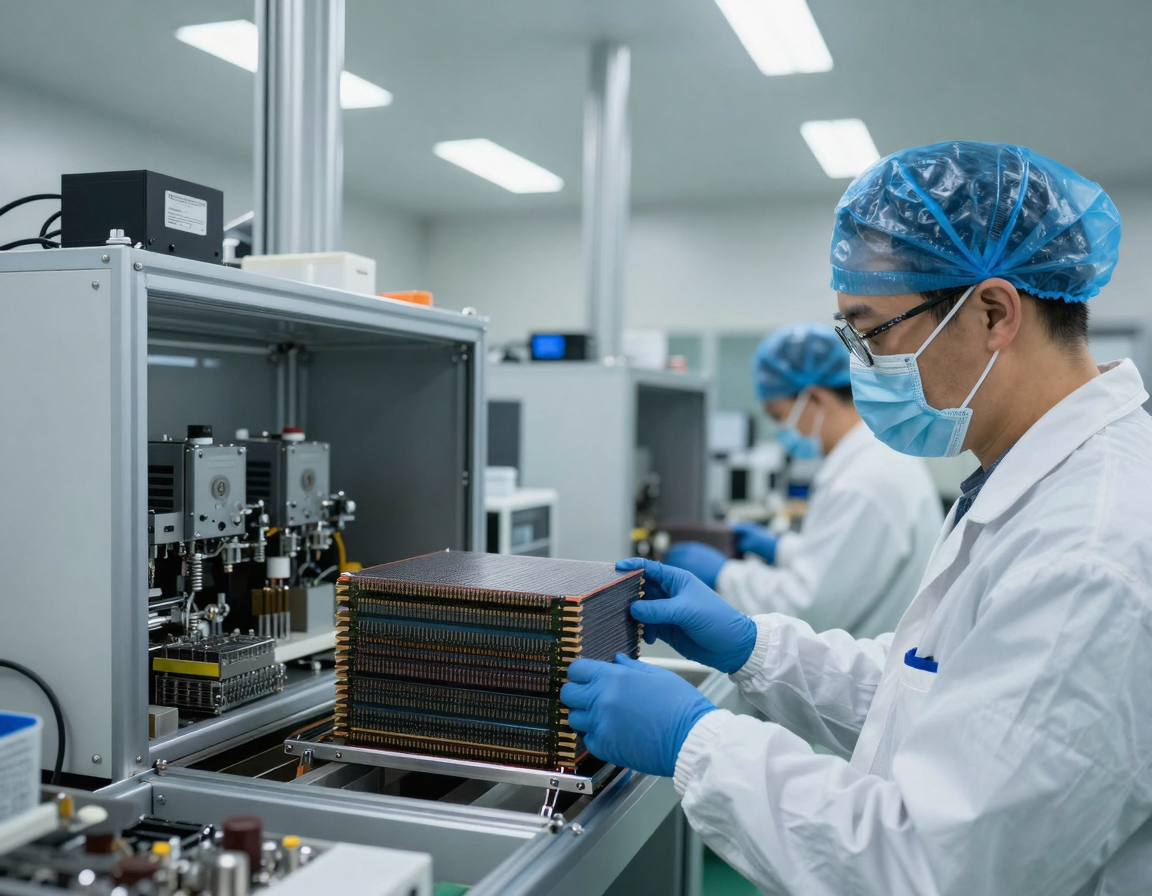
Major producers Samsung, SK hynix, and Micron are reallocating cleanroom space and capex to HBM due to its superior margins over standard DRAM, leading to shortages in legacy memory for PCs, smartphones, and servers. IDC anticipates DRAM supply growth at just 16% YoY in 2026, below historical norms, as every HBM wafer for Nvidia GPUs displaces modules for consumer devices.
GF Securities notes a 4% DRAM supply-demand gap (likely larger with low inventories), while HBM’s intricate stacking (8-12 layers) consumes premium packaging capacity. This structural undersupply persists into 2027 for DDR4/DDR5.
3) Pricing Power and Profitability Surge
HBM average selling prices (ASPs) are set to rise: 22% at Micron, 8% at Samsung, and 1% at SK hynix in 2026, reflecting capacity expansions but still elevated margins. BofA forecasts overall DRAM ASPs up 33% and NAND 26%, dubbing 2026 a supercycle akin to the 1990s boom.
SK hynix, named BofA’s top pick, leads with HBM3E comprising two-thirds of shipments, transitioning smoothly to HBM4 via partnerships with Nvidia, Google, and AWS. This prioritization improves general DRAM balance indirectly while boosting profitability.
4) Key Players Dominating the HBM Landscape
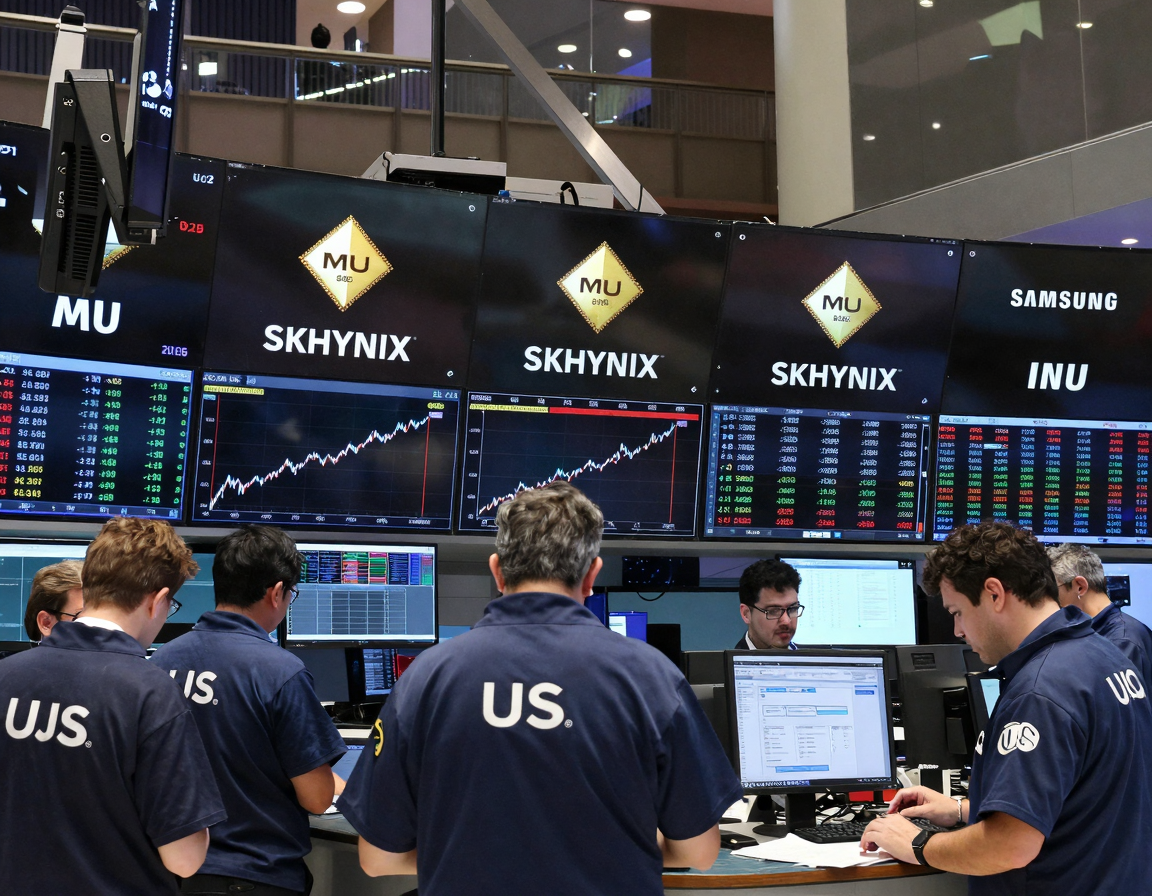
SK hynix holds HBM leadership, supplying HBM3E for Blackwell Ultra and ASIC chips, with Goldman Sachs projecting 82% demand growth for custom AI chips. Micron benefits most from ASP gains at 22%, while Samsung advances steadily.
HBM’s share pulls high-quality wafers from standard DRAM, making suppliers reluctant to expand legacy capacity amid flat consumer demand growth (low single-digits for PCs/smartphones). NAND faces similar pressures, with MLC capacity dropping over 40% post-Samsung’s 2025 phase-out.
5) Broader Market Ripples
The HBM tilt raises costs for enterprise IT, autos, and industrials, with S&P noting squeezed legacy DRAM supplies pushing prices higher amid data center pressures. Server DDR5 and eSSDs emerge as DRAM pillars alongside HBM, with storage demand rising structurally.
Global memory market scarcity strategy prioritizes AI/data-centric segments over consumer volume, reshaping value chains toward higher-margin applications. WSTS projects overall semis growth over 25% to $975 billion.
6) Investment Signals for U.S. Investors
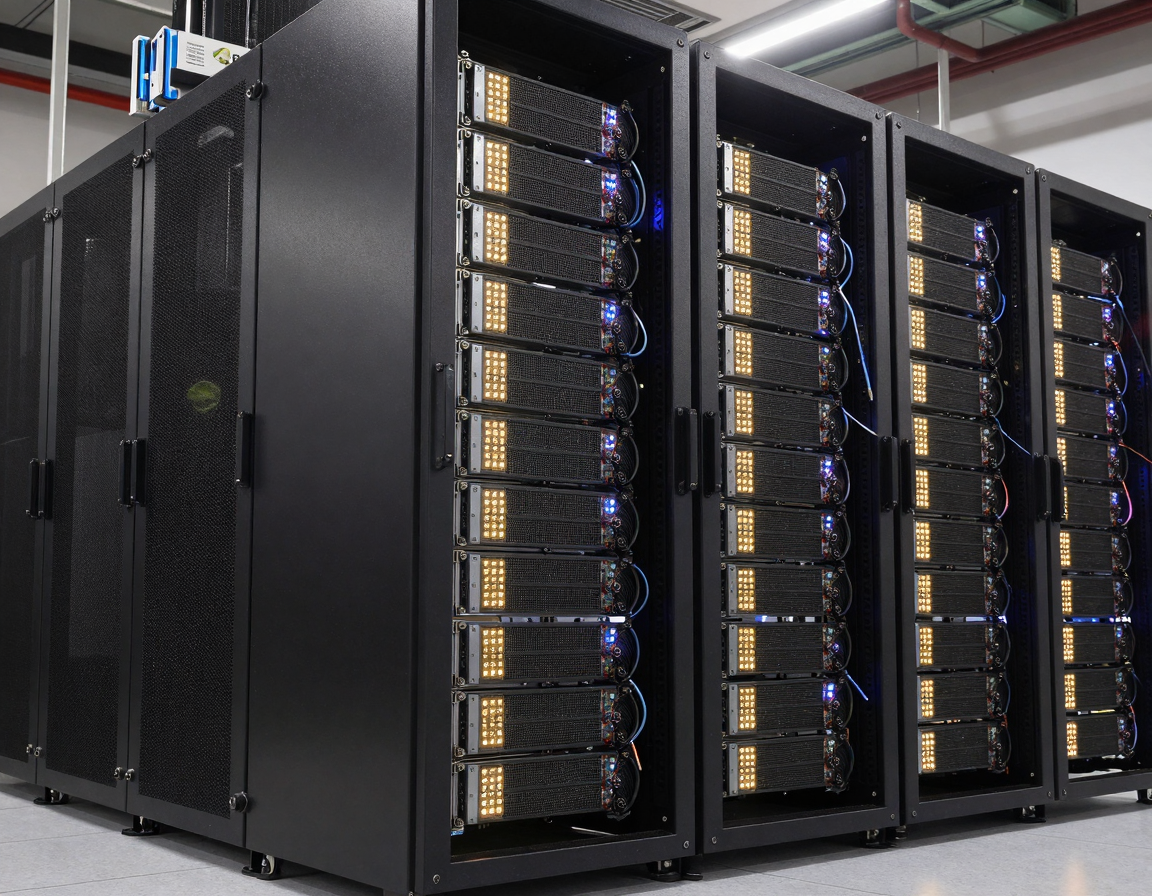
U.S.-listed plays like Micron (MU) stand out with strong HBM ASP uplift and AI exposure, while ADRs for Samsung (SSNLF) and SK hynix (HXSCL) offer direct access to leaders. Nvidia’s ecosystem amplifies HBM needs, but pure memory bets capture the full supercycle upside.
Focus on firms with HBM3E/HBM4 scale; BofA highlights SK hynix as central to AI memory momentum through 2028, when HBM could exceed 2024’s total DRAM market.
How to Apply This in Practice
Practical Checklist for Chip Investors:
1. Review holdings: Allocate 10-20% to top HBM producers (e.g., MU, SK hynix ADR) targeting 50%+ revenue growth from AI memory.
2. Monitor quarterly earnings: Watch HBM bit growth shipments and ASP trends; aim for firms hitting 60%+ HBM market share.
3. Track supply metrics: Follow TrendForce/WSTS reports for wafer allocation shifts; buy on confirmed 20%+ DRAM undersupply gaps.
4. Diversify ecosystem: Pair with GPU leaders like NVDA but overweight memory for leveraged upside (e.g., 51% DRAM revenue forecast).
5. Set position sizes: Enter on pullbacks to 50-day moving averages; target 25-30% portfolio weighting in semis amid $1T market approach.
6. Rebalance quarterly: Exit if HBM demand softens below 50% YoY; reinvest in NAND/eSSD if storage gaps widen.
Risk Note
While HBM dynamics favor bulls, risks include rapid capacity ramps eroding ASPs (e.g., SK hynix’s modest 1% rise), hyperscaler ASIC shifts reducing Nvidia reliance, or economic slowdowns curbing AI capex. Geopolitical tensions over Taiwan/China supply chains and potential inventory builds could trigger corrections; maintain stops at 15-20% below entry and monitor utilization rates below 85%.