Severe anxiety can disrupt daily life, but research-backed breathing techniques like cyclic sighing offer quick relief by slowing respiratory rate and boosting positive mood. Combining this with a consistent sleep routine enhances long-term benefits, as poor sleep exacerbates anxiety while better rest supports emotional regulation.
1) Understanding Severe Anxiety and Breathwork’s Role
Anxiety triggers rapid breathing and heightened physiological arousal, activating the sympathetic nervous system. Controlled breathing, particularly cyclic sighing, counters this by promoting parasympathetic activation, reducing heart rate variability issues, and lowering overall stress. Stanford Medicine researchers found that five minutes daily of cyclic sighing outperformed mindfulness meditation in improving mood and reducing respiratory rate among healthy volunteers over one month. Slow diaphragmatic breathing consistently shows anxiety reduction in clinical studies on diagnosed patients. This combination targets both immediate symptoms and restorative sleep.
2) What is Cyclic Sighing?
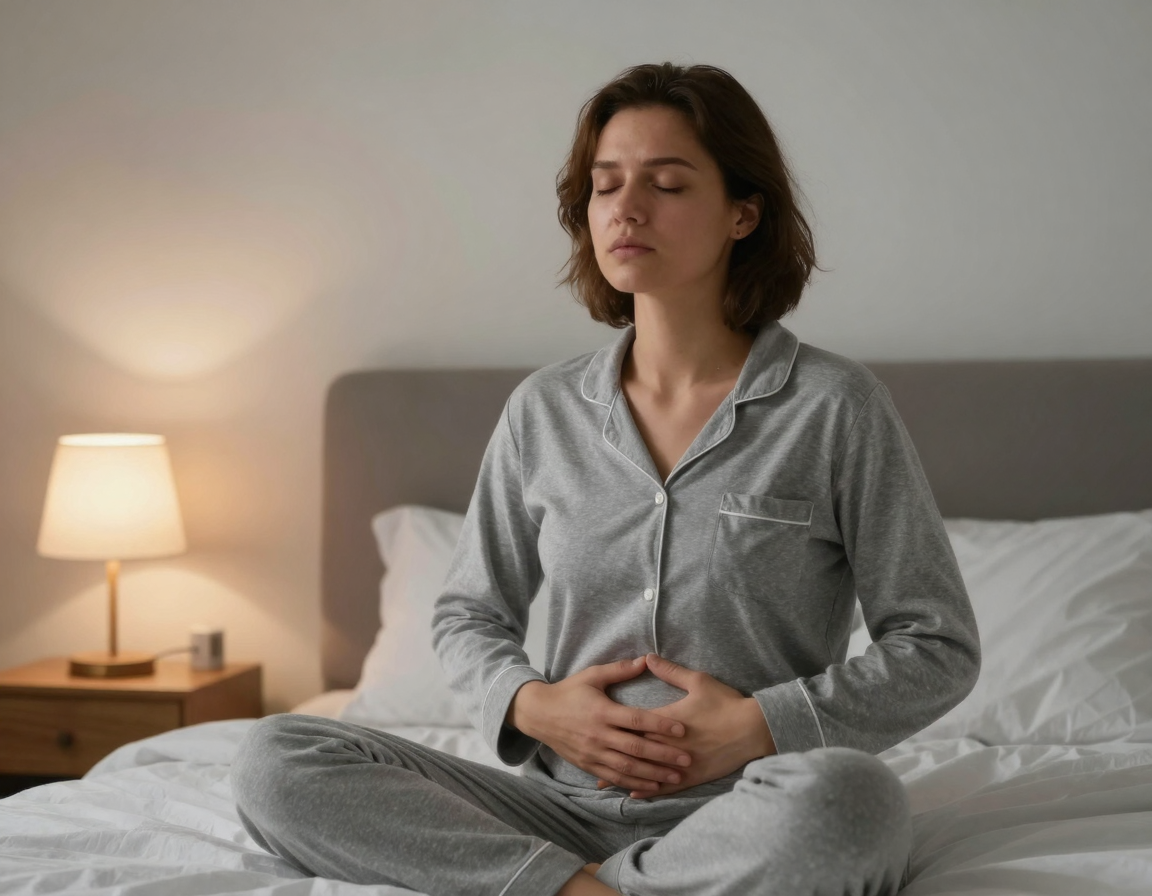
Cyclic sighing involves prolonged exhalations to reset breathing patterns. In a randomized trial, participants inhaled through the nose, then exhaled fully through the mouth twice as long as the inhale, ending with a brief breath hold. Performed for five minutes daily, it led to the greatest increases in positive affect—feelings of energy, joy, and peace—compared to other breathwork or meditation. Unlike passive mindfulness, this active control directly influences physiology, with effects accumulating over consecutive days. Studies confirm slower breathing rates persist throughout the day, correlating with better mood.
3) The Science Behind Breathing for Anxiety Relief
Breathwork reduces anxiety by addressing dysfunctional patterns like hyperventilation, which heightens CO2 sensitivity in the amygdala, a fear center. A review of 16 studies on clinically diagnosed anxiety patients found slow diaphragmatic and controlled breathing significantly improved symptoms in 31% of cases. Cyclic sighing specifically lowered resting respiratory rates more than alternatives, with changes inversely linked to positive mood gains. Effective practices last at least five minutes, avoid fast paces, and benefit from repetition. This physiological shift calms the body faster than meditation alone.
4) Building an Effective Sleep Routine
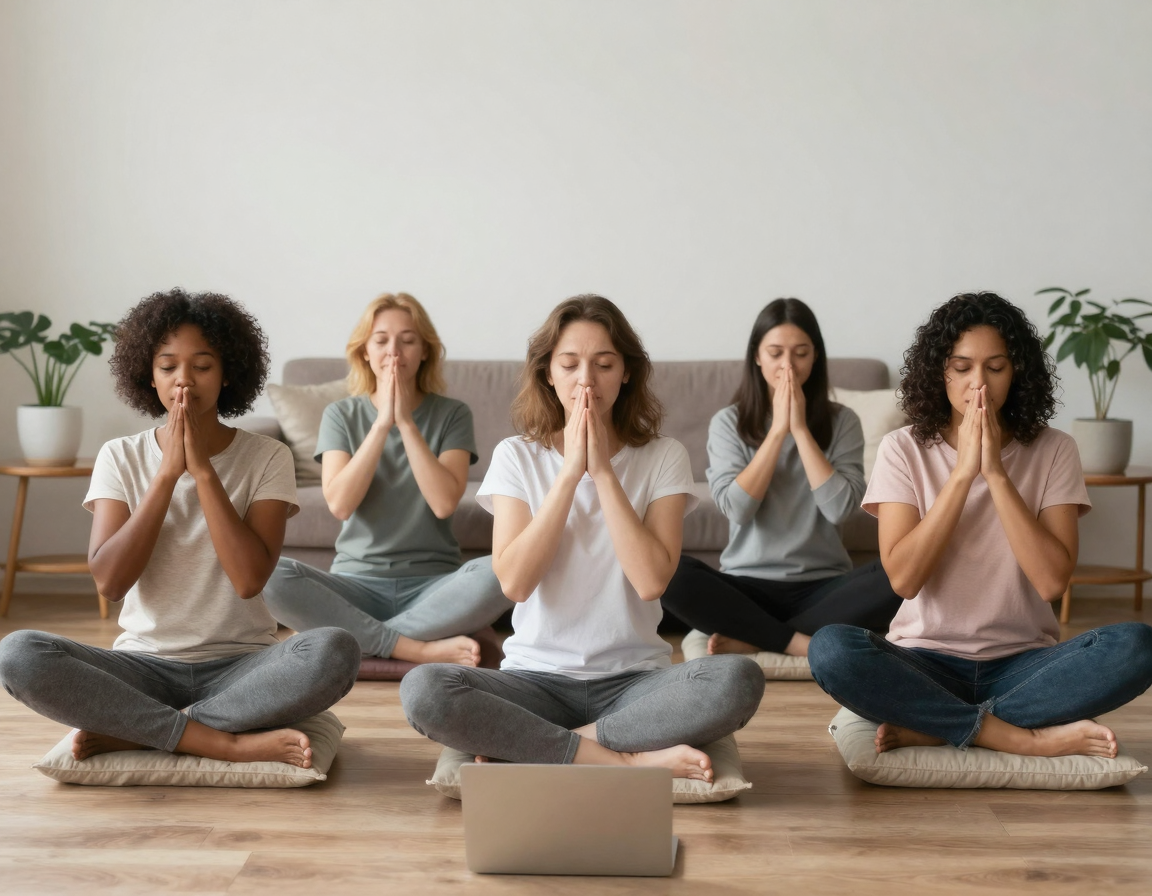
A structured evening routine prepares the body for quality sleep, crucial since sleep deprivation amplifies anxiety. Start dimming lights two hours before bed to boost melatonin, avoid screens 60 minutes prior due to blue light disruption, and maintain a cool, dark room. Incorporate light stretching or reading, aiming for consistent bed and wake times. Research links poor sleep hygiene to sustained anxiety; routines fostering seven to nine hours nightly enhance emotional resilience and consolidate breathwork gains from the day.
5) Why Combine Breathing with Sleep Practices
Evening cyclic sighing bridges daytime stress relief with nighttime recovery. Practiced before bed, it slows breathing into sleep, reducing nighttime awakenings common in anxiety. Studies show breathwork’s mood benefits persist, while sleep routines prevent anxiety rebound. Together, they create a feedback loop: lower arousal aids sleep onset, and restored sleep improves next-day resilience to stress. This synergy maximizes parasympathetic dominance, as supported by evidence on breath control’s autonomic effects.
6) Expected Benefits and Tracking Progress
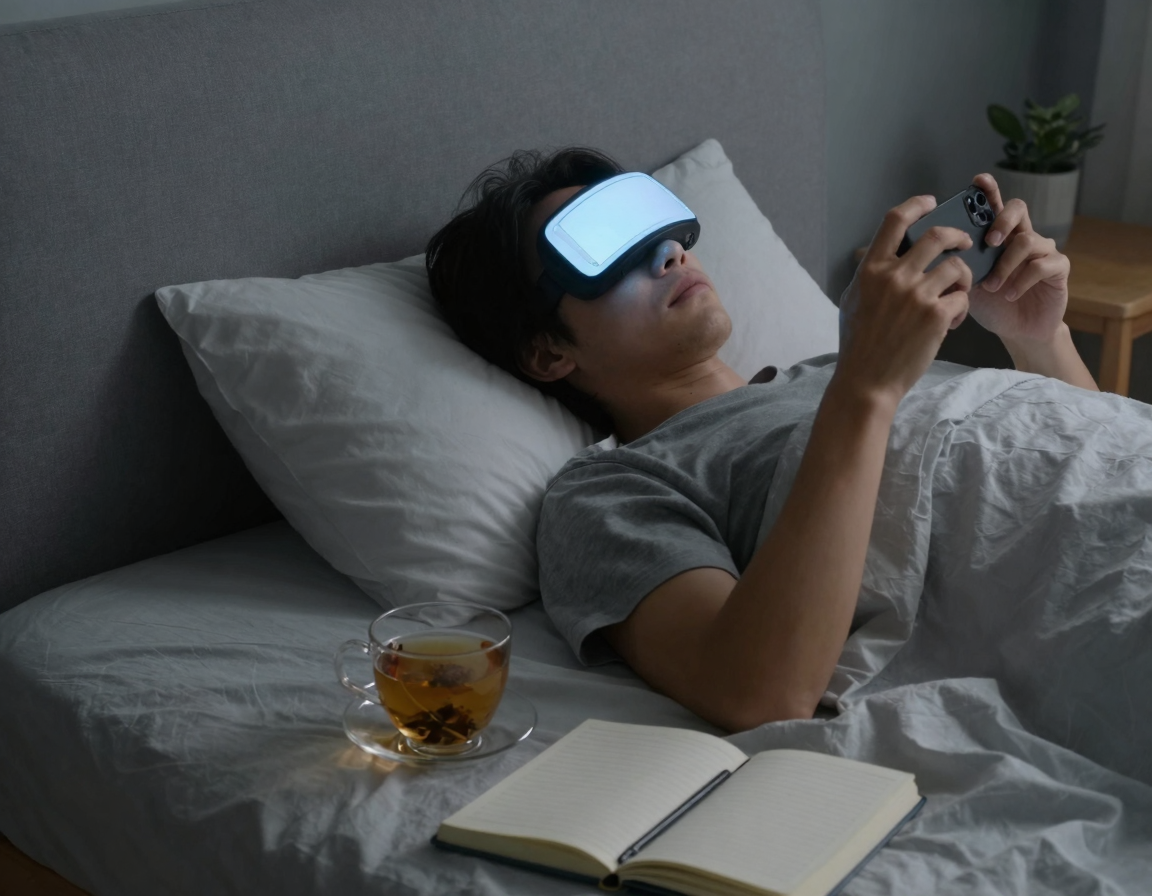
Daily practice yields measurable improvements: reduced state anxiety, heightened positive affect, and normalized respiratory rates within weeks. Stanford trial participants reported up to one-third greater mood gains with cyclic sighing. Track via journals noting pre/post-session anxiety levels (1-10 scale), mood, and sleep quality. Apps monitoring heart rate variability can quantify parasympathetic shifts. Long-term, expect fewer anxiety episodes and better emotional flexibility, as slow breathing enhances cerebral and psychological adaptability.
How to Apply This in Practice
Practical Checklist:
- Evening 5-minute cyclic sighing: Inhale nose 4 seconds, exhale mouth 8 seconds (double length), hold briefly, repeat.
- Dim lights 2 hours before bed; no screens 1 hour prior.
- Journal gratitudes or worries for 5 minutes post-breathing.
- Sip caffeine-free tea like chamomile; avoid heavy meals.
- Set bedroom to 60-67°F (16-19°C), use earplugs/eye mask if needed.
- Consistent schedule: Bed by 10 PM, wake 6-7 AM.
- Morning check-in: Note sleep quality and anxiety baseline.
- Practice daily for 30 days minimum for cumulative effects.
Integrate into evenings: After dinner, find a quiet spot for cyclic sighing, then transition to wind-down steps.
Risk Note
These practices suit general anxiety management but are not substitutes for professional care. Consult a doctor for diagnosed disorders, pregnancy, respiratory conditions, or if dizziness/hyperventilation occurs. Studies excluded moderate-severe psychiatric cases; seek therapy or medication if symptoms persist.