Potential U.S. Federal Reserve rate cuts in 2026, now forecasted by major banks like Goldman Sachs at two quarter-point reductions to 3-3.25%, could drive a rotation in equity leadership away from high-growth tech stocks toward cyclical and value sectors, amid Iran war-induced inflation pressures delaying easing.
1)
The Federal Reserve’s March 18, 2026, meeting is expected to hold rates steady due to rising energy prices from the Iran war, complicating earlier cut expectations and shifting forecasts for 2026. Economists at EY-Parthenon now predict only one 0.25-percentage-point cut in December 2026, or none at all, while some like Carson Group’s Sonu Varghese warn of possible hikes if inflation spirals. This hawkish tilt stems from headline and core PCE inflation forecasts rising, potentially keeping borrowing costs elevated and pressuring growth-sensitive equities.
2)

Bank forecasts vary widely: Goldman Sachs anticipates cuts in March and June 2026 after a January pause, driven by accelerating GDP growth to 2-2.5% from tax cuts and easier conditions, stabilizing unemployment near 4.4%. Barclays expects a single September cut, down from multiple, while Morgan Stanley sees later, larger cuts if activity weakens, though looking through energy shocks. Bankrate projects three cuts totaling 0.75 points, reflecting a dovish new FOMC with six dovish voters. These scenarios imply lower rates could boost borrowing for capex-heavy sectors like industrials and financials.
3)
Historically, rate cut cycles favor **value and cyclical equities** over growth stocks, as cheaper capital lifts small-caps, banks, and energy firms while compressing tech multiples. Goldman Sachs notes stable equity markets and cooling core PCE to 2% by mid-2026 could enable this shift, assuming no tariff second-round effects. Current leadership in mega-cap tech, buoyed by high rates rewarding quality, may cede ground if funds rate falls to 3-3.25%, per Goldman, redirecting flows to undervalued sectors.
4)
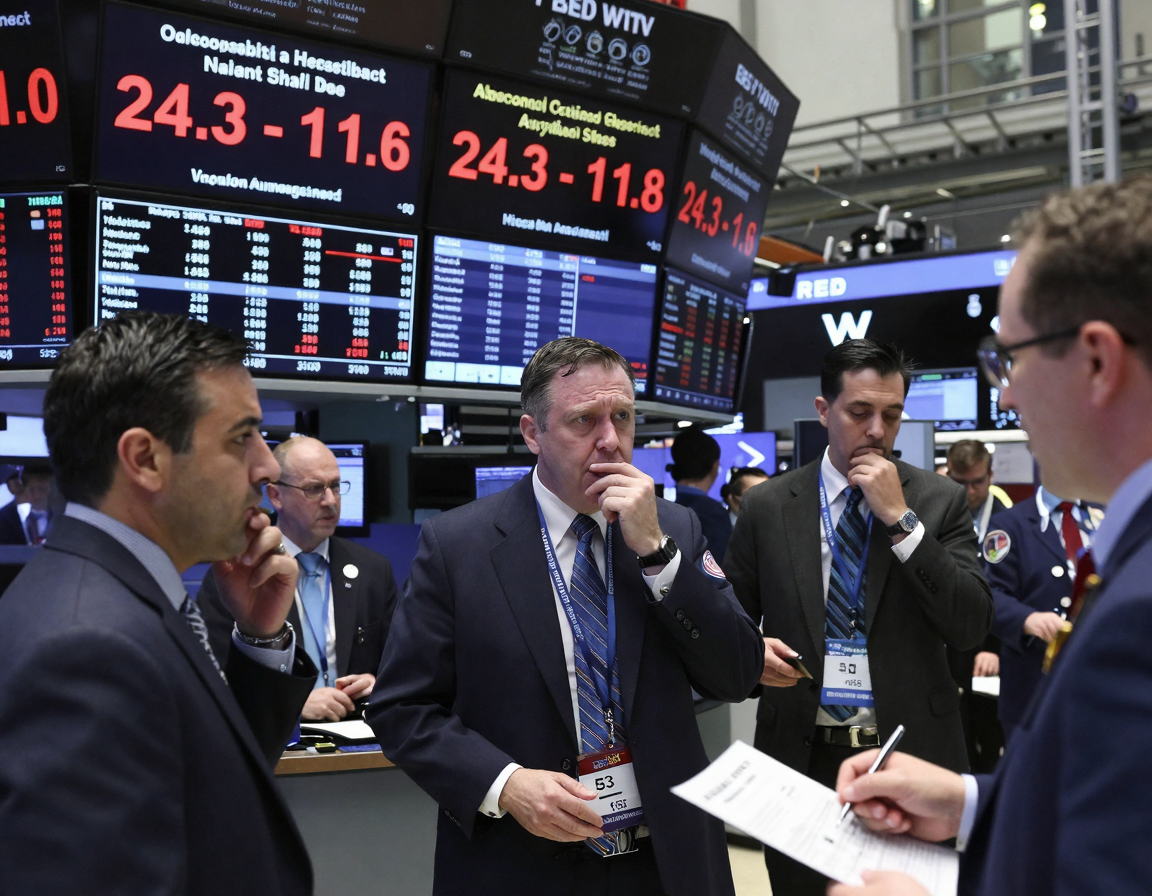
Sector implications are stark: financials stand to gain from steeper yield curves post-cuts, as net interest margins expand; industrials benefit from lower borrowing costs spurring infrastructure and manufacturing. High Frequency Economics’ hawkish view of 3.5% inflation by summer underscores risks, but if cuts materialize as per CME FedWatch’s December odds, cyclicals like materials and consumer discretionary could outperform. Labor market cooling, with strategists eyeing support via easing, further tilts toward domestic-focused equities.
5)
Small-cap and value indices, lagging in high-rate environments, show sensitivity to Fed easing; Russell 2000 has historically rallied 20-30% in post-hike cut phases. Fed officials like Austan Goolsbee signal cuts if inflation eases, while Beth Hammack cites persistent pressures, highlighting the pivot point for equity rotation. Tax cuts from the One Big Beautiful Bill Act, injecting $100 billion, may fuel growth but stoke inflation, per analysts, balancing dovish pressures.
6)

Global factors, including Iran war oil shocks, have pushed Goldman Sachs and Barclays to delay cuts from June to September/December, reducing 2026 easing pace. J.P. Morgan anticipates one more cut aligning with consensus, amid January 2026 hold. Equity leadership reshape hinges on FOMC’s Summary of Economic Projections today, potentially confirming stagflation fears or dovish relief, steering investors toward resilient cyclicals.
How to Apply This in Practice
- Monitor FOMC SEP today for 2026 dot plot shifts; dovish revisions signal rotation trades.
- Overweight financials, industrials, small-caps via ETFs like XLF, XLI, IWM; trim tech-heavy QQQ if cuts price in.
- Track core PCE and oil prices weekly; breaches above 2.5% delay cuts, favoring defensives.
- Position for yield curve steepening: favor banks over utilities.
- Rebalance quarterly, using CME FedWatch for cut probabilities above 60% to scale in cyclicals.
- Hedge with gold or TIPS if hawkish hike risks emerge from energy inflation.
Risk Note
Forecasts diverge sharply: no cuts or hikes possible if Iran war escalates inflation to 3.5%, per High Frequency Economics, crushing rate-sensitive equities. Tariff pass-through, labor weakness, or Trump policy volatility could derail dovish paths, leading to stagflation and broad market drawdowns. Investors face high uncertainty; past performance does not guarantee future results amid geopolitical risks.