1) Understand Why You Reach for Energy Drinks
Energy drinks may provide short-term boosts in energy levels and focus, but the long-term effects of regular consumption are not fully understood. Many people turn to energy drinks because lack of sleep is an important contributor to fatigue. Before switching to alternatives, identify your primary reason for consuming energy drinks—whether it’s genuine low energy, habit, or the ritual itself. This awareness makes it easier to select the most appropriate replacement.
2) Switch to Matcha for Smooth, Sustained Energy
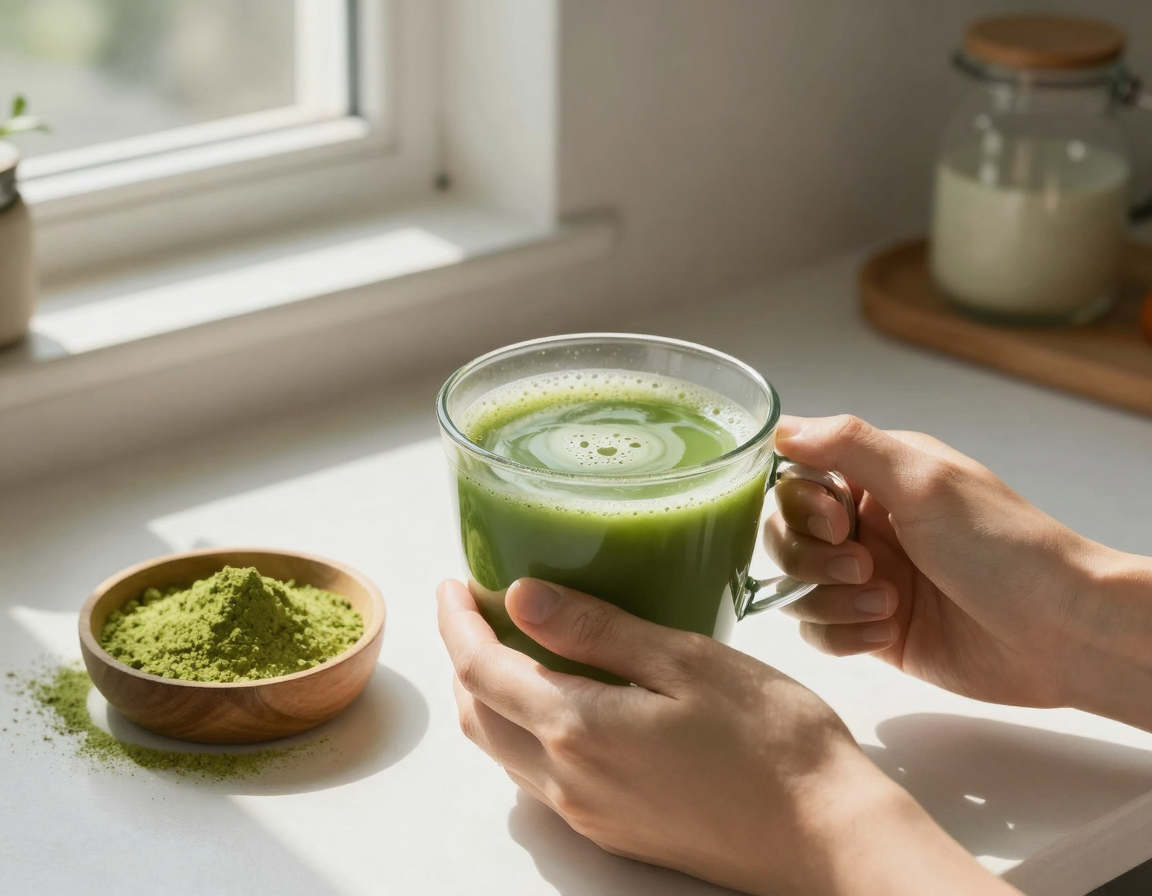
Matcha is a powdered green tea that contains caffeine but also provides L-theanine, an amino acid that promotes calmness. This combination gives a smoother, more sustained energy boost compared to coffee. The L-theanine in matcha balances the caffeine release, which can prevent the sharp spikes and crashes associated with other caffeinated drinks and mitigates the jitters many experience. Matcha is high in antioxidants and can help promote healthy weight and good heart health, while boosting brain and heart health, which contributes to feeling awake and alert. You can find matcha easily in the grocery store aisle alongside other teas, making it a convenient swap for your morning routine.
3) Explore Yerba Mate for Jitter-Free Alertness
Yerba mate comes from the leaves of the Ilex paraguariensis plant and is gaining popularity as a healthier energy drink alternative due to its unique combination of caffeine, theobromine, and vitamins. The caffeine in yerba mate offers a clean, jitter-free energy boost, while theobromine (also found in chocolate) promotes relaxation and mental clarity. This makes it a solid choice for those looking to stay alert without feeling anxious, whether for work or study. Yerba mate provides the stimulation you seek from energy drinks without the artificial additives and excessive sugars.
4) Try Kombucha for Gut Health and Natural Energy
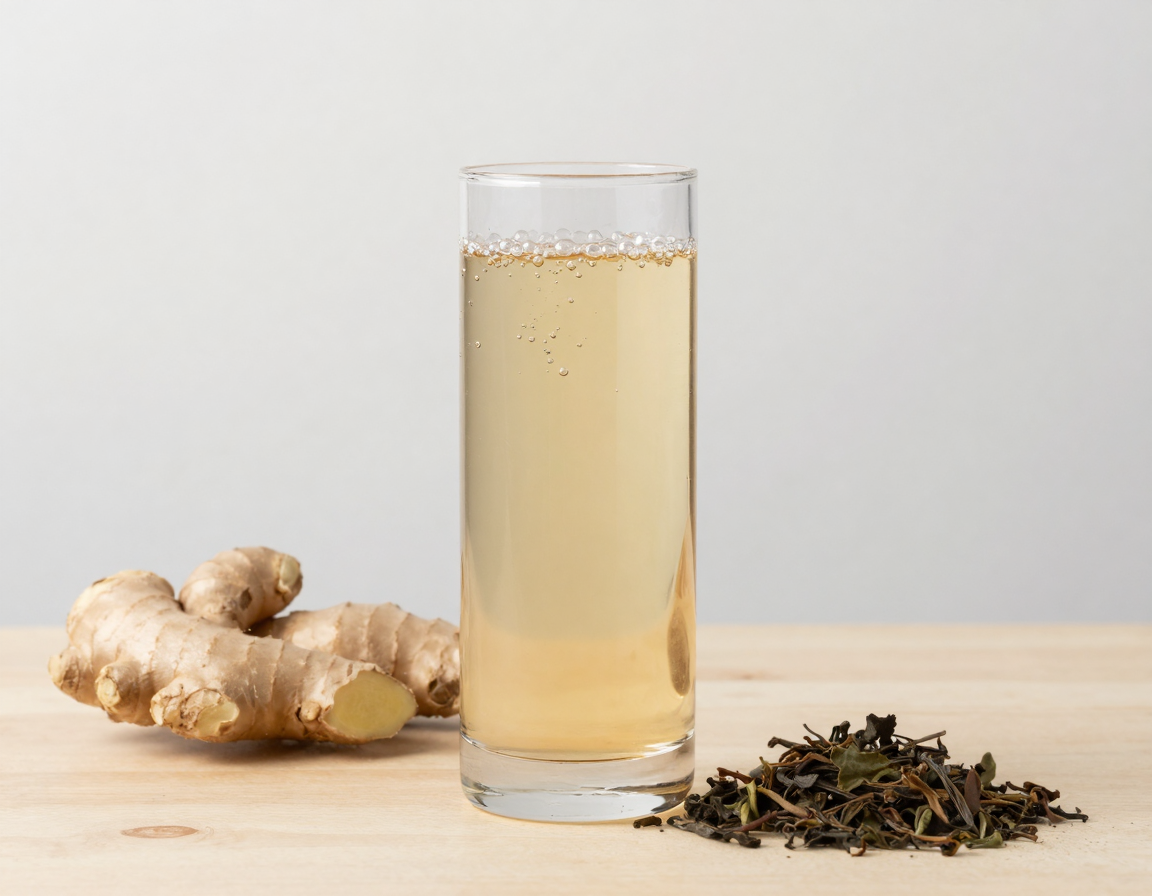
Kombucha is a fermented tea drink that provides probiotics for gut health. While some varieties contain small amounts of caffeine, many are naturally caffeine-free. The natural fizziness and B vitamins in kombucha can help improve energy levels and give you a healthier option to soda. The fermentation process brings out probiotics that support gut health, and a healthy gut is the foundation of overall health. It helps improve digestion and energy levels, making kombucha a great option for those looking for more than just a caffeine jolt. However, read the nutrition label of kombucha before buying, as many have added sugars. Experts don’t recommend making kombucha at home, and it naturally contains trace amounts of alcohol—usually not enough to cause intoxication—but this may be important for people in recovery from alcoholism or those sensitive to any alcohol to consider.
5) Prioritize Hydration and Nutrient-Dense Beverages
Water is the healthiest alternative to energy drinks. It promotes hydration without caffeine or added sugars, and ensures every cell in your body functions optimally. If you want something flavorful without the extra calories, squeeze a fresh lemon, lime, or orange into your water bottle. Coconut water is another unique alternative that boosts hydration and energy simultaneously. It’s low in calories yet rich in electrolytes like potassium and magnesium, which help replenish and rehydrate the body after physical exertion. While you won’t get the same tangible lift from coconut water as you would from coffee or tea, the subtle energy boost comes from hydration itself, which combats fatigue and makes for a great post-workout option or refreshing midday drink.
6) Address the Root Cause: Sleep and Nutrition

Lack of sleep is an important contributor to fatigue and leads to the use of energy drinks to compensate. The average adult should get at least six hours of sleep a night, but eight is much better. If you’re not logging enough hours in bed, try a daytime nap. Beyond sleep, a hearty, healthy meal provides sustained energy more effectively than any beverage. You can boost your recovery and energy with foods high in antioxidants, like blueberries, strawberries, oranges, broccoli, asparagus, or sweet potatoes. Having a snack that combines carbohydrates with protein 30 to 60 minutes after a hard workout—such as peanut butter on whole grain toast or yogurt topped with fruit—provides sustained energy without crashes. Natural sources like complex carbohydrates and proteins provide a steady release of energy, preventing the spikes and crashes associated with sugary drinks.
How to Apply This in Practice
Week 1-2: Replace one daily energy drink with matcha or yerba mate. Keep a water bottle with you at all times and add fresh citrus for flavor.
Week 3-4: Introduce kombucha as an afternoon alternative. Evaluate your sleep schedule and aim to add 30 minutes more sleep per night if possible.
Week 5+: Focus on meal timing and nutrient density. Eat a balanced breakfast with protein and complex carbohydrates. Replace remaining energy drinks with your preferred alternative from this guide.
Practical Checklist:
☐ Identify your primary reason for drinking energy drinks (fatigue, habit, ritual)
☐ Purchase matcha powder or yerba mate from your local grocery store
☐ Buy a reusable water bottle and keep it filled throughout the day
☐ Stock kombucha in your refrigerator for afternoon cravings
☐ Plan one balanced meal per day with protein and complex carbohydrates
☐ Set a target bedtime and aim for 7-8 hours of sleep
☐ Prepare a post-workout snack combining carbs and protein
☐ Track your energy levels daily to identify which alternatives work best for you
Risk Note
While these alternatives offer significant health advantages over traditional energy drinks, individual responses vary. Some people may experience sensitivity to caffeine even in lower amounts found in matcha or yerba mate. If you have underlying health conditions, take medications, or are pregnant or breastfeeding, consult with a healthcare provider before making significant dietary changes. Additionally, while natural energy boosters offer sustained energy levels and nutrient-rich profiles, they work best when combined with adequate sleep, regular physical activity, and balanced nutrition. Avoiding artificial additives and excessive sugars lowers the risk of health issues such as obesity, diabetes, and cardiovascular diseases, but sustainable energy management requires a holistic approach to health rather than relying on any single beverage.