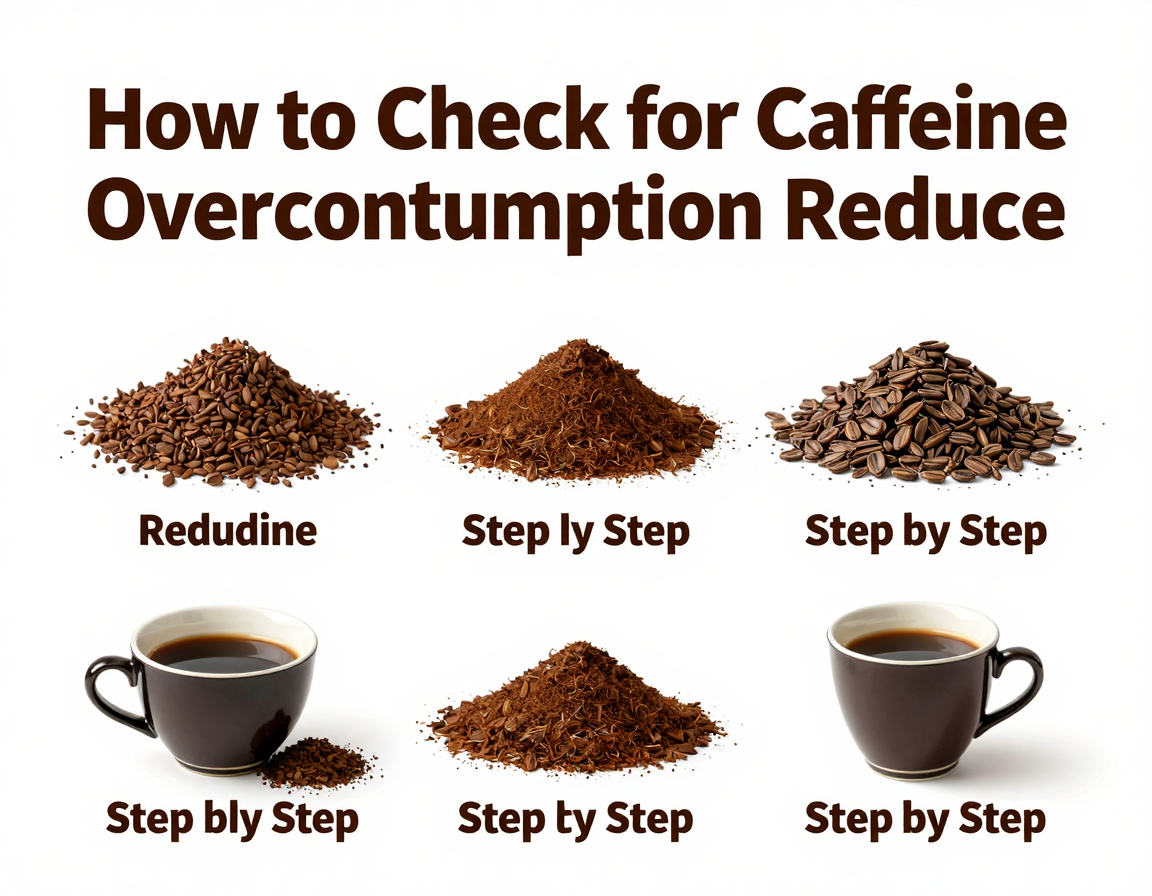
Caffeine is a widely consumed stimulant found in coffee, tea, energy drinks, and sodas, providing benefits like increased alertness and focus when taken in moderation. However, overconsumption can lead to adverse effects such as insomnia, anxiety, heart palpitations, and more severe risks, particularly in adolescents who metabolize it slower than adults.
1)
To check for caffeine overconsumption, first understand safe limits: adults should not exceed 400 mg daily, equivalent to about 4 cups of coffee, while adolescents face higher risks even at lower amounts due to reduced metabolism. Common sources include coffee (80-100 mg per cup), energy drinks (60-100 mg per can), and sodas (30-50 mg per can).
Track your daily intake by listing all sources: note the type and quantity of caffeinated items consumed. For example, two cans of cola can exceed limits for children under 30 kg, causing nausea, vomiting, and anxiety. Use apps or a journal to log milligrams; many products list caffeine content on labels.
2)

Recognize key symptoms of overconsumption, which vary by sensitivity but include insomnia, nervousness, anxiety, and heart palpitations as caffeine stimulates the brain and increases heart rate. Other signs are gastrointestinal issues like increased stomach acid leading to reflux, headaches, dizziness, and dehydration.
In adolescents, excessive intake links to higher suicidal ideation risks: weekly high-caffeine energy drink consumption raises odds 1.24-3.89 times compared to non-consumers. High doses (400 mg+) cause arrhythmias, blood pressure spikes, especially risky for those with heart or mental health conditions.
3)
Prepare for reduction by understanding withdrawal: sudden cuts can cause headaches, fatigue, irritability, and worsened sleep as the body adjusts from dependence. Caffeine blocks adenosine, a sleep-promoting chemical; over time, tolerance builds, requiring more for effects.
Assess your baseline: calculate average daily mg over a week. Positive effects like focus occur at low doses, but negatives dominate beyond limits. Consult a doctor if you have pre-existing conditions like heart disease, where even moderate intake heightens risks.
4)
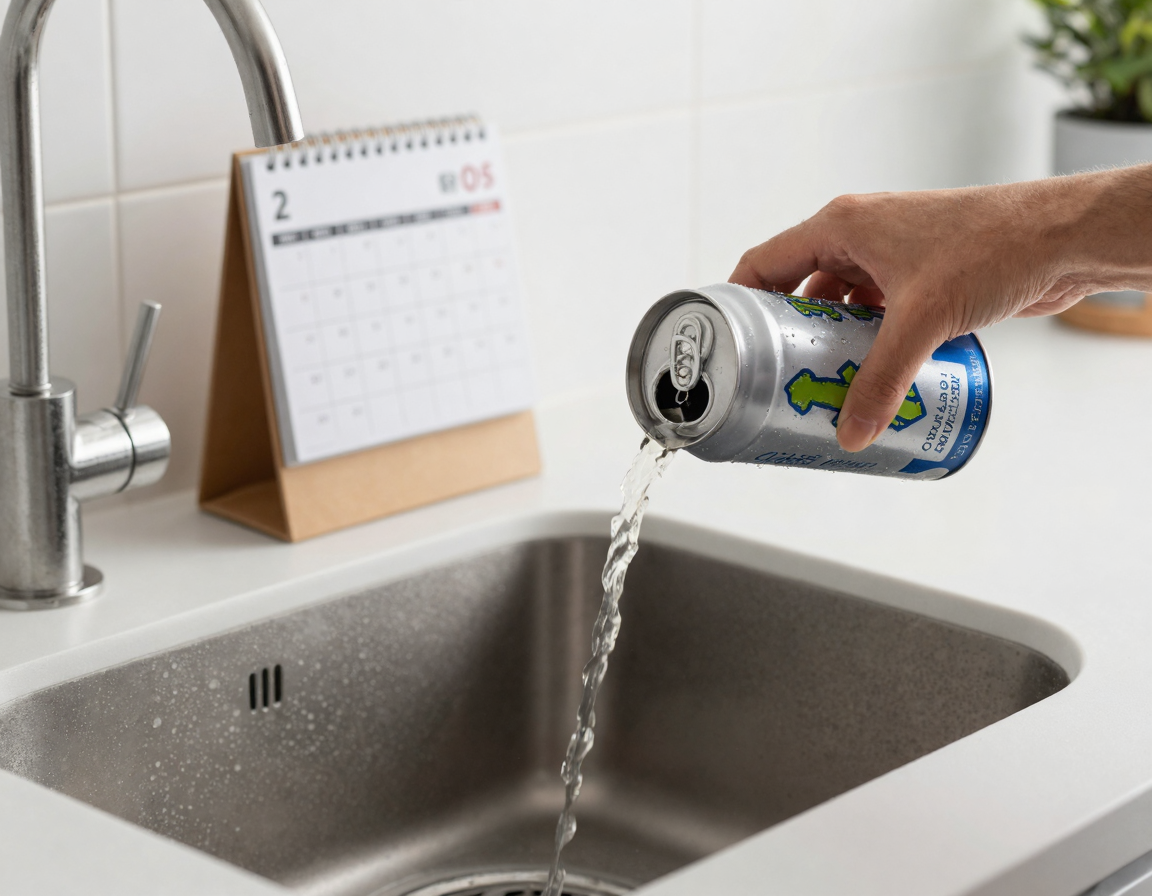
Implement gradual reduction in week 1: cut intake by 25% daily, e.g., from 400 mg to 300 mg. Replace one coffee with decaf or herbal tea; swap energy drinks for water or fruit-infused alternatives.
Time intake early: consume before noon to minimize sleep disruption, as caffeine’s half-life is 5-6 hours. Hydrate extra, aiming for 8-10 glasses of water daily to counter diuretic effects.
5)
In weeks 2-3, reduce another 25% (to 200 mg or less): eliminate late-day sources entirely. Introduce non-caffeine boosters like exercise, nuts, or short walks for natural energy.
Monitor sleep: aim for 7-9 hours nightly; track improvements in a log. Manage cravings with deep breathing or mindfulness, as anxiety from withdrawal peaks early but fades.
6)

Maintain long-term: cap at 200 mg or less, focusing on whole foods and routines. Adolescents should avoid energy drinks due to amplified risks like violence or substance use links.
Reassess monthly; if symptoms persist, seek professional help. Benefits include better sleep, stable mood, and nutrient absorption (caffeine hinders iron and calcium).
How to Apply This in Practice
Practical Checklist for Reducing Caffeine:
- Log daily intake (mg) from all sources for 3 days.
- Identify top 3 sources and plan 25% cut for week 1.
- Set phone reminders: no caffeine after 2 PM.
- Stock alternatives: decaf coffee, herbal teas (chamomile, peppermint), sparkling water.
- Track symptoms daily: sleep hours, energy levels, heart rate.
- Hydrate: 2-3 liters water daily; eat balanced meals to stabilize blood sugar.
- Exercise 30 min/day: walking or yoga for natural alertness.
- Week 2: cut another 25%; reward progress (non-food treat).
- If headache occurs, use cold compress, rest; avoid resuming caffeine.
- Review after 4 weeks: adjust if needed, consult doctor for ongoing issues.
Risk Note
Overconsumption risks severe outcomes: acute high doses (400 mg+) cause arrhythmias, vomiting, seizures; chronic use heightens addiction, glaucoma risk via elevated intraocular pressure, and in youth, suicide ideation or fatal accidents. Those with heart/mental conditions or pregnant individuals face amplified dangers—seek immediate medical help for symptoms like chest pain or severe anxiety. This guide is informational; not a substitute for professional advice.