1) Understanding Protein Powder Basics
Protein powder is a convenient supplement designed to help you meet your daily protein intake goals. It comes in powder form that you mix with milk, water, or other beverages to create a shake. The primary advantage of protein powder is convenience—you know exactly how much protein you’re consuming in each serving, eliminating the need to calculate macros from whole foods.
Protein powders serve multiple purposes depending on your fitness goals. Whether you’re recovering after a workout, building muscle, losing weight, or simply looking for a quick breakfast option, protein powder can be an effective tool. However, it’s important to understand that protein powder is a supplement, not a replacement for a balanced diet rich in whole foods.
2) Whey Protein: The Most Popular Option
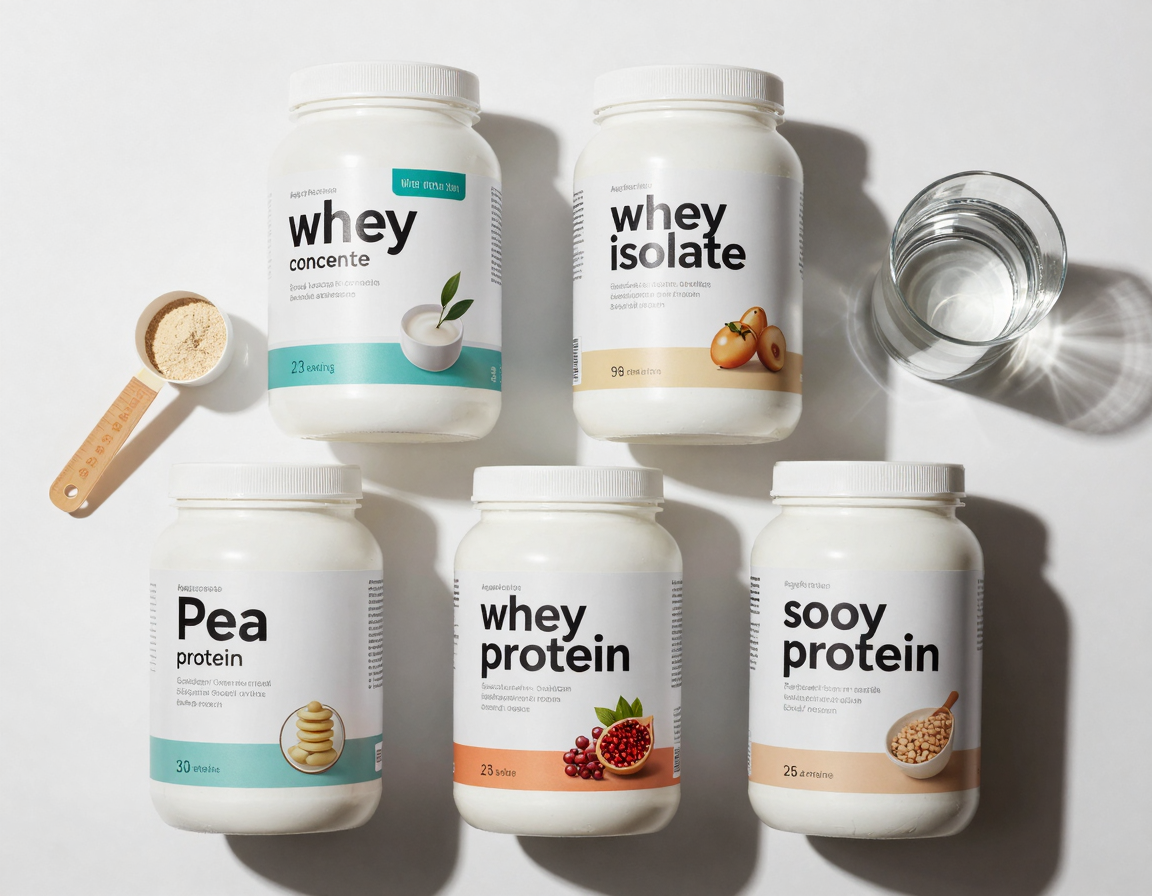
Whey protein is derived from milk and is one of the most researched and widely used protein supplements. It’s highly regarded for its rapid absorption and rich amino acid profile, making it an excellent choice for post-workout recovery. Whey protein contains high levels of leucine, a key amino acid that plays a pivotal role in stimulating muscle protein synthesis.
Whey protein comes in several forms, each with different processing levels. Whey concentrate retains more of the nutrients found in the original protein source and typically contains some carbohydrates and fats along with the protein. Whey isolate is a more processed version that contains more protein per weight, with most of the fat and lactose removed through additional filtration. Each serving of whey isolate comes in at under 100 calories, making it better for anyone looking to boost their protein intake while managing calorie consumption.
Clear protein, made from high-quality hydrolyzed whey protein isolate, offers all the benefits of a complete amino acid profile and high protein content while being a light and refreshing shake. This option is ideal for summer and anyone who struggles to consume a creamy shake before or after workouts.
3) Plant-Based Protein Options
Plant-based protein powders are excellent alternatives for vegetarians, vegans, and individuals with lactose intolerance or dairy allergies. Common plant-based options include soy, pea, rice, and hemp proteins, each with distinct nutritional profiles.
Soy protein is a complete protein, meaning it contains all nine essential amino acids in adequate amounts. It has been shown to have similar effects on muscle protein synthesis as whey protein and may offer additional health benefits, such as supporting heart health and reducing cholesterol levels. Pea protein is highly digestible, hypo-allergenic, and economical. It’s a good source of arginine, an amino acid important for various bodily functions. Brown rice protein is 100% plant-based and gluten-free, making it suitable for people with multiple dietary restrictions. Hemp protein is also 100% plant-based and provides a good source of omega-3 fatty acids.
While some plant-based proteins like rice protein are not complete proteins on their own, they can be combined with other plant-based proteins to create a complete amino acid profile. Many manufacturers now offer blended plant-based options that combine different protein sources to ensure you receive all essential amino acids.
4) Comparing Whey and Plant-Based Proteins
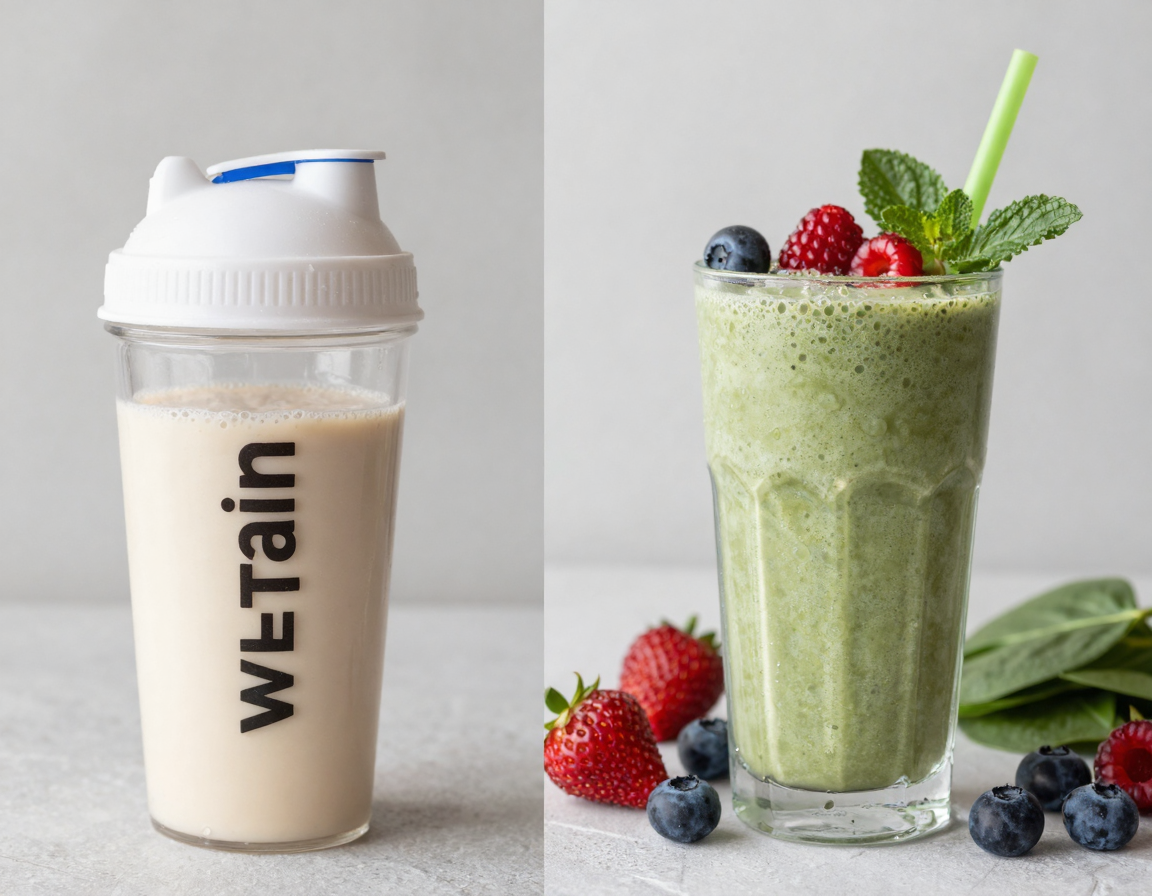
When choosing between whey and plant-based proteins, several factors should influence your decision. For muscle building, whey protein and whey isolates are your best options due to their high biological value—a measure of how well the body can absorb and utilize a protein. Research indicates that whey appears to be better at stimulating muscle growth in older adults than plant proteins, though plant-based options can still be effective when properly combined.
For weight loss, both whey and plant-based options can work, but you should choose shakes with no added sugars or dextrins/maltodextrins (sweeteners made from starch). Avoid products with added branched-chain amino acids (BCAAs), as they help promote muscle growth and weight gain rather than weight loss. Plant-based proteins often have a higher protein-to-carb ratio, which can be advantageous for weight management.
Cost is another consideration. Plant-based options like pea protein are often more economical than whey isolates. However, you should compare the cost per serving of different protein powders to find one that fits within your budget without compromising quality. A cheaper powder might have less protein per serving, meaning you’d need to use more and end up spending just as much overall.
5) Matching Protein Powder to Your Goals
Your fitness and health goals should be the primary driver of your protein powder choice. For building muscle, choose a powder that gives you plenty of high-quality protein—aim for products with 25-35 grams of protein per serving. Look for powders with added nutrients like fiber, vitamins, and minerals that support muscle growth and overall health.
For weight loss, select shakes with no added sugars and low carbohydrate content (5-15 grams per serving). These formulations help you manage calorie intake while maintaining adequate protein consumption. Some diet-specific protein blends are designed with additional ingredients to help manage the nutritional gaps that can occur during weight loss diets.
If you follow a vegan lifestyle, soy protein isolate is a great choice for building muscle, while clear vegan protein made from pea protein is perfect if you’re trying to lose weight. Pea protein isolate is also a good option for toning, as it has a high protein-to-carb ratio. For those with diabetes, choose protein shakes without added sugar and avoid products with sugar listed as one of the first three ingredients. Look for shakes that are low in carbohydrates.
6) Reading Labels and Making Smart Purchases
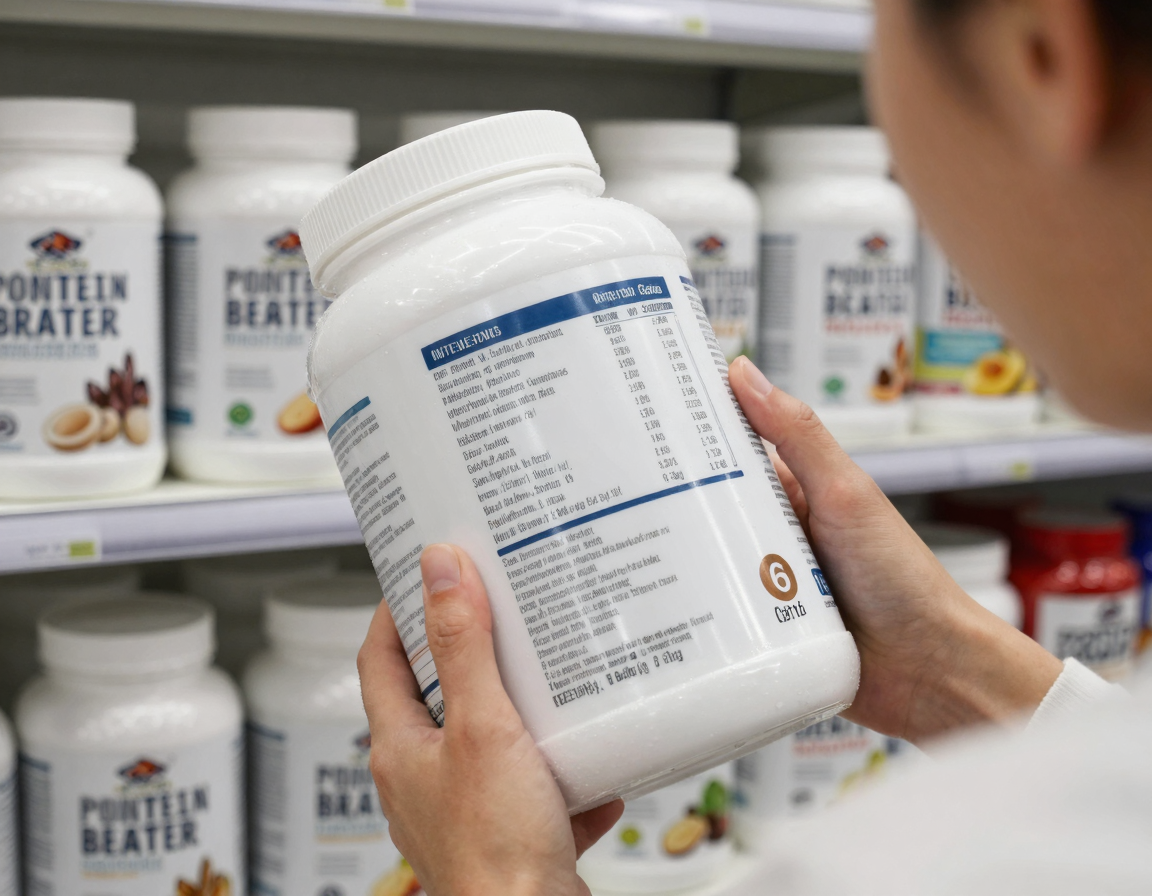
Before purchasing any protein powder, carefully examine the nutrition label and ingredient list. Check the amount of protein per serving, the carbohydrate and fat content, and whether added sugars are present. Don’t automatically choose the cheapest option—a lower price might indicate lower protein content or inferior ingredient quality.
Look for certifications like NSF Certified for Sport, which ensures the product has undergone rigorous testing for banned substances and meets high-quality standards. These certifications are particularly important if you’re an athlete subject to drug testing. Consider whether the powder contains any ingredients you’re allergic to or prefer to avoid.
Pay attention to the preparation instructions and whether the powder mixes easily. Some powders require a blender, while others mix well with just a shaker bottle. Consider your lifestyle and choose a product that fits your routine. If you struggle with creamy shakes, clear protein options might be more appealing. If you prefer thicker, more satisfying shakes, concentrate-based powders might be better suited to your preferences.
How to Apply This in Practice
Start by identifying your primary fitness goal: muscle building, weight loss, recovery, or general health. This will narrow down your options significantly. Next, consider your dietary preferences and restrictions. If you consume dairy, whey protein is a proven, cost-effective option. If you’re vegan or lactose intolerant, choose a plant-based option like soy or pea protein.
Purchase a small quantity first—many brands offer single-serving packets or smaller containers—to test whether you like the taste and how your body responds. Mix the powder with milk or water as directed, or enhance the protein content of your morning oatmeal or yogurt by mixing in a scoop of protein powder. Stir well to ensure even distribution.
Determine your optimal protein intake by consulting with a healthcare professional, nutritionist, or fitness expert. Factors such as your activity level, age, weight, and fitness objectives influence how much protein you require. As a general guideline, most people benefit from 0.7-1 gram of protein per pound of body weight daily, but individual needs vary.
Remember that protein powder is a valuable supplement, but balance remains paramount. Prioritize a diverse, whole-food-based diet alongside strategic protein supplementation. Use protein powder to fill gaps in your nutrition, not as a primary food source.
Risk Note
While protein powder is generally safe for most people, certain considerations apply. Individuals with kidney disease should consult their healthcare provider before significantly increasing protein intake. Some people may experience digestive discomfort from protein powder, particularly if they have a sensitive stomach or lactose intolerance—in these cases, plant-based or lactose-free options may be more suitable. Always check ingredient lists for potential allergens, as protein powders may contain common allergens like milk, soy, or tree nuts. If you’re pregnant, nursing, or have any underlying health conditions, consult with your healthcare provider before adding protein supplements to your routine. Quality varies among brands, so purchase from reputable manufacturers and look for third-party testing certifications to ensure product safety and accuracy of nutritional claims.