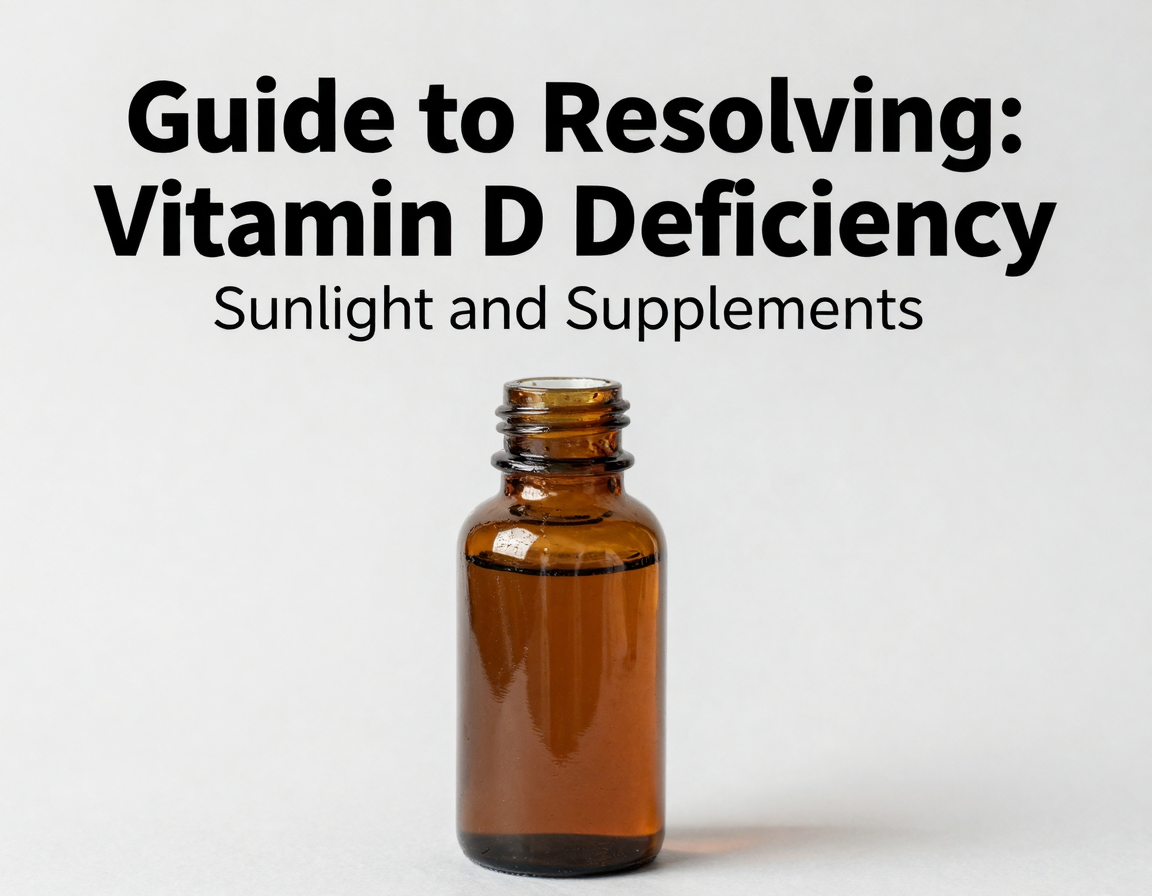
Vitamin D deficiency is common and can lead to muscle weakness, bone pain, fatigue, and serious conditions like rickets in children or osteomalacia in adults. This guide provides practical, evidence-informed strategies using sunlight and supplements to address it safely.
1) Understanding Vitamin D Deficiency
Vitamin D is essential for calcium absorption, bone health, and muscle function. Deficiency often goes unnoticed but causes symptoms like fatigue, muscle aches, bone or joint pain (especially in the back, hips, or legs), weakness, and mood changes such as depression. In children, it may result in bowed legs, delayed growth, or irritability; in adults, weakened bones increase fracture risk. Many remain asymptomatic, but chronic low levels raise osteoporosis and fall risks.
2) Why Sunlight is the Best Natural Source

The body produces vitamin D when skin is exposed to UVB rays from sunlight. About 10-30 minutes of midday sun on face, arms, and legs several times a week suffices for most people, depending on skin tone, location, and season. Darker skin requires longer exposure due to melanin blocking UVB. Aim for non-burning exposure; the body self-regulates to prevent overdose from sun.
3) Optimizing Sunlight Exposure Safely
Expose 25% of skin (arms, legs, face) to sun between 10 AM and 3 PM when UVB is strongest, without sunscreen initially. Lighter skin needs less time (10-15 minutes); darker skin may need 30-60 minutes. In winter or northern latitudes, sunlight may be insufficient, so combine with other methods. Avoid burning, as it increases skin cancer risk; build tolerance gradually.
4) Choosing and Using Supplements Effectively
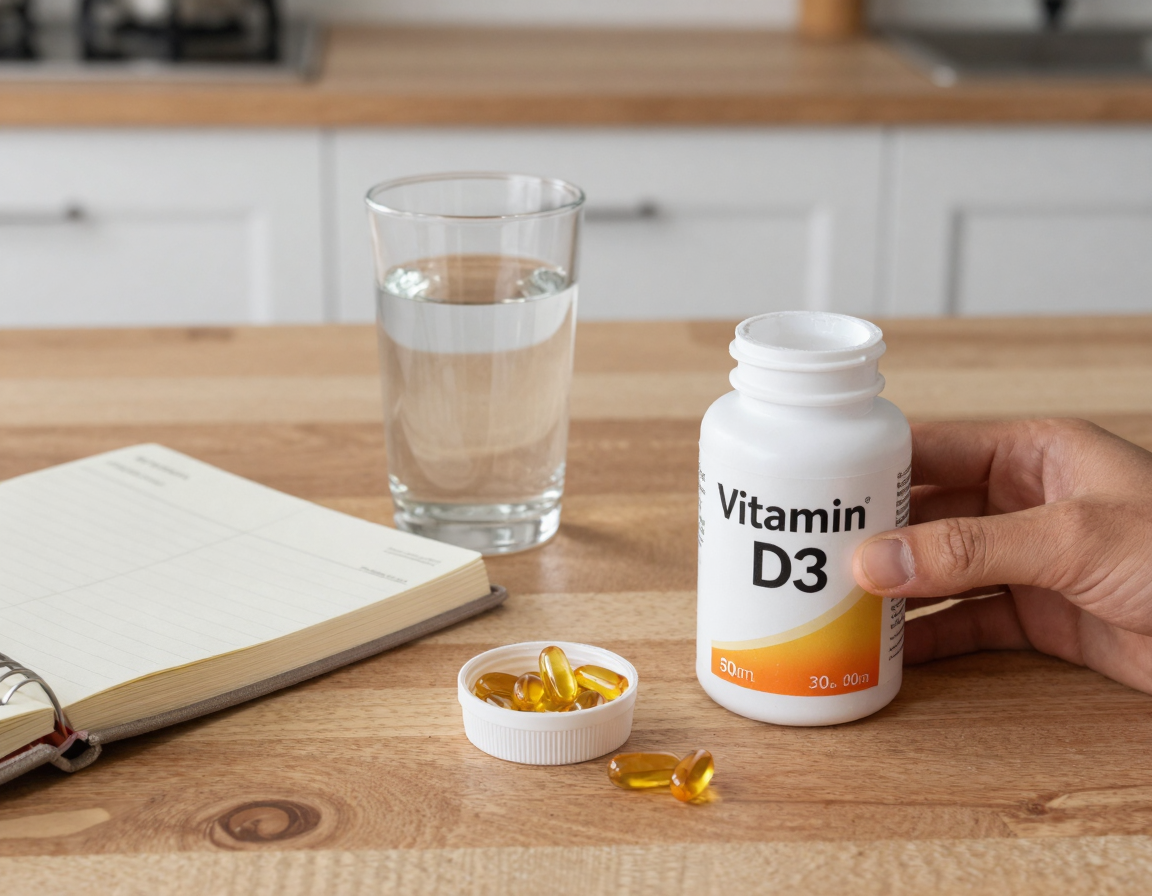
Vitamin D supplements (D2 or D3) correct deficiency when sun is limited. D3 (cholecalciferol) is more effective at raising levels. Typical doses: 1,000-2,000 IU daily for maintenance; higher (up to 50,000 IU weekly) under medical supervision for deficiency. Take with fat-containing meals for better absorption. Food sources like fatty fish, fortified milk, and egg yolks provide some, but supplements are often needed.
5) Testing and Monitoring Your Levels
Blood tests measure 25-hydroxyvitamin D; levels below 20 ng/mL indicate deficiency, 20-30 ng/mL insufficiency. Test if at risk: limited sun, dark skin, obesity, malabsorption, or age over 65. Retest after 3 months of intervention to adjust. Consult doctors for personalized dosing, especially with conditions like kidney disease.
6) Lifestyle Integration for Long-Term Success

Combine sun (3-5 sessions/week), supplements, and vitamin D-rich foods (salmon, mushrooms, fortified cereals). Exercise supports bone health; maintain healthy weight as fat stores vitamin D. Those indoors often or in cloudy climates prioritize supplements. Pregnant women and infants need monitoring to prevent spasms or rickets.
How to Apply This in Practice
Daily/Weekly Checklist:
– Assess risk: Note fatigue, bone pain, or muscle weakness? Get a blood test.
– Sun schedule: 15-30 minutes midday exposure, 3-5 days/week, arms/legs uncovered.
– Supplement routine: Take 1,000-2,000 IU D3 daily with breakfast.
– Diet boost: Eat salmon or fortified yogurt 2-3 times/week.
– Track progress: Retest levels in 12 weeks; adjust as needed.
– Safety first: Use sunscreen after initial exposure; consult doctor if symptoms persist.
Risk Note
Excess supplements can cause toxicity: nausea, weakness, hypercalcemia, kidney issues. Sun alone cannot overdose. Always test levels and follow medical advice; those with liver/kidney disease need caution.