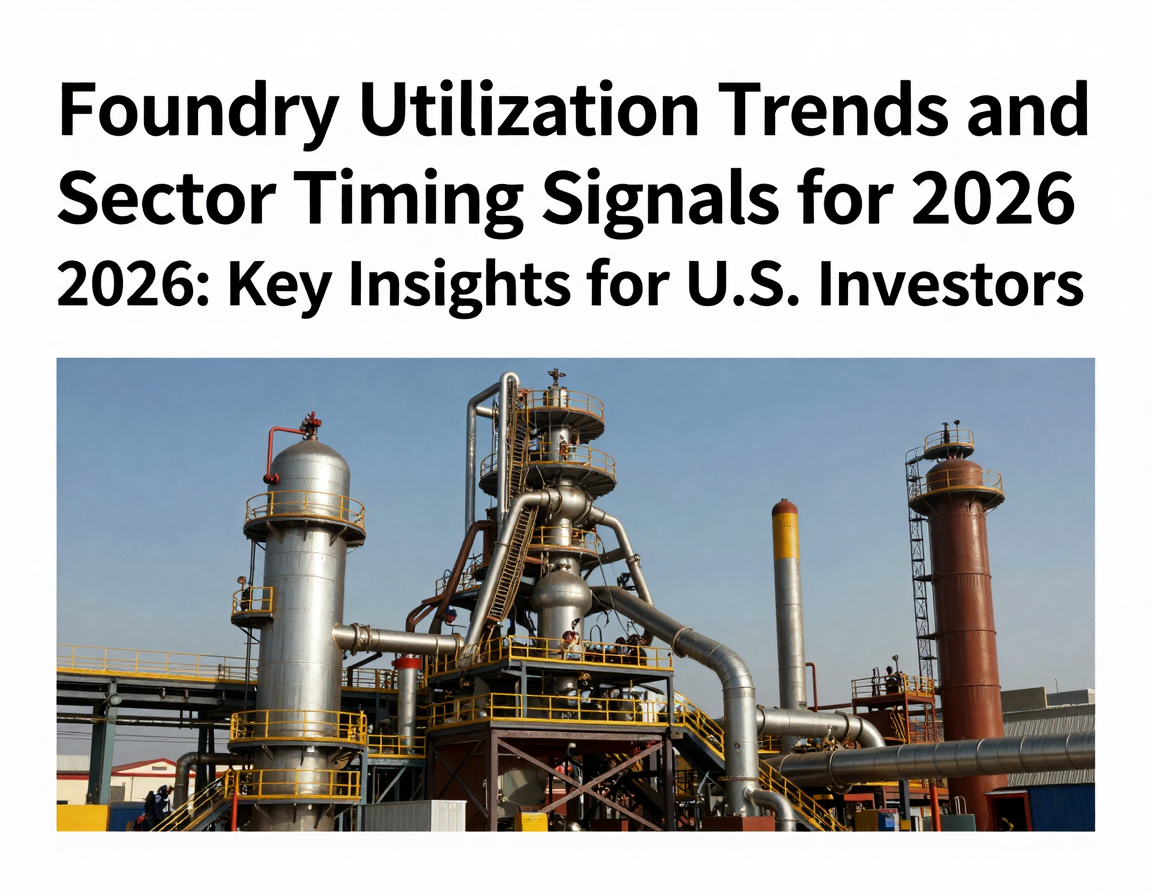
Foundry utilization trends in 2026 point to a polarized landscape, with advanced semiconductor nodes at full capacity due to AI demand and tightening 8-inch wafer supply, while 12-inch mature nodes lag amid weak consumer electronics.Metal foundries show steady growth driven by EV lightweighting, construction, and aerospace, offering U.S. investors clear sector timing signals for nonferrous expansion and green tech adoption.
1)
The global foundries market, encompassing both semiconductor wafer fabrication and metal casting, is poised for divergent growth in 2026. Semiconductor foundries face full loading on advanced nodes like 5nm and below, fueled by robust AI demand, leading to price hikes and revenue expansion, while mature 12-inch nodes (≥28nm) experience stalled growth due to soft consumer markets. In parallel, the metal foundry sector is valued at around USD 222.6 billion in 2025, projecting a 5.2% CAGR to USD 351.4 billion by 2034, with key drivers in automotive EV components and infrastructure. U.S. investors can time entries by tracking utilization rates as leading indicators of capex cycles and supply constraints.
2)

Semiconductor foundry utilization in 2026 highlights extreme polarization. Advanced nodes and packaging capacities remain fully loaded through year-end, with TSMC retaining 100% utilization on 5/4nm and below, while Samsung ramps orders aggressively. 8-inch capacity tightens from strategic production cuts by majors and surging AI power IC demand, pushing prices upward; conversely, 12-inch mature nodes weaken, creating a bifurcated industry where AI-driven segments outperform. This dynamic signals buy opportunities in equipment suppliers to leading-edge foundries and caution in legacy node exposure.
3)
Metal foundries exhibit robust utilization trends anchored in nonferrous expansion, particularly aluminum and magnesium for EV lightweighting. The sector anticipates steady growth to USD 224.81 billion by 2030 at 4.3% CAGR, propelled by aluminum/copper foundries, magnesium/zinc castings, and demand from pipes, machine tools, and electrical equipment. High-pressure die casting (HPDC) for EV e-axle housings, chassis, and giga-cast body structures surges, alongside off-highway agriculture and construction machinery needs. Ferrous adoption persists for infrastructure, but nonferrous leads volume growth in Asia-Pacific and North America.
4)
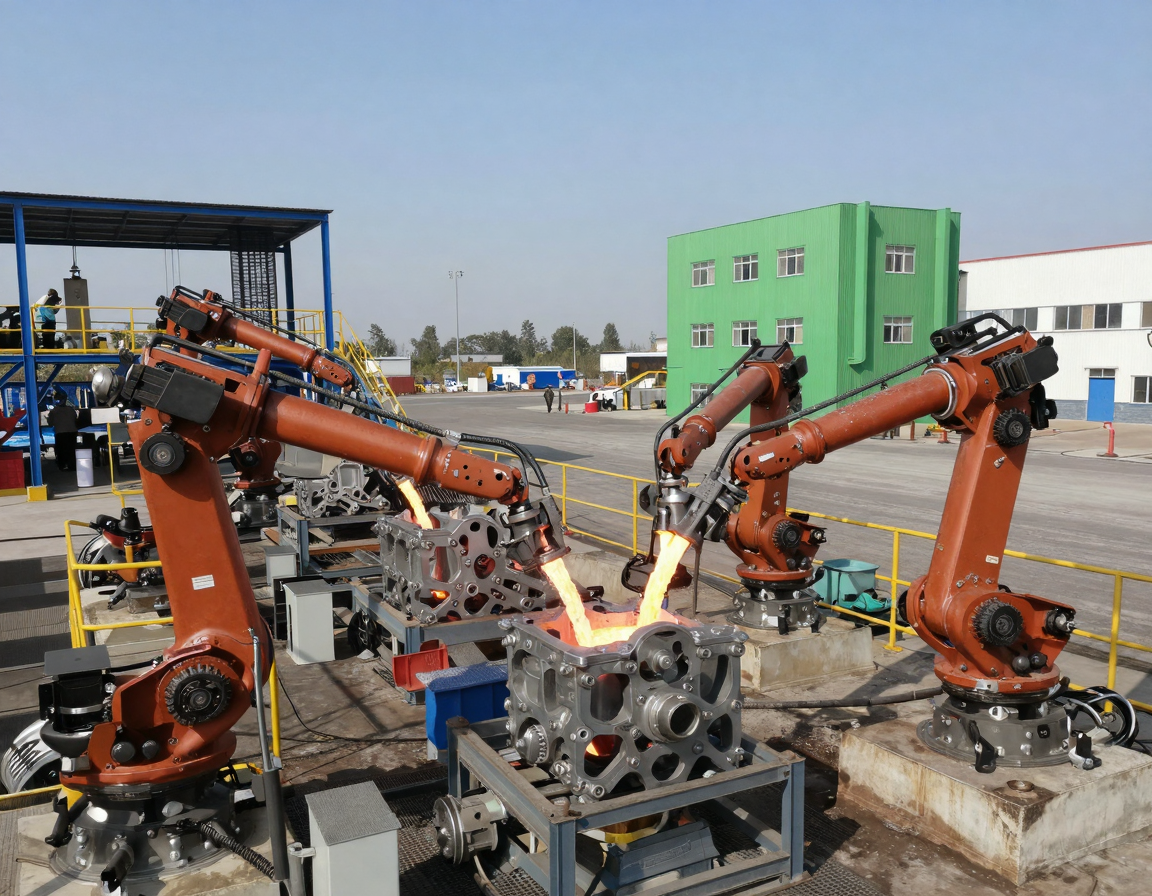
Key drivers amplifying foundry utilization include EV integration and aerospace demand. Automakers’ range extension pushes complex thin-walled aluminum/magnesium castings, requiring advanced coatings to cut defects by 30%. Aerospace grows fastest at 7.1% CAGR for flux systems and inoculants in high-strength components. Construction boom drives ferrous demand for beams and brackets, while AI power ICs tighten semiconductor supply. U.S.-centric re-shoring and Mexico supplier parks enhance regional resilience, with investments in large-tonnage HPDC presses signaling capex peaks.
5)
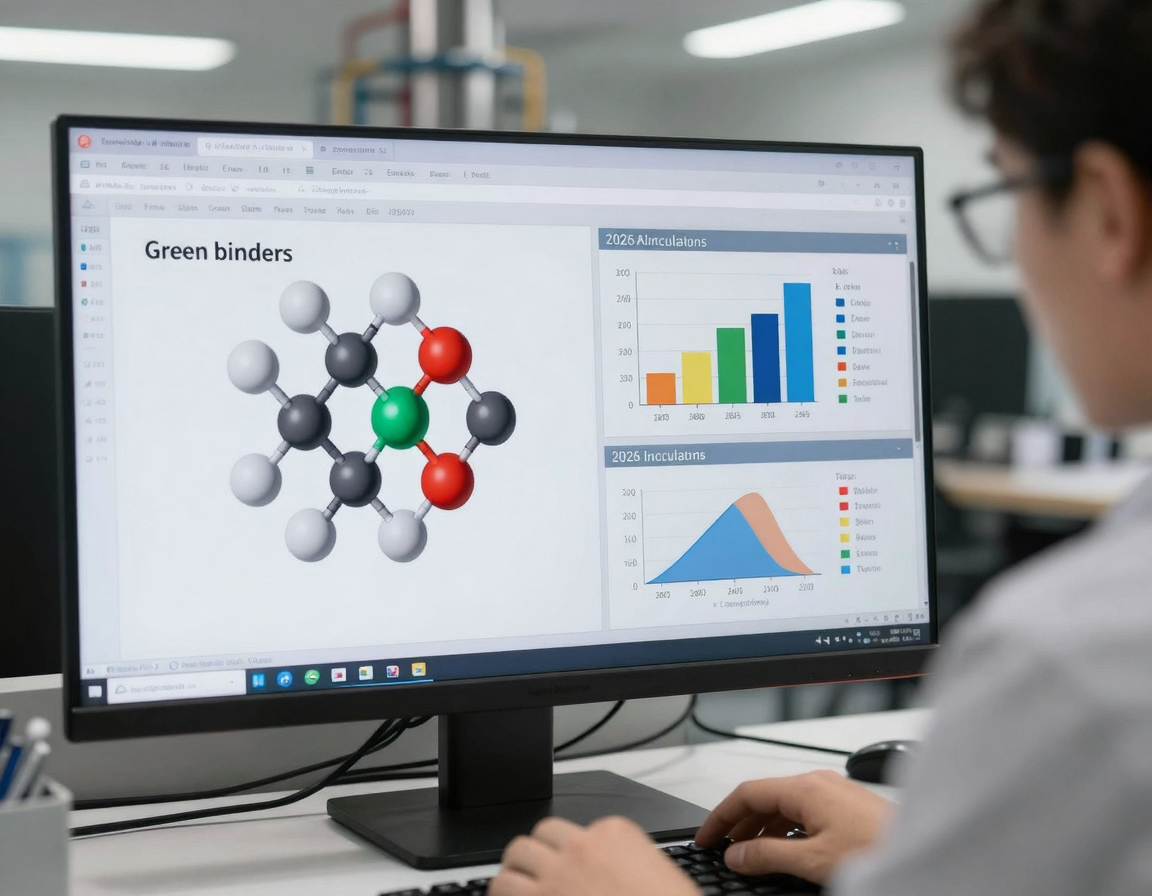
Sustainability and technology trends are reshaping utilization profiles toward high-value operations. Green casting mandates shift to bio-based binders, inorganic low-VOC formulations, and 95% sand recycling, driven by REACH/EPA regulations phasing out phenolic resins. Industry 4.0 integration via AI molecular modeling slashes R&D cycles, enabling rapid eco-product commercialization. Digital twins, in-mold sensors, and AI defect prediction boost yields, while electric melting and sand reclamation cut emissions. These factors elevate utilization in compliant, tech-forward foundries, favoring U.S. investors in sustainability-linked plays.
6)
Sector timing signals for 2026 center on capacity inflection points. Monitor advanced semi node utilization above 90% as a buy signal for foundry stocks and suppliers, with 8-inch tightness indicating near-term price rallies. In metals, nonferrous HPDC expansion and EV platform launches signal Q1-Q2 capex ramps, while construction/infrastructure spending tracks ferrous loads. Regional cues include North American aerospace hubs and U.S. re-shoring for energy/agriculture. Late 2026 chemical production recovery forecasts broader rebound. U.S. investors should align portfolios with these metrics for alpha generation.
How to Apply This in Practice
Practical Checklist for U.S. Investors:
Track monthly utilization reports from TSMC, Samsung, and metal foundry associations for advanced/8-inch tightness.
Monitor EV production ramps and aerospace orders via OEM disclosures for nonferrous demand surges.
Assess regulatory filings for green binder adoption rates as compliance proxies.
Watch capex announcements in HPDC equipment and AI simulation tools for leading-edge growth.
Compare regional utilizations: North America for high-value, Asia-Pacific for volume.
Position in ETFs or stocks with >80% exposure to AI semis and aluminum foundries.
Rebalance quarterly on mature node weakness signals.
Risk Note
Foundry trends carry risks from energy volatility impacting melt shops, geopolitical supply chain disruptions in Asia-Pacific, and delayed EV adoption softening aluminum demand. Semiconductor polarization exposes mature node underperformers, while overcapacity in 12-inch could extend weakness. Regulatory shifts may accelerate costs for non-compliant players. U.S. investors should diversify and use stop-losses on utilization downturns below 75%.