The global semiconductor industry is poised for robust growth in 2026, with projections from the Semiconductor Industry Association (SIA) indicating sales approaching $1 trillion following a record $791.7 billion in 2025, driven primarily by AI demand and resilient end-markets. U.S. investors tracking the Philadelphia Semiconductor Index (SOX) should focus on cycle bottom signals to time entries, as historical patterns suggest peaks around 16 quarters but current dynamics show a deconstructed cycle with declining inventories and uneven recovery.
1) Inventory Levels Across the Supply Chain
Finished goods inventory has been declining since the last cycle peak, reaching near-physical minimums due to transportation constraints, signaling potential bottoms as restocking pressures build. Work-in-progress inventory for memory companies remains flat, reflecting maintenance-level manufacturing rather than expansion, which core semiconductor firms balance gently amid weak recovery. Deloitte notes consumer electronics inventory digestion is normalizing, reducing overhang risks while AI drives new demand.
2) Foundry Capacity Utilization Rates
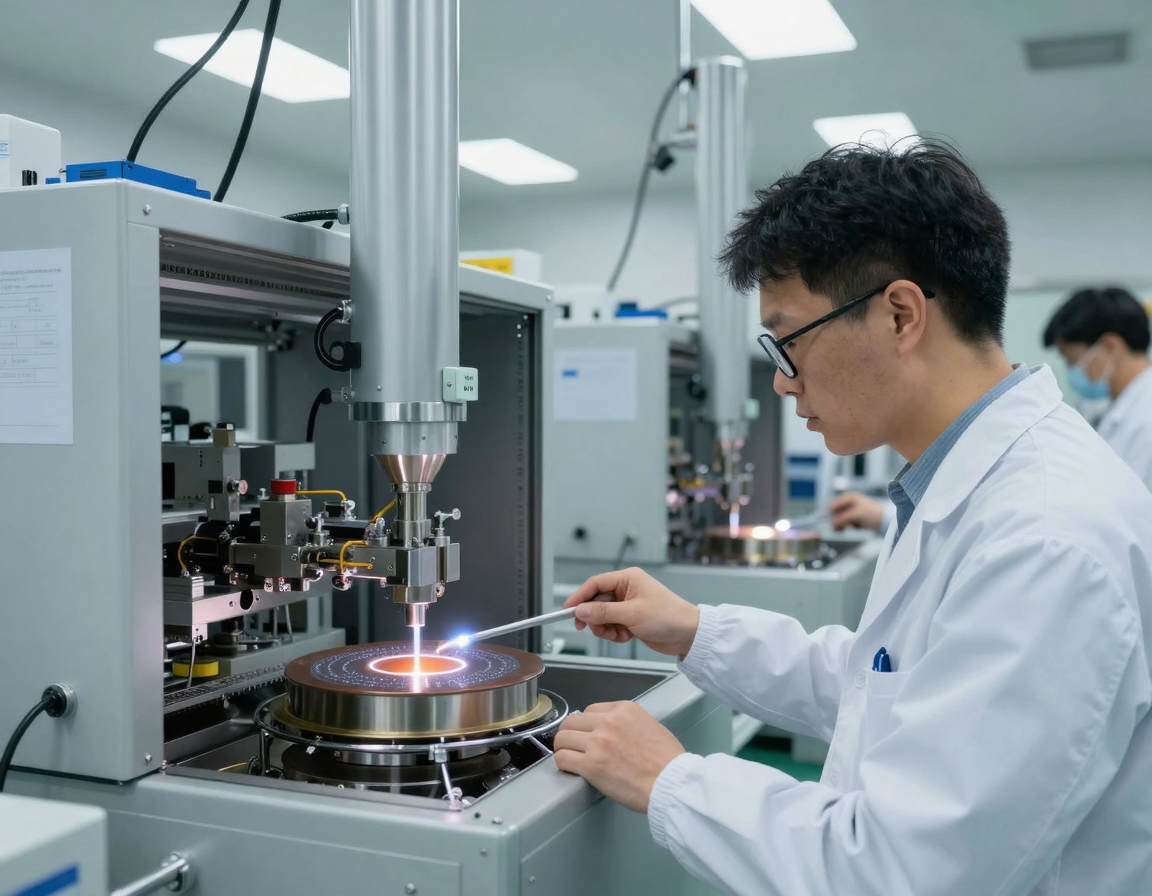
Supply dynamics in 2026 feature reduced flexibility from prior capacity decisions, with new fabs coming online gradually but long lead times preventing rapid rebalancing. SEMI capacity data indicates high utilization in base and upside cases, especially for advanced logic and memory, supporting pricing power if AI adoption accelerates. Geopolitical factors and embargoes contribute to wobbly supply chains, emphasizing resilience indicators like regional diversification.
3) Memory Pricing and Spot Market Trends
Memory work-in-progress stability at cost levels suggests controlled production, a bottom signal as demand from data centers outpaces supply. PwC and Gartner forecasts predict uneven growth with periodic imbalances, where memory pricing rebounds first in upcycles due to tight advanced packaging capacity. Deloitte projects 26% overall growth to $975 billion, with memory tied to AI workloads showing double-digit gains.
4) Regional Sales Growth Disparities
Asia Pacific sales surged 45% in 2025, driven by AI processor production in Taiwan and HBM assembly in South Korea, contrasting Japan’s 4.7% decline and signaling shifting cycle bottoms by geography. Americas grew 30.5%, bolstered by U.S. AI infrastructure, while China’s 17.3% rise faces embargo headwinds. Investors should watch U.S.-centric recovery in SOX components amid these disparities.
5) End-Market Demand Synchronization
Unlike sequential cycles, 2026 features parallel growth in data centers, automotive electrification (10%+ CAGR), industrial automation, and AI devices, reducing single-market dependency. Automotive shifts to zonal computing boost sensor and SoC demand, while custom silicon for cloud providers strains advanced nodes. SIA attributes $1 trillion trajectory to AI, IoT, and autonomous driving, confirming multi-pillar signals.
6) Lead Times and Allocation Pressures
Advanced logic, memory, and packaging face long lead times and concentration risks, with forecasting errors amplifying shortages or surpluses. Sourceability highlights allocation risks tied to AI roadmaps, urging early securing in high-growth categories. Inventory discipline and secondary markets smooth volatility, key for spotting bottoms before full recovery.
How to Apply This in Practice
- Track monthly SIA/WSTS sales data for inventory and regional trends, targeting SOX dips when Asia Pacific utilization spikes.
- Monitor SEMI equipment bookings and foundry reports (TSMC, Samsung) for capacity ramps above 85%.
- Use tools like Deloitte quarterly outlooks to correlate memory spot prices with AI capex announcements from hyperscalers.
- Screen SOX constituents for exposure to automotive and industrial segments showing 10%+ order growth.
- Set alerts for lead time extensions beyond 20 weeks on platforms like Sourceability for allocation signals.
- Build positions gradually on 2-3 confirming signals, aiming for 2026 upcycle entry before $975B consensus.
Risk Note
While projections show strength, risks include AI monetization delays, data center constraints, geopolitical embargoes, and overcapacity if growth moderates, potentially delaying cycle bottoms. Non-AI segments may lag, and consolidation via M&A raises supplier concentration concerns. Investors should diversify beyond pure AI plays and consult advisors.