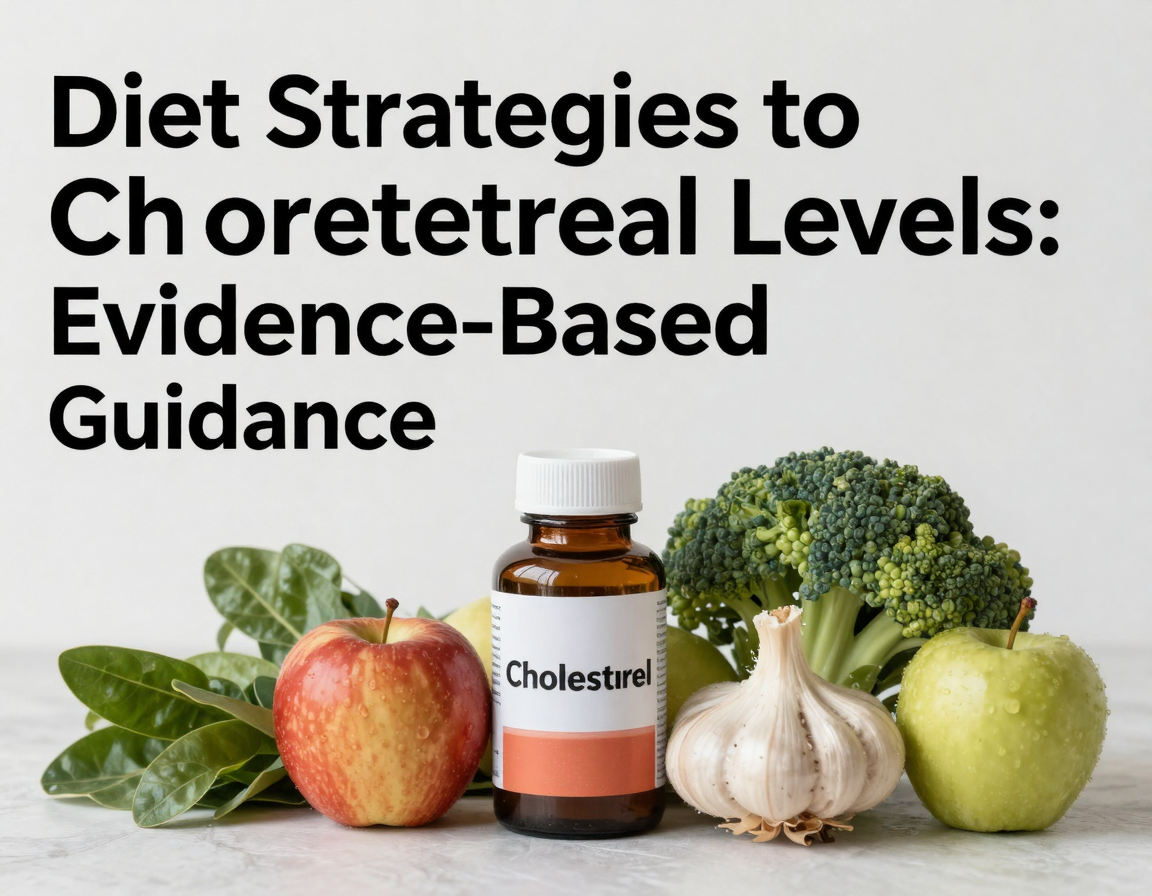
High cholesterol levels, particularly elevated low-density lipoprotein (LDL) cholesterol, increase the risk of heart disease and stroke. Evidence from clinical studies shows that targeted dietary changes can reduce total cholesterol by up to 40% and LDL by over 50% in some cases, often without medication.
This article provides practical, evidence-informed strategies based on research from sources like the American Heart Association, Mayo Clinic, and peer-reviewed studies. Combining diet with moderate exercise enhances results, as demonstrated in cases where LDL dropped 14-20% with diet plus weekly walking or jogging.
1) Reduce Saturated and Trans Fats
Saturated fats, found in red meat and full-fat dairy, raise LDL cholesterol. Cutting back on these can lower LDL levels and improve heart health. Trans fats, in processed foods, should be eliminated entirely as they elevate “bad” cholesterol.
The American Heart Association Step 2 diet, low in saturated fat and cholesterol, achieves about 5% LDL reduction, though real-world adherence varies. Opt for lean meats, low-fat dairy, and avoid fried or baked goods with partially hydrogenated oils.
2) Increase Soluble Fiber Intake
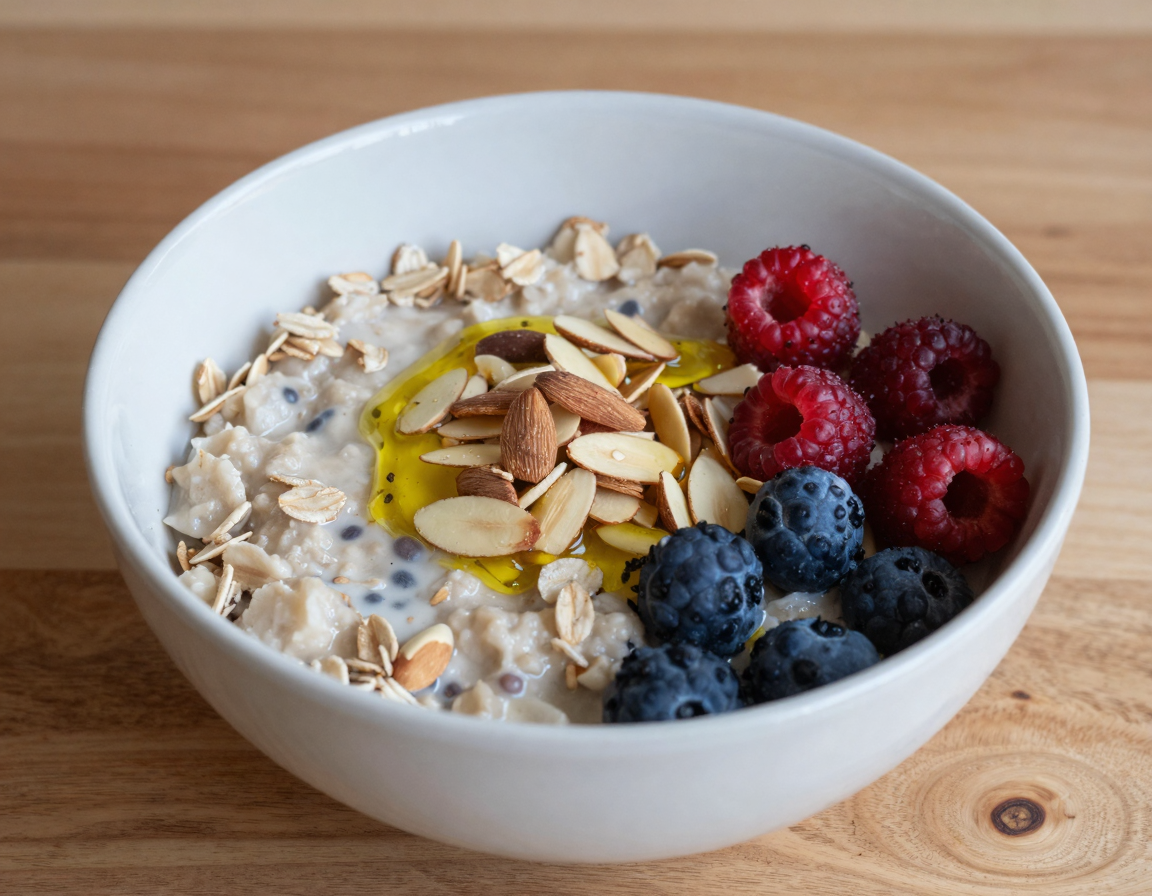
Soluble fiber blocks cholesterol absorption in the bloodstream. Foods like oatmeal, kidney beans, Brussels sprouts, apples, and pears are rich sources. In one case, adding 1/3 cup raw oats daily (providing 1.3g beta-glucan) contributed to a 52.8% LDL drop over 6 weeks.
Aim for 5-10g daily from oats, barley, beans, and fruits. Studies confirm soluble fiber consistently lowers LDL by 5-10%.
3) Incorporate Healthy Fats from Plants and Fish
Replace saturated fats with monounsaturated fats from olive oil, avocados, and nuts. Daily intake of 30g almonds and half an avocado helped achieve normal cholesterol ranges in a documented case. Extra virgin olive oil further supports LDL reduction.
Omega-3 fatty acids from salmon, mackerel, walnuts, and flaxseeds reduce triglycerides and blood pressure, benefiting heart health even if LDL impact is modest. Fish twice weekly or fish oil supplements showed 29% mortality reduction in trials.
4) Adopt a Mediterranean-Style Eating Pattern
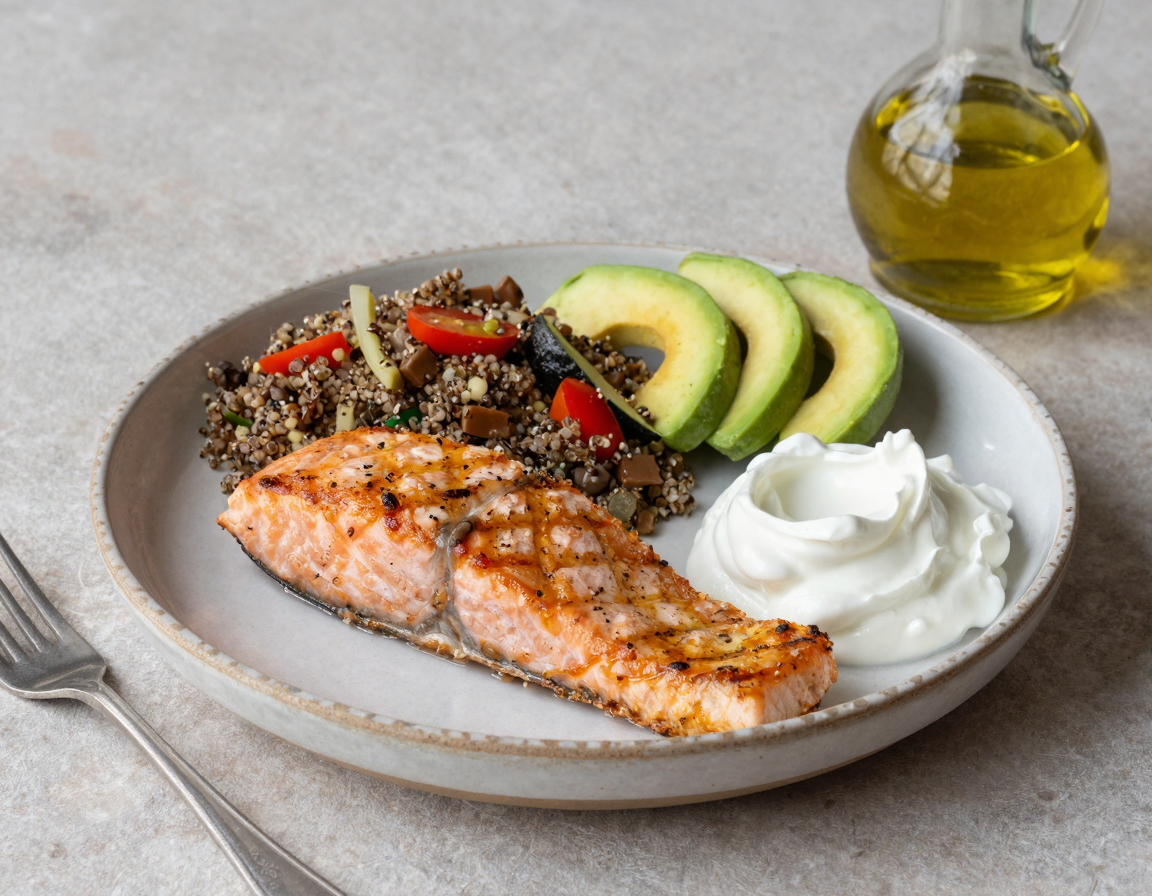
The Mediterranean diet emphasizes fruits, vegetables, whole grains, beans, nuts, olive oil, fish, and low-fat dairy while limiting processed foods. It reduced cardiac events by 70% in high-risk patients, independent of major cholesterol changes.
This palatable approach rivals statins in outcomes and is supported by strong trial data. Include low-fat yogurt or cheese daily and fish regularly for optimal results.
5) Add Plant Sterols, Soy, and Whey Protein
Phytosterols in fortified margarines like Benecol can add 15% LDL reduction when combined with diet. Soy products, replacing animal protein (e.g., soy milk for dairy, tofu for meat), lower LDL by 7-10% at 30g daily.
Whey protein from dairy modestly lowers LDL, total cholesterol, and blood pressure. These additions provide additive benefits without drugs.
6) Combine Diet with Lifestyle Factors
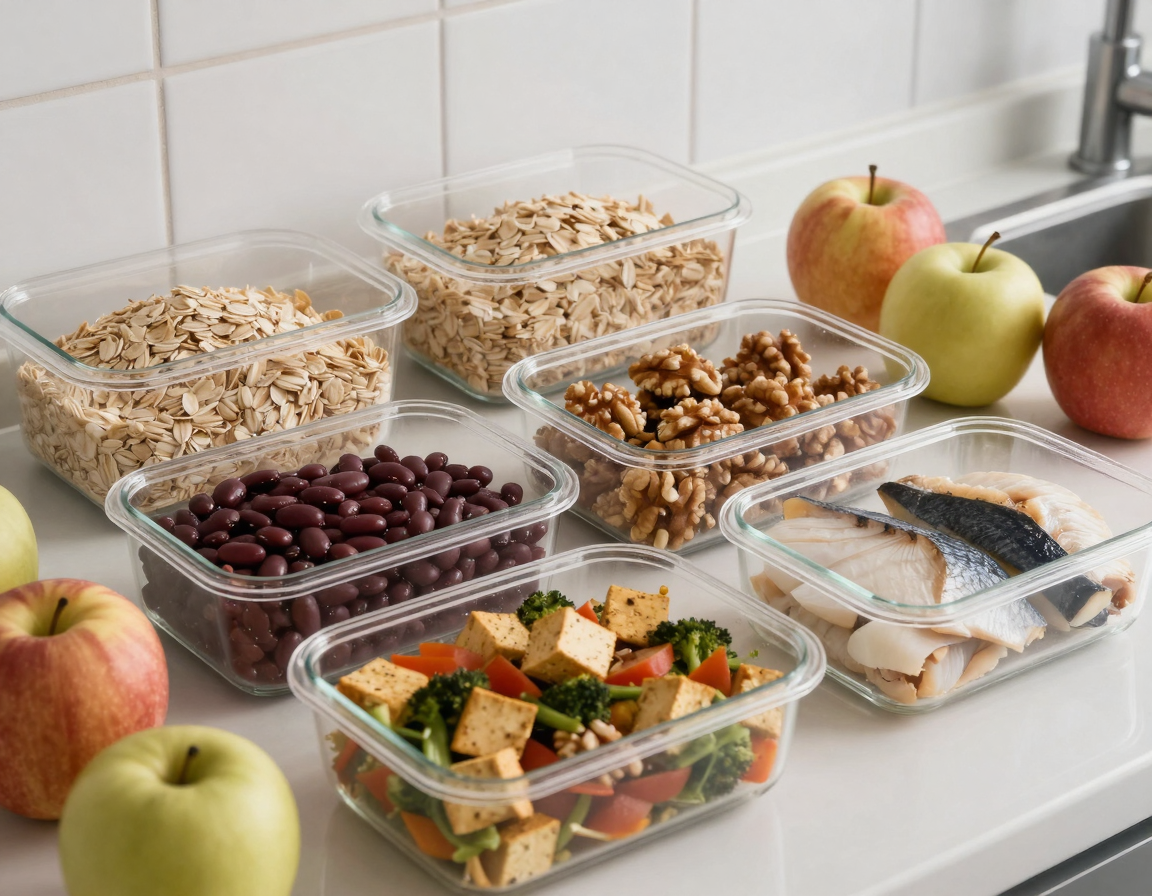
Weight loss plus cholesterol-lowering foods outperforms either alone, as seen in a 40% total cholesterol drop with diet, supplements, and exercise. Low-fat diets like Ornish achieve up to 37% LDL reduction under strict conditions.
Vegetarian patterns are most effective for LDL but challenging; plant-focused calories with exercise yield 14-20% drops. Limit cholesterol to under 200-300mg daily and pair with 10 miles weekly walking.
How to Apply This in Practice
Daily Checklist:
- Start breakfast with oats or barley topped with fruits and nuts (e.g., 1/3 cup oats, 30g almonds).
- Use olive oil as primary fat; add half avocado to lunch or dinner.
- Eat fish or omega-3 sources 2x/week; include beans or soy daily.
- Snack on apples, pears, walnuts, or flaxseeds for soluble fiber.
- Choose lean proteins, low-fat dairy; avoid red/processed meats, full-fat dairy, trans fats.
- Aim for 25-30g fiber; track saturated fat under 7% calories.
- Combine with 150min moderate exercise weekly for amplified effects.
Monitor progress with blood tests after 6 weeks; one case maintained normal levels at 6 months. Adjust portions for weight management.
Risk Note
Consult a healthcare provider before major diet changes, especially if on cholesterol medications, pregnant, or with conditions like kidney disease. Soy and fish oil may interact with drugs; excessive fiber can cause digestive issues if introduced rapidly. These strategies support but do not replace professional medical advice.