
Recurrent numbness or tingling in the hands and feet, known as paresthesia, often stems from peripheral neuropathy, vitamin deficiencies, diabetes, or spinal issues, warranting medical evaluation when persistent.
1)
Hand and foot numbness typically arises from nerve irritation or damage, with common causes including peripheral neuropathy—the most frequent culprit—affecting sensory nerves and leading to tingling, burning, or reduced sensation. Other contributors encompass diabetes-induced nerve damage, vitamin B12 or magnesium deficiencies, poor blood circulation, and spinal conditions like herniated discs compressing nerves. Evidence from clinical sources emphasizes that while mild cases may resolve with rest, repetition signals potential systemic problems requiring diagnosis via blood tests, imaging, or nerve studies.
2)
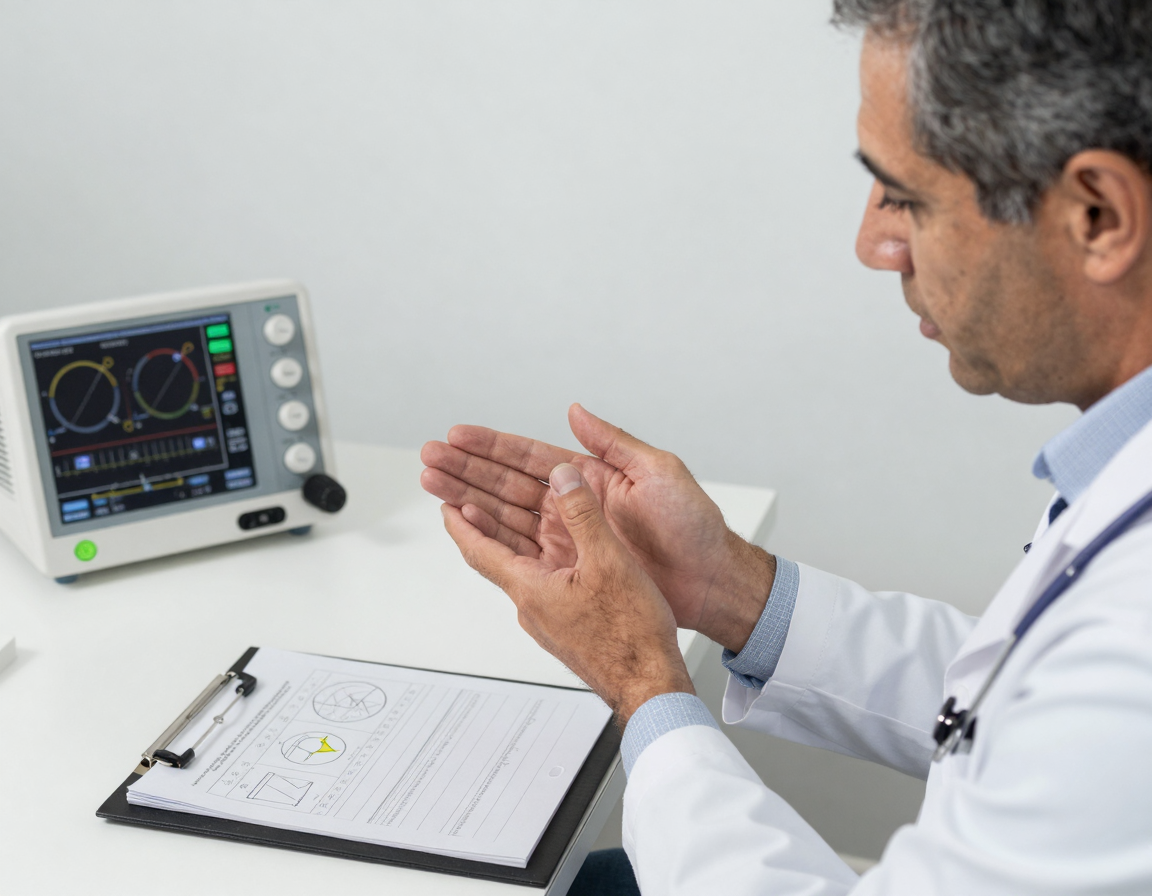
Visit an internal medicine department first for baseline assessments, including blood tests to check for diabetes (via fasting glucose or HbA1c), thyroid issues, or vitamin deficiencies, as these are foundational causes. If no internal issues are found, proceed to neurology for nerve conduction studies or electromyography (EMG) to evaluate peripheral nerve health, or orthopedics for spinal evaluations using X-rays or MRI if back pain or unilateral symptoms suggest compression. Pain clinics offer integrated care with multidisciplinary approaches for complex cases.
3)
Seek immediate emergency care if numbness accompanies sudden weakness, muscle power loss, slurred speech, one-sided symptoms, or facial droop, as these indicate possible stroke, transient ischemic attack, or acute nerve compression needing urgent imaging like brain MRI or CT. Nighttime worsening, color changes in extremities, or progressive fatigue alongside numbness also demand prompt attention to rule out vascular or severe neuropathic emergencies.
4)
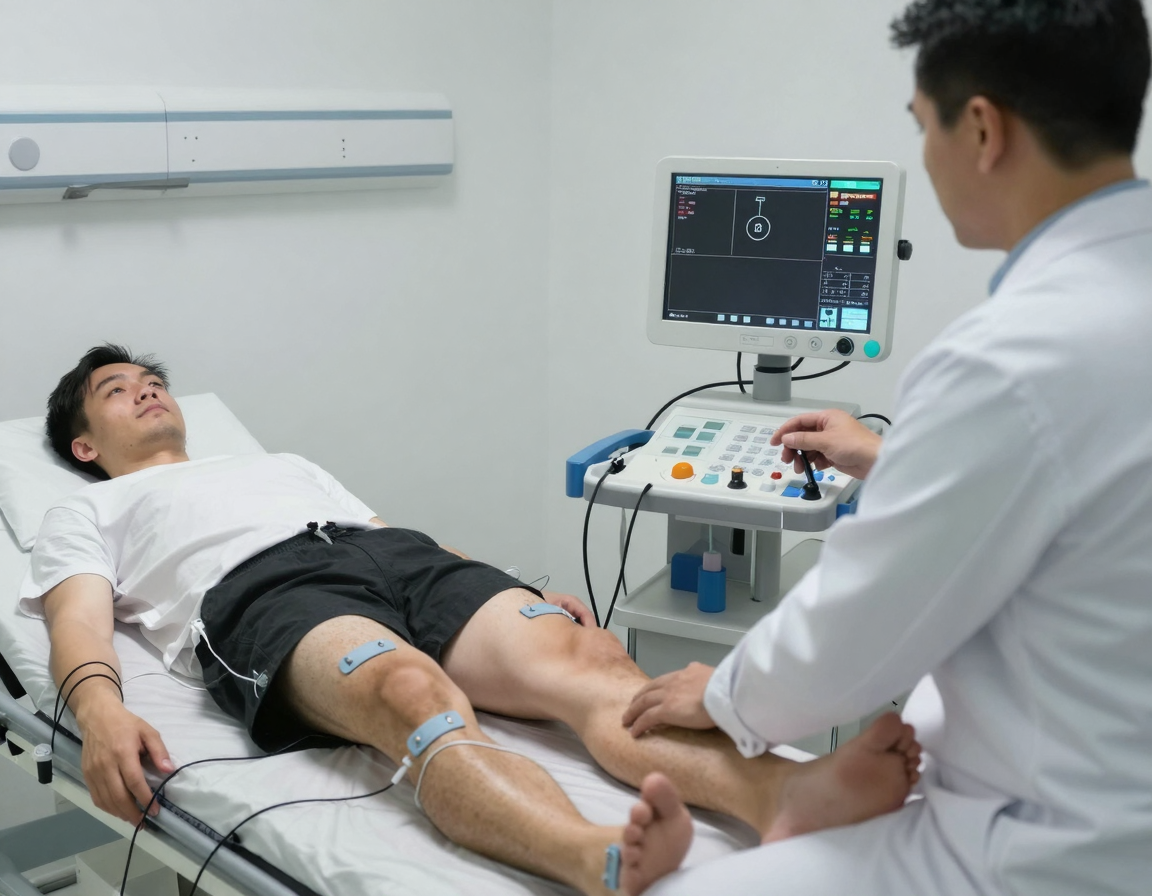
Diagnostic tools include blood work for metabolic causes, nerve conduction velocity tests and EMG to quantify nerve damage, and MRI for spinal or brain abnormalities, particularly if symptoms persist beyond two weeks or intensify. Orthopedic imaging like spine X-rays helps identify disc herniation, while neurology focuses on neuropathy confirmation; collaborative care across departments enhances accuracy.
5)
Evidence supports early intervention: persistent numbness risks permanent nerve damage, worsened diabetic complications, or mobility loss from untreated spinal stenosis. Delaying evaluation when symptoms recur allows progression from mild tingling to weakness, reducing treatment efficacy; studies highlight better outcomes with timely neuropathy management. Hospitals with neurology, orthopedics, and pain specialists provide comprehensive diagnostics, preventing chronic disability.
6)

Prevention involves managing risk factors: control blood sugar if diabetic, supplement vitamins under guidance, maintain circulation through exercise, and avoid prolonged static postures. Regular check-ups for those with hypertension or metabolic issues catch precursors early; balanced nutrition and ergonomic habits reduce recurrence, but professional monitoring remains key for evidence-based care.
How to Apply This in Practice
Practical Checklist for Recurrent Hand and Foot Numbness:
- Track symptom frequency, duration, and triggers (e.g., nighttime, one-sided) in a journal for 1-2 weeks.
- Check for red flags: weakness, pain spreading to limbs, speech issues, or skin color changes—go to ER immediately.
- Schedule internal medicine visit for blood tests if symptoms recur 3+ times weekly or last >2 weeks.
- Prepare for neurology/orthopedics: note medications, family history, and lifestyle factors.
- Follow up with prescribed tests (EMG, MRI) and adhere to treatments like nerve medications or physical therapy.
- Monitor progress: if no improvement in 4 weeks, seek second opinion at a multidisciplinary clinic.
Risk Note
Ignoring recurrent numbness heightens risks of irreversible nerve damage, diabetic complications, or stroke misdiagnosis; always consult professionals rather than self-treating, as symptoms overlap serious conditions requiring tailored intervention.