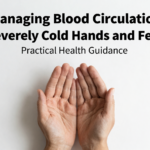
Severely cold hands and feet are common symptoms of poor blood circulation, often worsened by cold weather, sedentary lifestyles, or underlying factors like stress. This article provides evidence-informed strategies to improve circulation, drawing from reliable health sources to help you warm up naturally and effectively.
1) Understanding Cold Hands and Feet
Cold extremities result from reduced blood flow to the hands and feet, leading to symptoms like numbness, tingling, swelling, fatigue, muscle cramps, or skin discoloration. Factors such as prolonged sitting, winter exposure, or conditions like Raynaud’s phenomenon can exacerbate this by constricting blood vessels. Improving circulation through simple habits can alleviate these issues without medical intervention in most cases.
2) Exercises to Boost Circulation
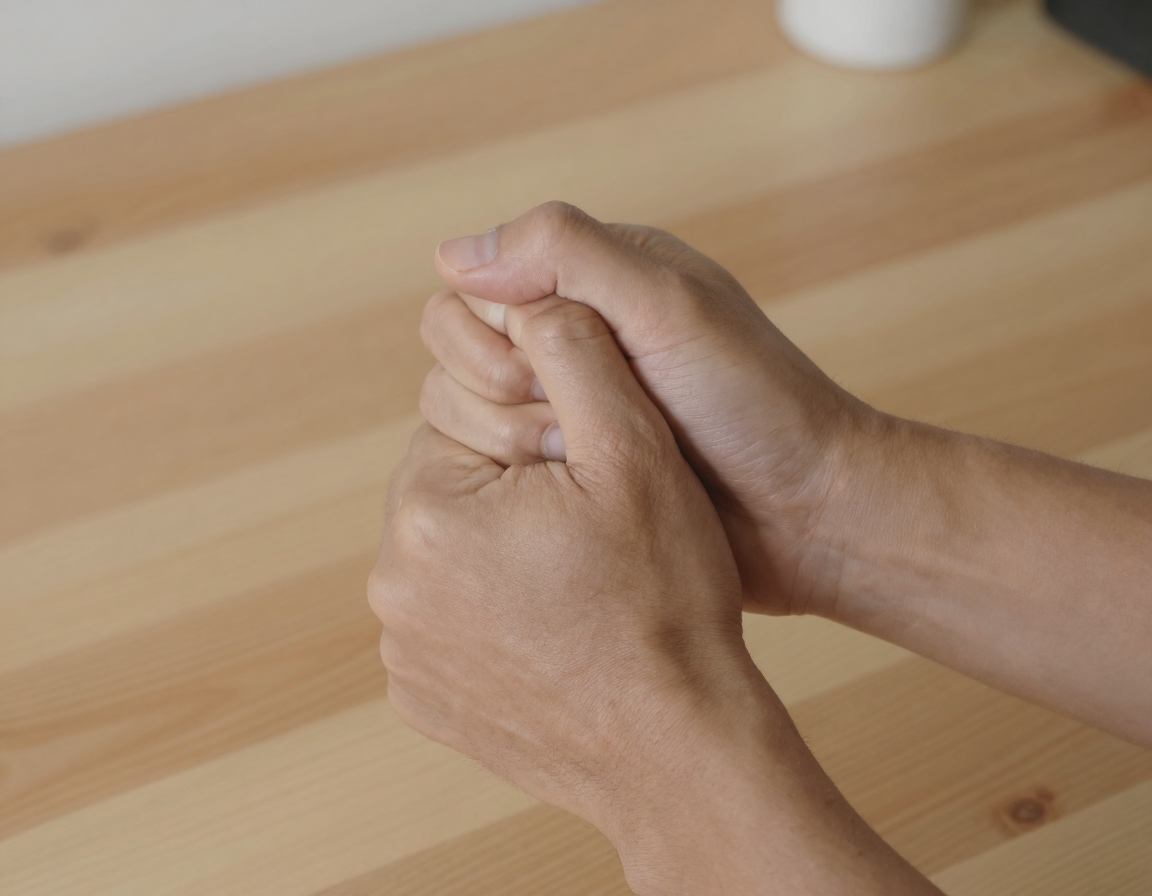
Regular movement pumps blood to extremities, countering poor circulation. Try these simple exercises anywhere: hand squeezes (gentle fist for 3-5 seconds, repeat 10-15 times), ankle circles (rotate 10 times each direction per foot), calf raises (rise on toes and lower slowly, 15 reps), marching in place (1-2 minutes), and shoulder shrugs (raise and relax shoulders 10 times). Daily walking or jumping jacks also enhance overall flow.
3) Stay Warm and Protect Extremities
Wearing warm socks, gloves, layers, and slippers retains body heat and prevents vessel constriction. Use hand/foot warmers for outdoor exposure, hold warm drinks, or apply electric heating pads to the lower back to dilate vessels indirectly. Avoid direct heat sources like hot water bottles on numb areas to prevent burns. Keeping your core warm supports better peripheral blood flow.
4) Hydration and Nutrition for Vascular Health
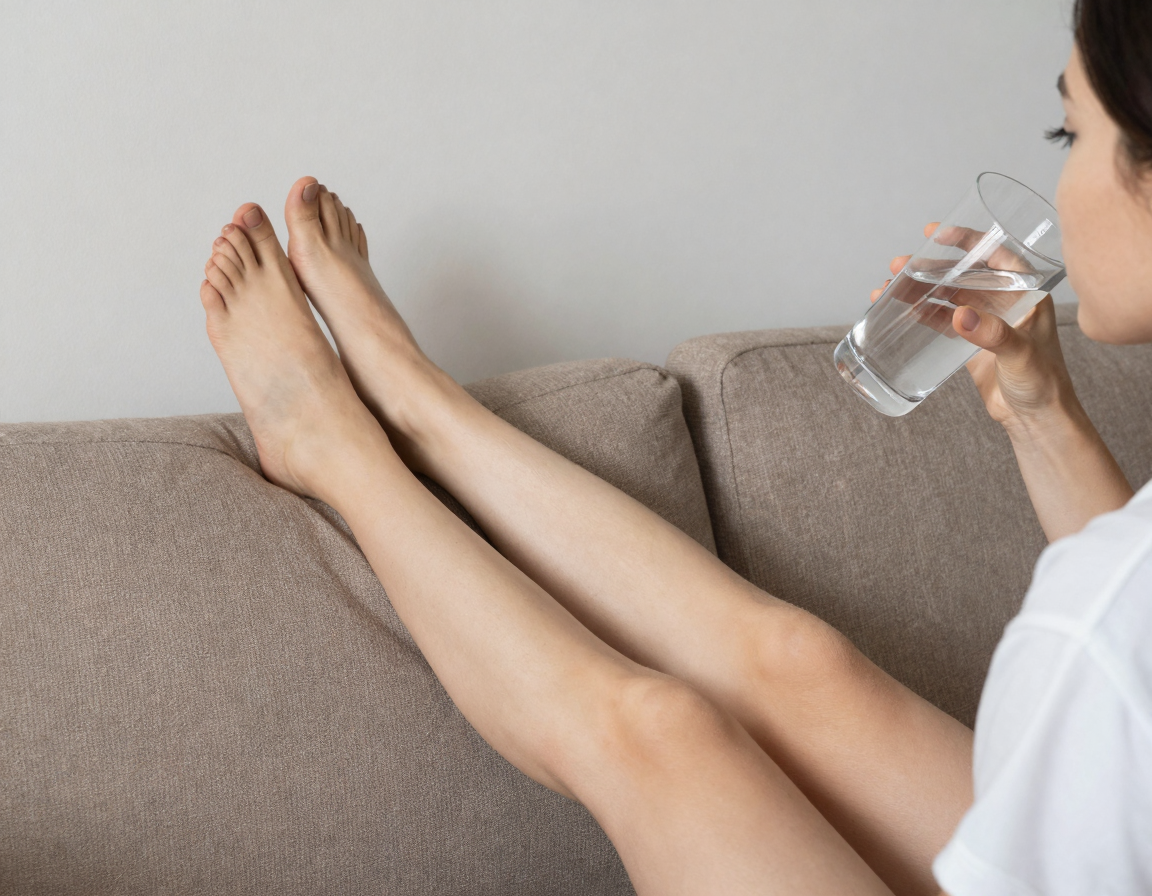
Hydration thins blood for smoother flow; aim for 6-8 glasses of water daily unless advised otherwise. Nutrient-rich foods like leafy greens, nuts, seeds, whole grains, lean proteins, and oily fish provide iron, magnesium, B vitamins, and healthy fats to support vessels. A Mediterranean diet with fruits and vegetables further aids circulation.
5) Lifestyle Adjustments and Stress Management
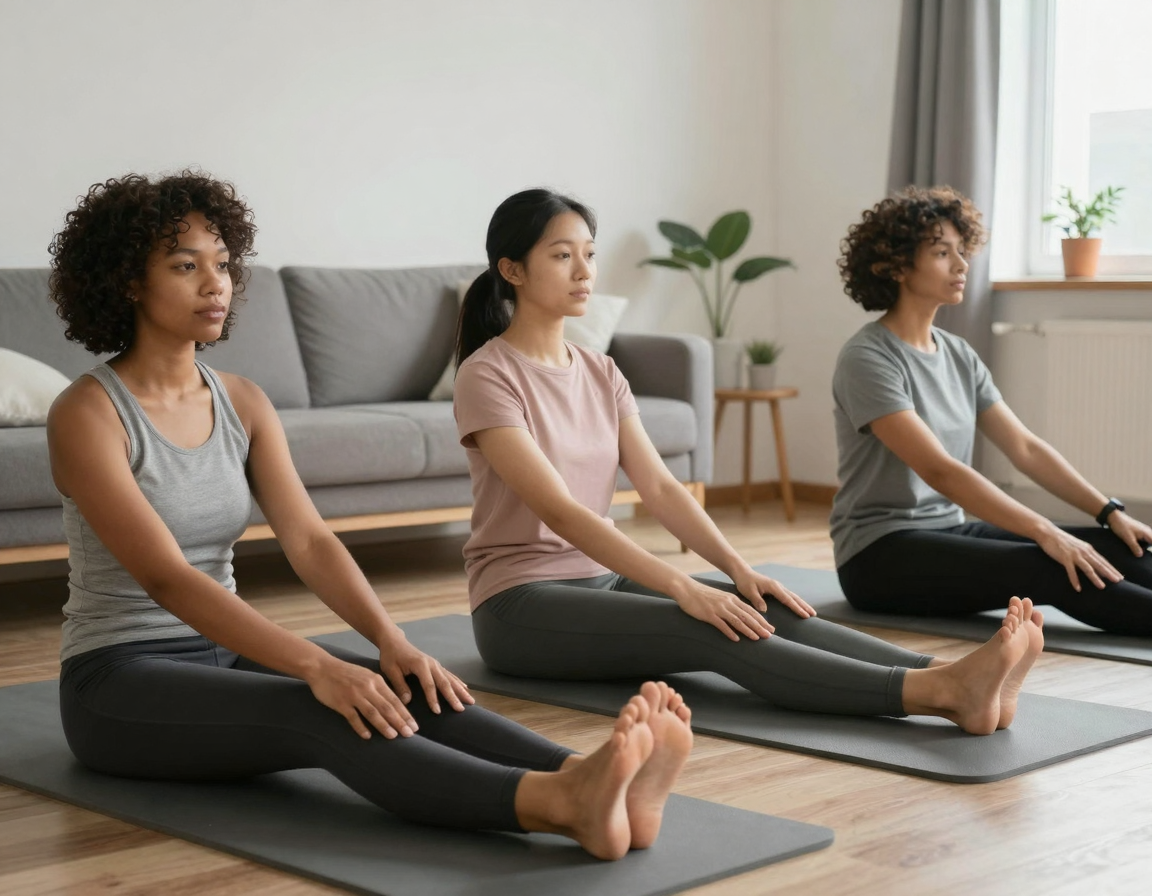
Move every 30 minutes, elevate legs above hips when sitting, and incorporate stretches like toe wiggles or yoga poses. Quit smoking, as it damages vessels, and manage stress with deep breathing or relaxation techniques to prevent constriction. Adequate sleep and short walks after meals promote consistent blood flow.
6) Massage and Advanced Techniques
Brisk self-massage or rolling a tennis ball under feet for 5 minutes stimulates circulation, especially for Raynaud’s. Leg elevation, compression stockings (after doctor consultation), and quick warmups like arm circles add benefits. Professional physiotherapy can tailor plans for persistent issues.
How to Apply This in Practice
Daily Circulation Checklist:
– Perform 5-minute exercise routine (e.g., hand squeezes, ankle circles) every hour.
– Drink a glass of water every 2 hours and eat circulation-boosting foods.
– Wear warm layers; elevate feet during rest.
– Take 5-minute walks post-meals; massage hands/feet nightly.
– Practice deep breathing for 5 minutes before bed.
– Avoid smoking and direct heat; monitor symptoms.
Risk Note
These tips suit general poor circulation but consult a doctor for persistent coldness, pain, discoloration, or swelling, as they may signal serious issues like heart disease, diabetes, or Raynaud’s. Compression stockings require professional fitting to avoid skin irritation. Those with heart failure should check hydration limits.