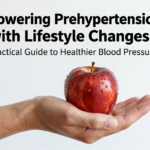
Prehypertension, defined as blood pressure readings of 120-129 systolic and less than 80 diastolic, signals an increased risk for full hypertension but can often be reversed through lifestyle modifications without medication. Evidence from the CDC, American Heart Association, and other authorities shows that changes like adopting the DASH diet, regular exercise, and weight management can lower blood pressure by 5-11 mm Hg or more.
1) Understand Prehypertension and Why Lifestyle Matters
Prehypertension is a warning stage where blood pressure is elevated but not yet at hypertensive levels, affecting millions and raising risks for heart disease and stroke if unaddressed. Lifestyle interventions are first-line recommendations because they address root causes like poor diet, inactivity, and excess weight, with studies showing they can normalize readings in many cases.
Consult your healthcare team before starting, as they can tailor advice and monitor progress. Consistent changes yield results over weeks to months, protecting long-term cardiovascular health.
2) Adopt the DASH Diet for Blood Pressure Control

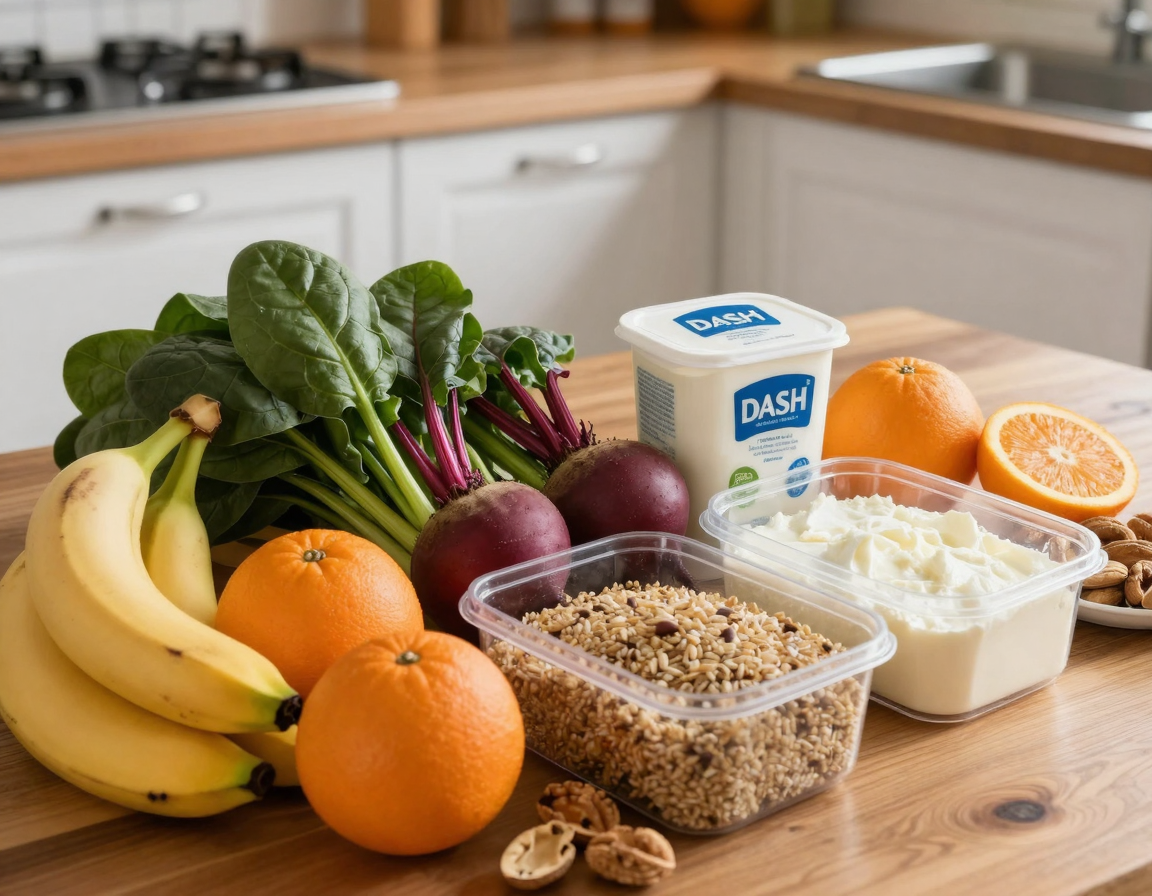
The DASH (Dietary Approaches to Stop Hypertension) eating plan emphasizes fruits, vegetables, whole grains, lean proteins, and low-fat dairy while limiting sodium and saturated fats, proven to reduce blood pressure by up to 11 mm Hg.
Focus on potassium-rich foods like bananas, spinach, and potatoes to counter sodium effects. Increase fiber from whole grains and nuts, and choose fresh over processed options. The CDC recommends a variety of these foods daily for optimal heart health.
3) Reduce Sodium Intake Effectively
Limiting sodium to 1,500-2,300 mg daily can lower blood pressure by 5-6 mm Hg, as most sodium comes from processed foods like canned soups, snacks, and deli meats.
Read labels, opt for low-sodium versions, cook at home using herbs and spices instead of salt, and avoid adding table salt. Gradual reduction helps your taste buds adjust, making it sustainable.
4) Incorporate Regular Physical Activity
Aim for at least 150 minutes of moderate aerobic exercise weekly, like brisk walking, cycling, or swimming, which can drop blood pressure by 5-8 mm Hg and aid weight control.
Include strength training twice weekly and reduce sitting time. Start slow if inactive, building to 30 minutes most days, and choose enjoyable activities for adherence. Physical activity also improves sleep and reduces stress.
5) Achieve and Maintain a Healthy Weight
Losing even 5-10% of body weight if overweight reduces blood pressure significantly, as excess weight strains the heart and contributes to sleep apnea.
Track waistline (under 40 inches for men, 35 for women generally) alongside BMI. Combine diet and exercise for sustainable loss, consulting your doctor for personalized targets.
6) Manage Stress, Limit Alcohol, Quit Smoking, and Prioritize Sleep

Chronic stress raises blood pressure; practice relaxation like deep breathing or hobbies daily. Limit alcohol to moderate levels (up to one drink daily for women, two for men) or avoid it, and quit smoking to protect vessels.
Aim for 7-9 hours of quality sleep nightly, as poor sleep links to hypertension. Avoid binge drinking and incorporate stress-avoidance strategies like earlier departures to dodge triggers.
How to Apply This in Practice
Daily Checklist for Lowering Prehypertension:
- Track blood pressure weekly and log meals/exercise in a diary.
- Eat DASH meals: Fill half your plate with fruits/veggies, choose low-sodium options under 1,500 mg/day.
- Exercise 30 minutes: Walk briskly, cycle, or dance 5 days/week.
- Weigh weekly and measure waist; aim for gradual loss.
- Practice 10 minutes stress relief: Deep breathing or meditation.
- Limit alcohol, avoid smoking, sleep 7+ hours.
- Boost potassium: Eat banana or yogurt daily.
Review progress monthly with your healthcare team, adjusting as needed for sustained results.
Risk Note
While lifestyle changes effectively manage prehypertension for many, they do not replace professional medical advice. If blood pressure exceeds 130/80 consistently, symptoms like headaches or chest pain occur, or you have conditions like diabetes, consult a doctor immediately—medication may be necessary. Individual results vary; monitor closely to prevent progression to hypertension.