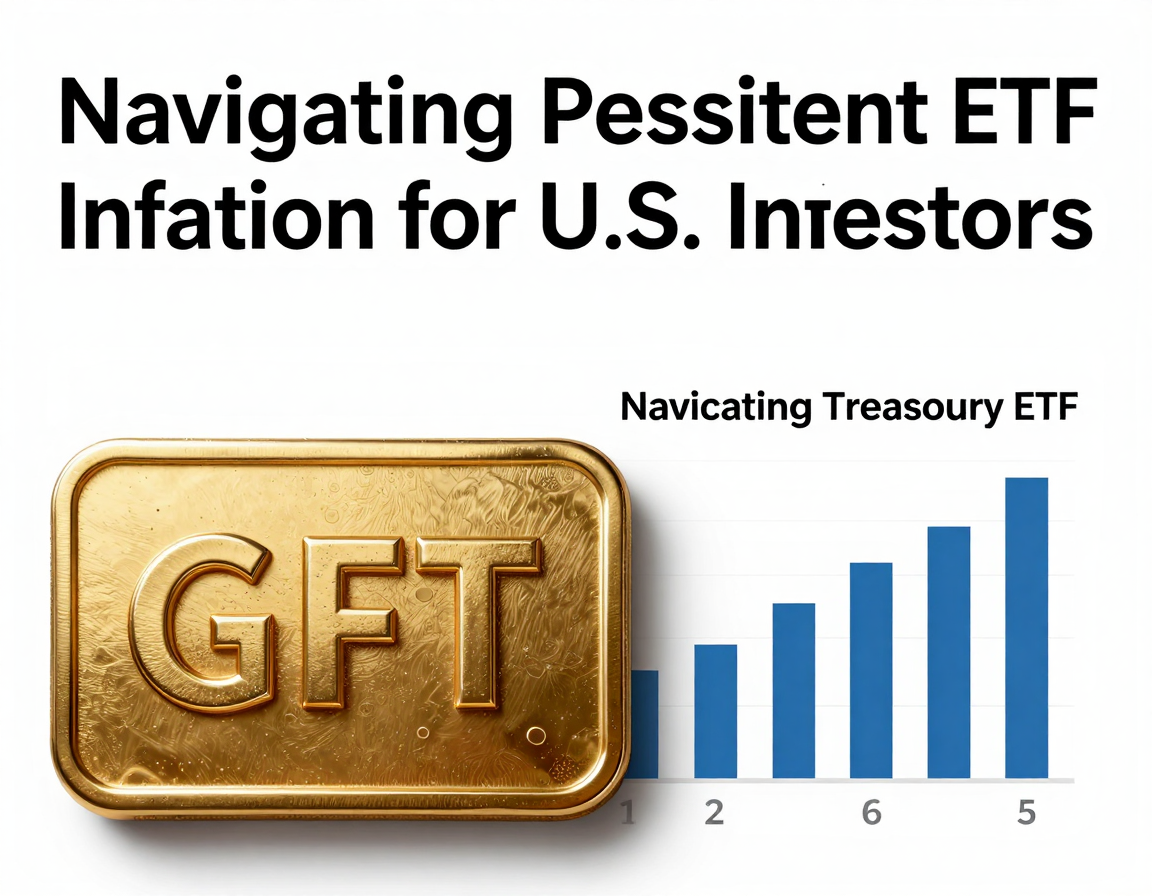
In periods of persistent or accelerating inflation, **Gold ETFs** like GLD typically outperform **Treasury ETFs** such as IEF or TLT, serving as a reliable hedge, while Treasuries excel when inflation decelerates.
1)
Inflation persistence phases, characterized by accelerating month-over-month rates such as from 0.2% to 1.6%, challenge traditional portfolios. Gold is historically viewed as an inflation hedge, with rising expectations driving prices higher, as noted by Barsky et al. (2021). Treasury bonds face downward pressure from anticipated Federal Reserve rate hikes, leading to lower bond prices due to higher yields.
U.S. investors increasingly scrutinize these dynamics amid recent inflationary pressures. Traditional 60/40 stock-bond portfolios suffered in 2022, with drawdowns of 16.9%, but adding gold mitigated this to 14.47%. Over 2004–2026, a 60/20/20 stocks-bonds-gold mix yielded 9.86% annualized returns versus 7.94% for 60/40.
2)
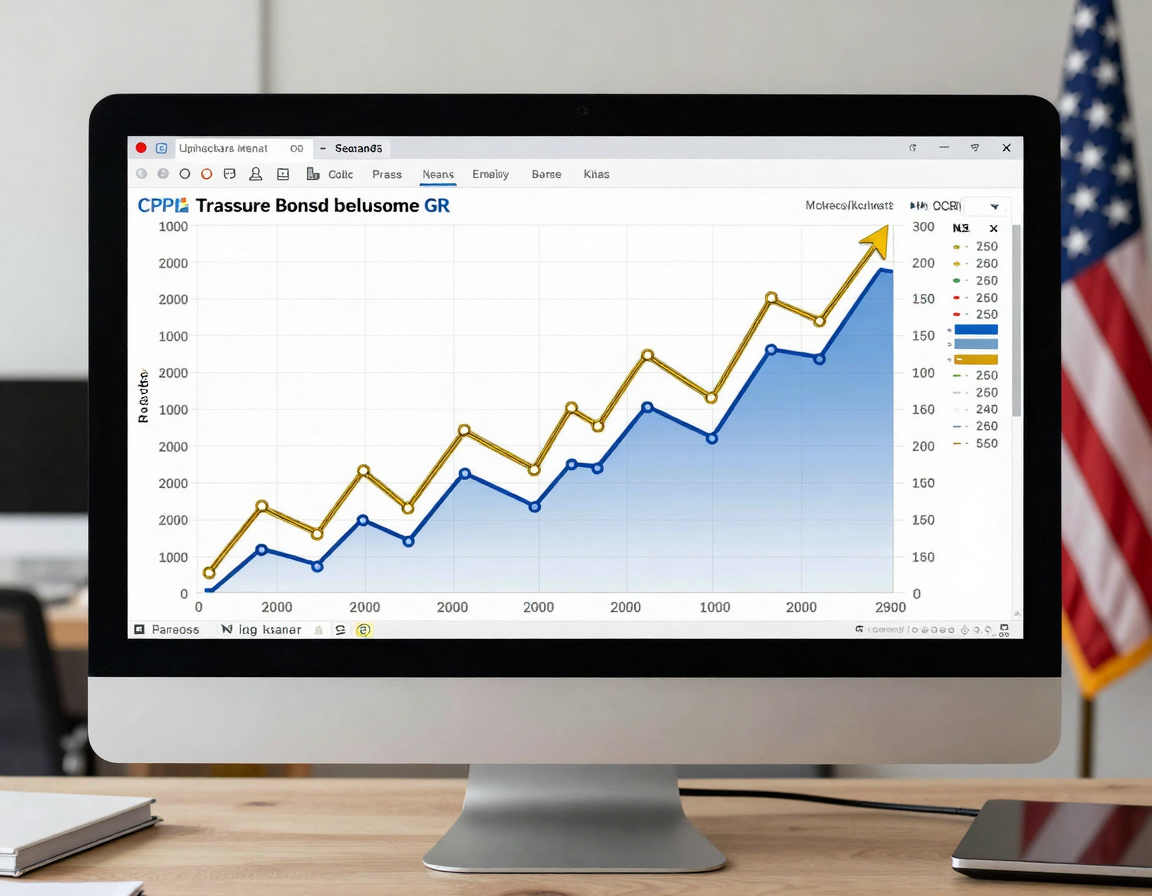
Gold ETFs, such as SPDR Gold Shares (GLD), track physical gold prices and benefit from inflation acceleration. In ‘Inflation UP’ regimes, GLD shows positive performance, particularly with upward momentum. Demand for physically backed gold ETFs surged in 2024 despite high yields, driven by geopolitical factors overriding typical inverse yield-gold correlations.
Unlike stocks, gold preserves purchasing power during high inflation, though returns are mixed; for instance, VanEck Merk Gold Trust (OUNZ) saw inflows while others like GLD experienced outflows in inflationary periods. Gold’s volatility offers protection but requires tactical timing.
3)
Treasury ETFs like iShares 7-10 Year Treasury Bond ETF (IEF) or iShares 20+ Year Treasury Bond ETF (TLT) provide stability but falter in persistent inflation. Higher inflation prompts Fed rate hikes, inversely impacting bond prices as yields rise.
In ‘Inflation DOWN’ regimes, these ETFs deliver strong positive performance. Inflation-protected options like TIPS ETFs adjust principal with CPI, outperforming regular Treasuries if inflation exceeds expectations (e.g., above 2.3%). However, in accelerating inflation, they underperform gold.
4)

Research identifies two key regimes: Inflation UP (accelerating) favors **GLD**, while Inflation DOWN (decelerating) suits **IEF**. A systematic strategy uses month-over-month CPI changes to switch: hold GLD in Inflation UP Trend UP, IEF in Inflation DOWN Trend UP, and cash-like SHY otherwise.
This momentum-filtered approach outperforms an equal-weighted IEF-GLD benchmark, boosting total returns, Sharpe ratio, and Calmar ratio beyond buy-and-hold IEF or TLT. It capitalizes on central bank responses to inflation acceleration.
5)
Historical data confirms the literature: accelerating inflation compels Fed hikes, hurting bonds but boosting gold. In 2024, gold prices rose alongside 10-year Treasury yields, breaking inverse norms due to safe-haven demand.
International inflation-protected ETFs like WIP showed 17.92% trailing 12-month returns versus 5.87% for U.S. TIPS, aided by a weaker dollar. For U.S. investors, domestic Gold vs. Treasury strategies remain core, enhanced by inflation trend analysis.
6)

Proposed model: Monitor MoM inflation trends. Accelerating (UP)? Allocate to GLD. Decelerating (DOWN with momentum)? Shift to IEF. Neutral? Hold SHY cash equivalent. This tactical allocation enhances risk-adjusted returns over static holdings.
Compared to benchmarks, it reduces drawdowns and improves efficiency, validating inflation data for market timing. U.S. investors can implement via brokerage platforms tracking major ETFs.
How to Apply This in Practice
- Track monthly CPI MoM changes via BLS.gov for U.S. inflation trends.
- Define regimes: Acceleration (e.g., 0.2% to 0.8%) = Inflation UP; deceleration = DOWN.
- Apply momentum filter: Confirm trend direction before ETF entry.
- Position sizing: Limit to 20-30% portfolio per asset; rebalance monthly.
- ETFs: Use GLD for gold, IEF/TLT for Treasuries, SHY for cash.
- Backtest via tools like Portfolio Visualizer with historical data.
- Combine with 60/40 core, allocating 20% to this strategy.
Risk Note
This strategy relies on historical patterns and does not guarantee future results. Gold’s volatility can lead to short-term losses; Treasuries face duration risk from yield spikes. Inflation data lags; Fed policy may deviate. Diversify, use stop-losses, and consult advisors. Past performance, including 2024 gold inflows or WIP outperformance, is not indicative.