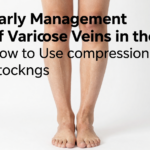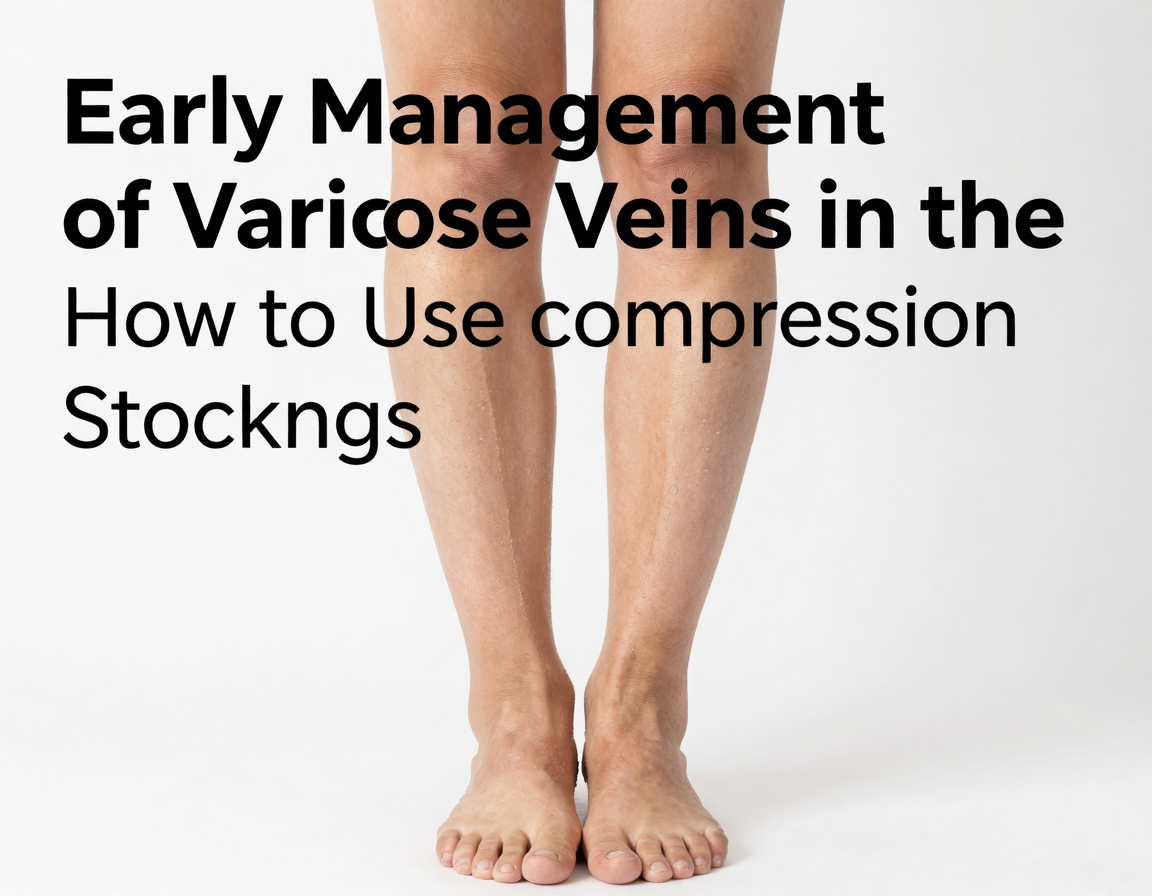
Varicose veins in the legs, known as 하지정맥류, occur when vein valves fail, causing blood to pool and veins to enlarge, leading to swelling, pain, and potential complications if untreated. Early management focuses on conservative measures like compression stockings, lifestyle adjustments, and exercises to alleviate symptoms and slow progression, as supported by medical guidelines from institutions like Seoul Asan Hospital and Seoul National University Bundang Hospital.
1)
Recognizing early signs of varicose veins is crucial for timely intervention. Common initial symptoms include leg swelling, especially after prolonged standing or sitting, visible bulging veins, heaviness, or aching in the calves, and skin discoloration in advanced cases. Risk factors heighten vulnerability: these include older age, female gender, pregnancy, obesity, and occupations requiring long periods of standing or sitting, as blood struggles against gravity without proper muscle pump action. Untreated, it can progress to pigmentation, edema, or ulcers, making prevention vital for at-risk individuals.
2)
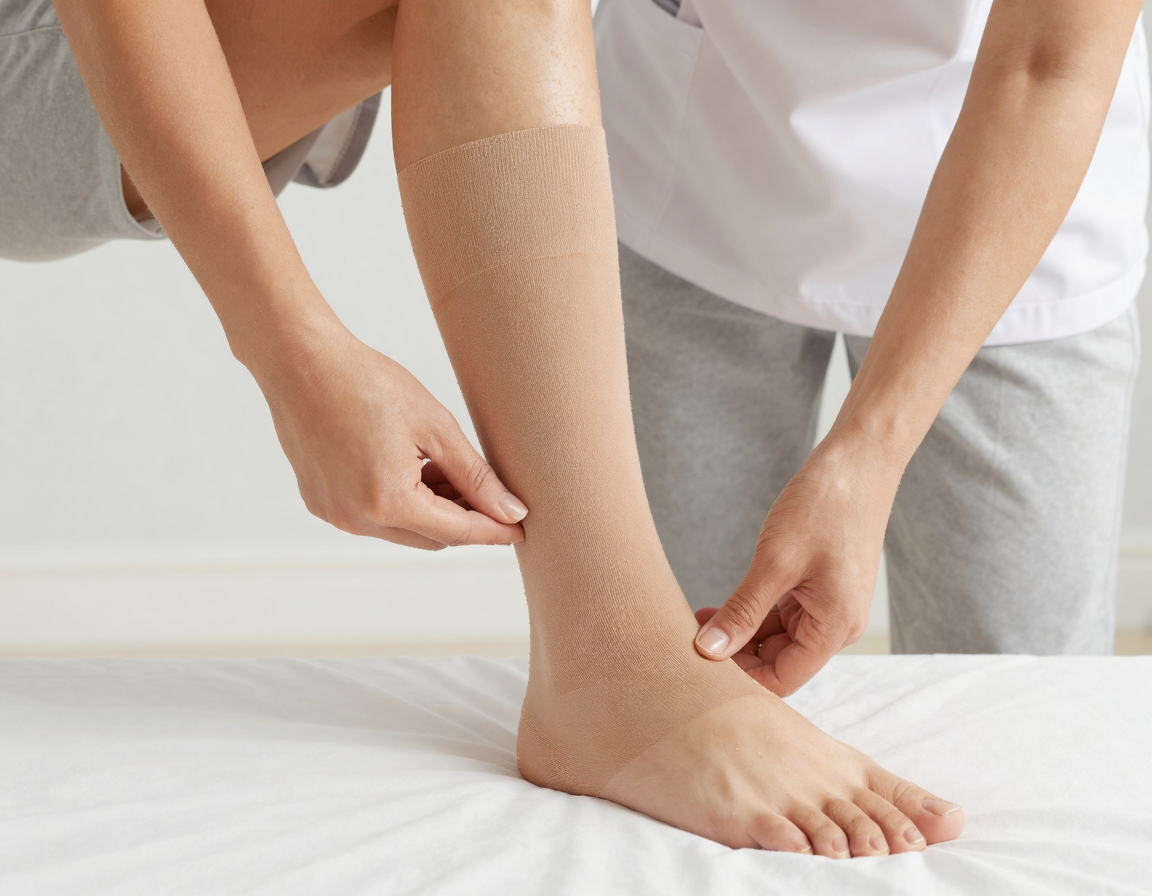
Compression stockings are a cornerstone of early varicose vein management, providing graduated pressure that is strongest at the ankle and decreases upward to promote venous return and reduce pooling. Medical-grade stockings, unlike regular ones, cover from the foot to at least the knee or thigh, preventing ankle constriction that could worsen distal swelling. They are recommended for daily wear during waking hours, particularly for those with standing jobs or early symptoms, to manage edema and halt progression, though they do not cure existing varicosities.
3)
Proper application of compression stockings maximizes benefits and comfort. Begin by bunching the stocking like a sock, insert your foot fully ensuring toes are covered, then gradually roll it up the leg using both hands while standing or lying down to smooth out wrinkles. Wear them first thing in the morning before legs swell, and remove at night; knee-high versions suffice for most calf-focused issues due to larger vessels higher up. Consult a specialist for fitting to select the right pressure class (e.g., 20-30 mmHg for mild cases) based on symptoms.
4)
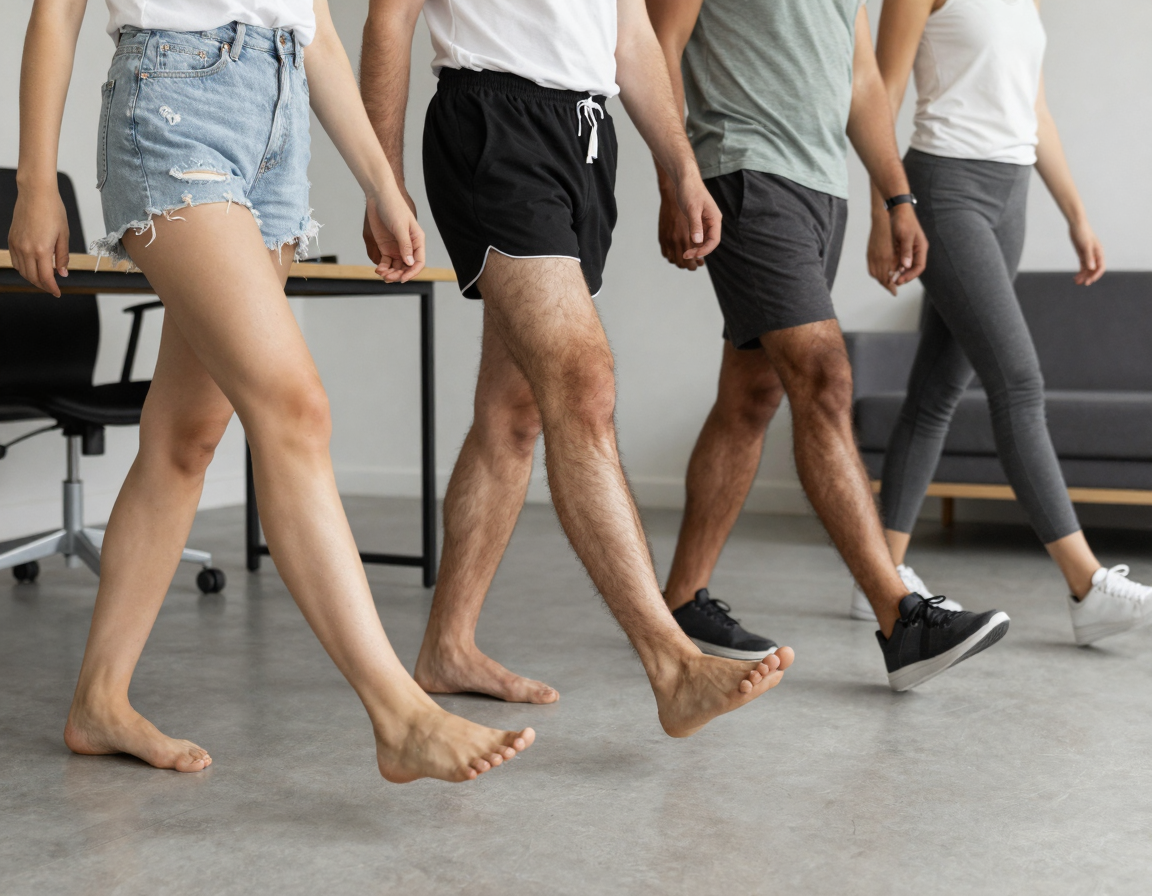
Lifestyle modifications significantly aid early control. Avoid prolonged standing or sitting by taking breaks every hour for ankle pumps or short walks, which activate the calf muscle pump to propel blood upward. Refrain from crossing legs, wearing tight clothing around the legs or waist, and hot environments like saunas that dilate veins; elevate legs above heart level when resting to drain fluid. Weight management reduces venous pressure, especially important for obesity-related risks.
5)
Targeted exercises strengthen the calf muscles essential for venous return. Walking, hiking, swimming, cycling, or simple ankle flexions (pumping feet up and down 20-30 times hourly) are highly effective, with patients often reporting lighter legs post-activity. These lower-body movements counteract sedentary habits that impair blood flow, making them ideal for prevention and symptom relief without high impact. Consistency is key: aim for 30 minutes daily.
6)

Debunking myths ensures effective management. Foot baths or half-body baths do not correct faulty vein valves and offer no proven benefit for varicose veins, despite circulation claims. While conservative approaches like stockings and habits suffice for mild cases, monitor for progression; if symptoms persist or worsen (e.g., severe pain, ulcers), seek interventional treatments like sclerotherapy, laser, or radiofrequency ablation after professional evaluation. Regular check-ups guide when to escalate.
How to Apply This in Practice
Daily Checklist for Early Varicose Vein Management:
– Put on properly fitted compression stockings upon waking, before legs swell.
– Take 5-minute walk or ankle pump breaks every hour if sitting/standing long.
– Elevate legs above heart level for 15-20 minutes, 2-3 times daily.
– Engage in 30 minutes of calf-focused exercise like walking or cycling.
– Avoid tight clothes, leg crossing, and hot baths/saunas.
– Maintain healthy weight and fiber-rich diet to prevent constipation straining veins.
– Schedule vein specialist visit if swelling or pain increases despite measures.
Risk Note
Compression stockings are contraindicated in severe arterial disease, skin infections, or uncontrolled heart failure; always get medical clearance before use. Self-treatment without diagnosis risks missing underlying issues like deep vein thrombosis. This guidance is informational—consult a vascular specialist for personalized advice, as progression to ulcers or clots requires prompt intervention.