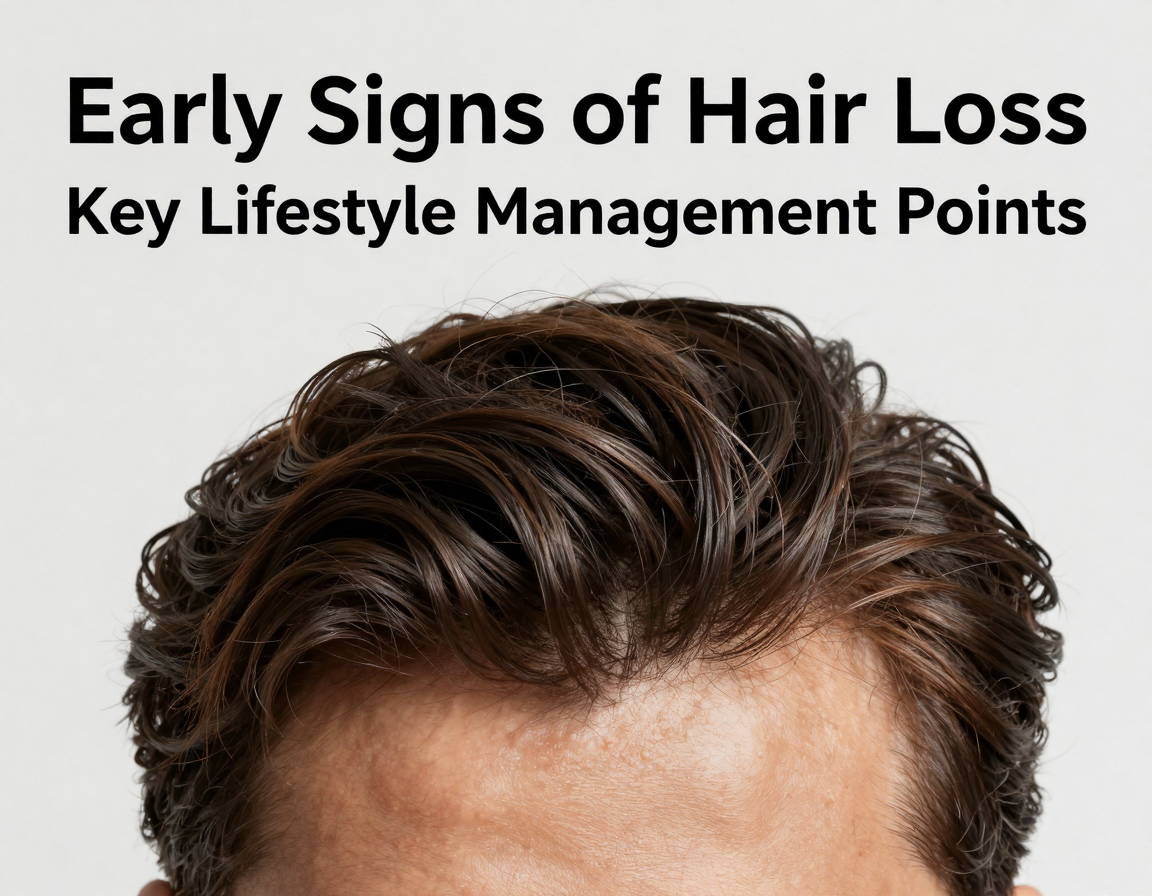
Hair loss affects millions, often starting with subtle **early signs** that can be managed through lifestyle adjustments and timely medical advice. Recognizing these signals early allows for interventions that may slow progression, based on insights from dermatology experts and health organizations.
1) Understanding Early Hair Loss Signals
**Early signs of hair loss** include gradual thinning on the head, a slowly growing bald spot, or a receding hairline that becomes more visible over time. These indicators differ from normal daily shedding of 50-100 hairs and warrant attention when excessive. Sudden or rapid hair loss, such as finding significantly more hair on pillows or drains, signals potential issues like telogen effluvium triggered by stress, illness, or surgery. Patchy bald spots or alopecia areata present as small round or oval patches, sometimes with itching or burning.
Women often notice a widening part line or reduced volume, while men see temple recession and crown thinning, characteristic of androgenetic alopecia. Accompanying scalp changes like redness, itching, or scaling further indicate underlying conditions.
2) Sudden or Rapid Shedding
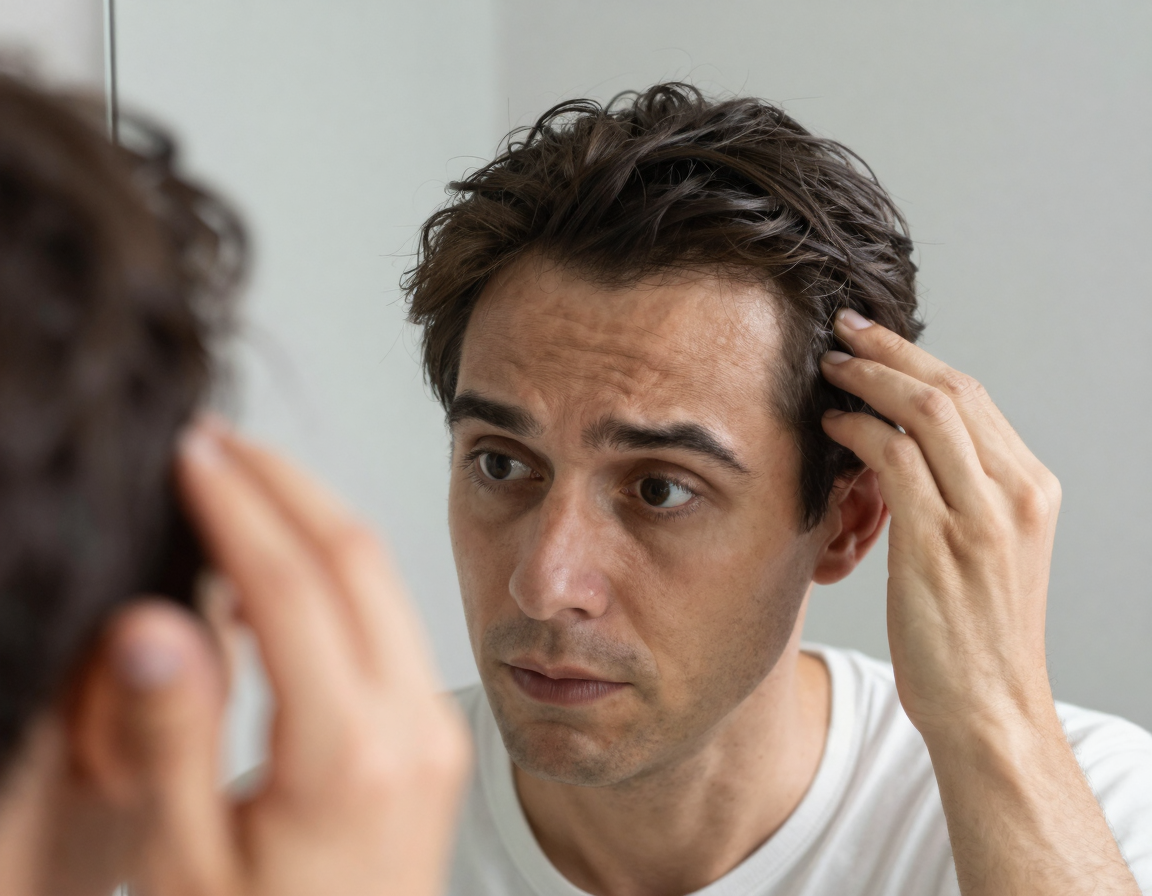
A noticeable increase in shedding over a short period differs from gradual genetic thinning and may point to telogen effluvium. This occurs when stressors push follicles into a resting phase, leading to diffuse loss 3 months after events like illness, surgery, or medication changes. Daily hair fall exceeding normal levels, visible in showers or brushes, is a key alert. Early evaluation by a dermatologist enables quick intervention for better outcomes.
3) Pattern Thinning and Receding Lines
Gradual retreat of the hairline or crown thinning indicates androgenetic alopecia, genetically driven but responsive to early treatments. In men, temples recede first, followed by crown loss; women experience diffuse top thinning with a wider part, sparing the frontal line. These patterns progress slowly but can be slowed with professional therapies. Monitoring volume reduction helps catch this early.
4) Scalp Symptoms and Changes

Hair loss with scalp redness, itching, scarring, or scaling suggests conditions like scarring alopecia or infections. Scaly patches may indicate psoriasis or ringworm, while burning before loss points to alopecia areata. Dermatologists use exams, tug tests, or biopsies to diagnose. Addressing scalp health promptly prevents permanent damage.
5) Triggers from Illness, Medications, and Deficiencies
Hair loss 2-3 months post-medication, fever, surgery, or illness often signals temporary telogen effluvium. Blood tests check for thyroid issues, iron deficiency (low ferritin), or vitamin shortfalls like B vitamins, D, or zinc, common in women. Anemia, vegan diets, or hormonal imbalances contribute. Tug tests and microscopic exams aid diagnosis.
6) Patchy Loss and Other Red Flags

Well-defined bald patches indicate alopecia areata, possibly with exclamation point hairs or white hairs in spots. Full-body loss or oozing sores suggest broader issues like chemotherapy effects or folliculitis. Intense itching, tenderness, or one-sided loss are alerts. Comprehensive history and exams pinpoint causes.
How to Apply This in Practice
Manage **early signs of hair loss** through evidence-informed lifestyle points. Maintain a nutrient-rich diet with iron, zinc, biotin, and protein to support follicle health, especially if deficient. Reduce stress via exercise, sleep (7-9 hours), and mindfulness, as extreme stress triggers shedding. Gently care for scalp: use mild shampoos, avoid tight hairstyles, and massage daily to boost circulation without irritation.
Limit heat styling and harsh chemicals; air-dry when possible. Track shedding by counting daily loss or photographing your part line monthly. Stay hydrated and avoid crash diets or rapid weight loss, which provoke telogen effluvium. Supplements like iron require blood test confirmation before use. Regular trims prevent breakage, and protective styles shield fragile hair.
Combine with medical check-ups: blood panels for deficiencies and thyroid, plus dermatologist visits for persistent signs. Prescription options like minoxidil may help pattern loss if advised. Consistency yields results over 3-6 months.
Risk Note
Self-diagnosis risks missing serious conditions like thyroid disease, autoimmune disorders, or scarring alopecia. Untreated deficiencies or infections can worsen loss permanently. Consult a dermatologist for exams, tests, or biopsies if shedding persists beyond 3 months or includes scalp symptoms. This guide offers general guidance; professional evaluation is essential.