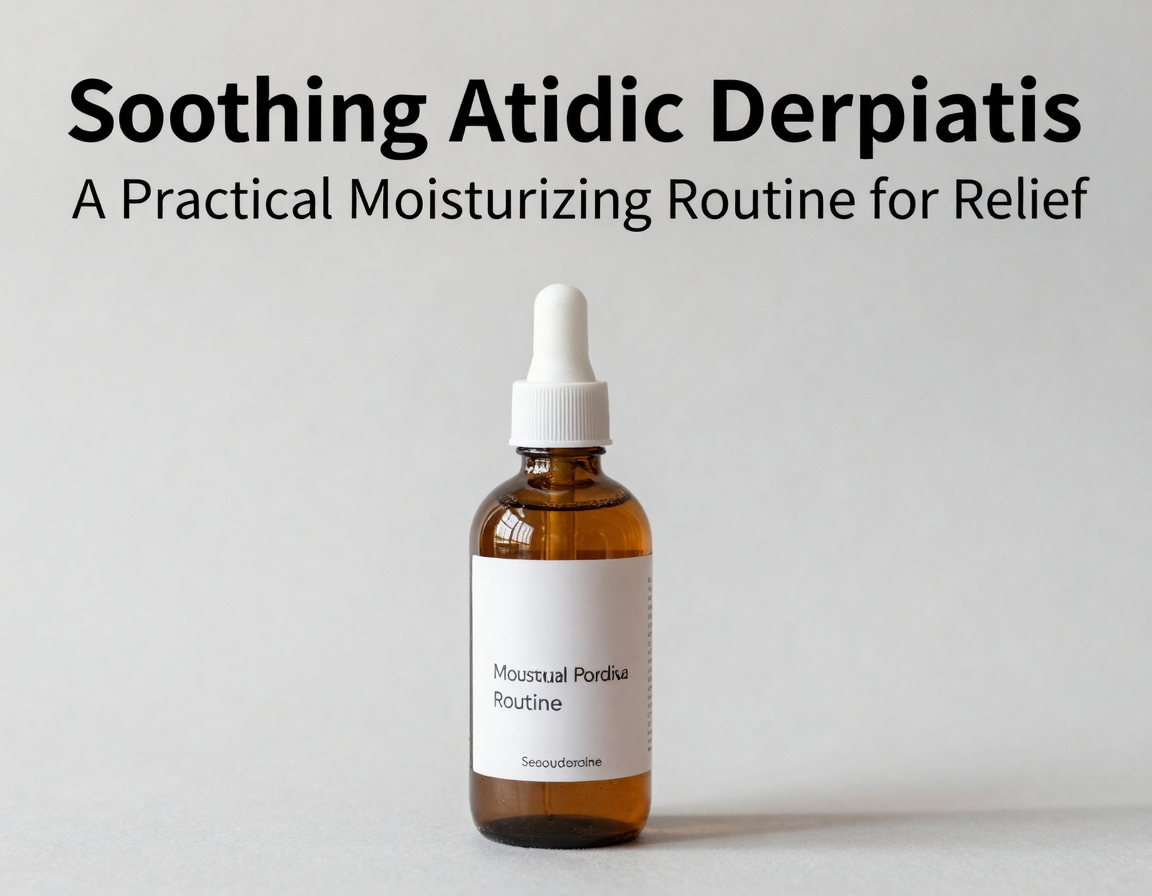
Atopic dermatitis, commonly known as eczema, is a chronic skin condition characterized by dry, itchy, and inflamed skin. A consistent moisturizing routine forms the cornerstone of management, improving skin barrier function, reducing pruritus, and enhancing quality of life, as supported by clinical studies and guidelines.
1) Understanding the Role of Moisturizing in Atopic Dermatitis
Moisturizers, or emollients, are the mainstay treatment for atopic dermatitis. They hydrate the skin, repair the barrier, and prevent flares by restoring lipids and natural moisturizing factors depleted in eczema. Research shows that emollient ‘plus’ regimens, combined with syndet cleansers, significantly improve symptoms like itching even in moderate to severe cases on systemic therapy. Guidelines from the American Academy of Dermatology (AAD) and American Academy of Pediatrics (AAP) strongly recommend daily emollient use alongside other therapies.
2) Choosing the Right Moisturizers and Cleansers
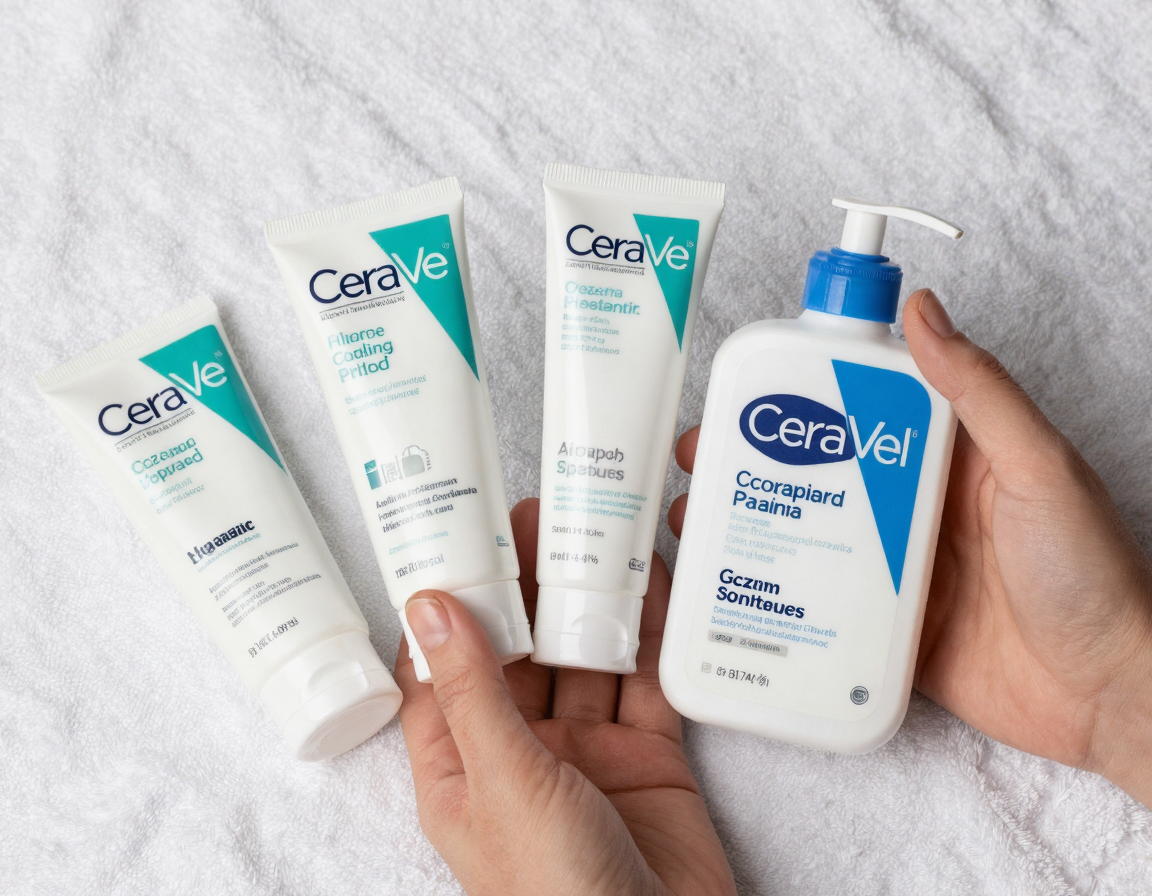
Select fragrance-free, hypoallergenic products labeled for sensitive or eczema-prone skin. Creams and ointments with ceramides, glycerin, or hyaluronic acid outperform lotions for barrier repair. Examples include CeraVe, Cetaphil, Eucerin, Aveeno, Aquaphor, and Vaseline. For cleansers, use syndets or non-soap options with neutral to acidic pH to avoid stripping skin lipids. Emollient ‘plus’ products that support the microbiome offer added benefits for symptom relief.
3) Timing Your Applications for Maximum Effect
Apply moisturizers at least twice daily, ideally within three minutes after bathing to lock in hydration. Additional applications throughout the day, especially to dry areas, enhance efficacy. In one study, patients using an optimized regimen required 23% less product over 10 weeks while achieving better pruritus control. Consistency is key, regardless of bathing frequency.
4) Step-by-Step Cleansing and Moisturizing Routine

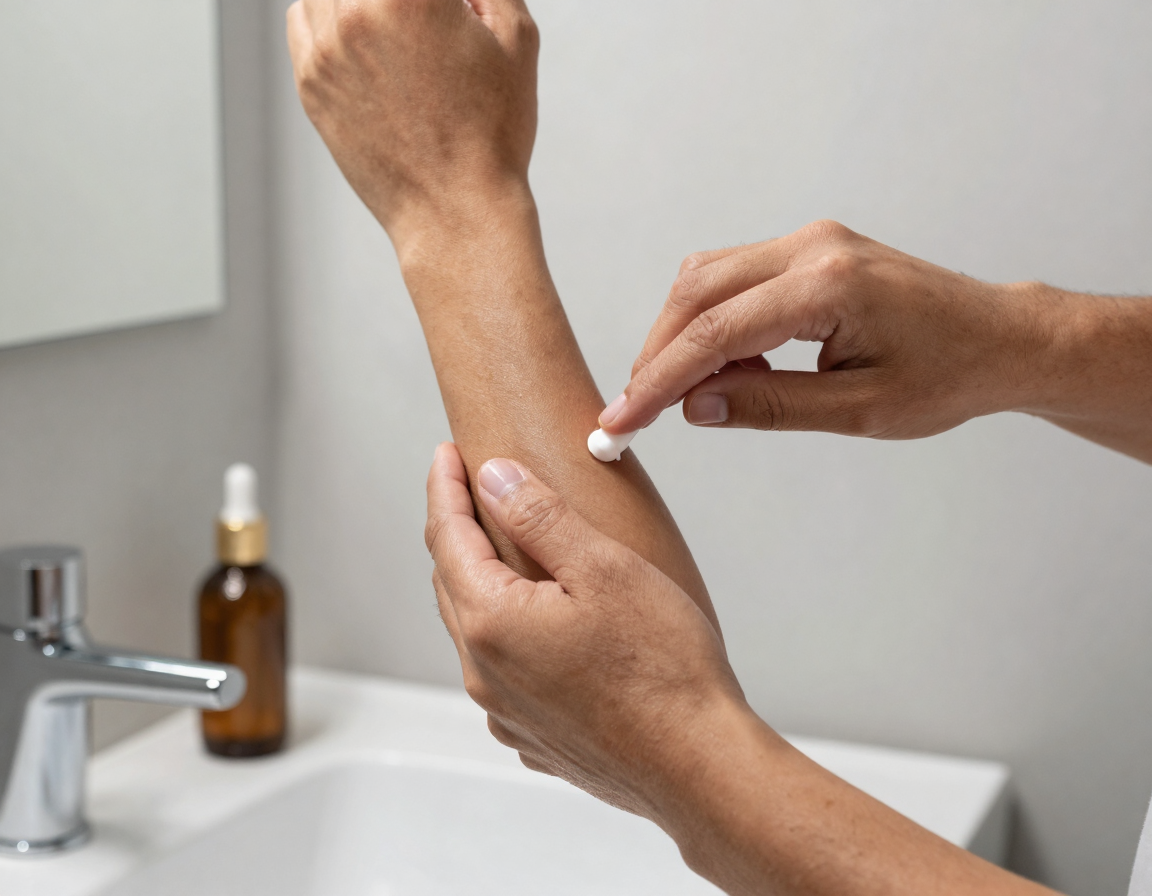
Begin with short, lukewarm showers or baths once or twice daily using a gentle syndet cleanser. Pat skin dry gently without rubbing. Immediately apply a thick layer of moisturizer using patting motions. For bedtime, opt for ointments like Aquaphor for overnight occlusion. Reapply as needed during the day, focusing on elbows, knees, and hands.
5) Integrating with Other Treatments and Lifestyle Tips
Moisturizing complements topical corticosteroids, calcineurin inhibitors, and novel therapies like tapinarof or lebrikizumab. It has a steroid-sparing effect, reducing flare frequency. Avoid hot water, harsh soaps, and irritants like dyes or fragrances. Wear breathable fabrics and maintain comfortable indoor humidity to support the routine.
6) Monitoring Progress and Adjusting Your Routine
Track improvements in dryness, itching, and SCORAD scores. If no relief after two weeks, consult a dermatologist for prescription barrier creams like EpiCeram or adjustments. Studies confirm sustained use leads to better quality of life and fewer flares. Tailor based on seasons: lighter creams in humid weather, thicker ointments in dry conditions.
How to Apply This in Practice
Daily Checklist:
– Morning: Gentle cleanse with syndet, pat dry, apply cream to body.
– After school/work: Reapply to hands and exposed areas.
– Evening bath: Lukewarm water (5-10 minutes), syndet, pat dry, thick ointment layer.
– Bedtime: Extra ointment on flare-prone spots.
– Throughout day: Spot-treat dryness immediately.
– Weekly: Review product tolerance; stock up on favorites.
This routine, applied liberally, hydrates effectively while minimizing product use over time.
Risk Note
While moisturizing is safe for most, patch-test new products to avoid rare allergic reactions. Ointments may feel greasy; start with small areas. This guidance supports but does not replace professional medical advice. Consult a healthcare provider for personalized treatment, especially with moderate to severe atopic dermatitis or infections.