1. The 2026 Foundry Landscape: A Tale of Two Markets
The foundry sector in 2026 presents a distinctly bifurcated investment landscape. Advanced semiconductor nodes and packaging capacities are operating at full utilization with robust pricing power, while mature node capacity remains soft due to weakness in consumer electronics. This polarization creates both opportunities and risks for investors seeking exposure to foundry-related equities and supply chain participants.
The foundry market itself is valued at USD 222.6 billion in 2025 and is projected to grow at a compound annual growth rate (CAGR) of 5.2% to reach USD 351.4 billion by 2034. However, this aggregate growth masks significant divergence in utilization rates and pricing dynamics across different technology nodes and geographic regions. Understanding these distinctions is critical for timing investment decisions and identifying which foundry-adjacent sectors offer the most attractive risk-reward profiles.
2. AI-Driven Demand and Capacity Constraints
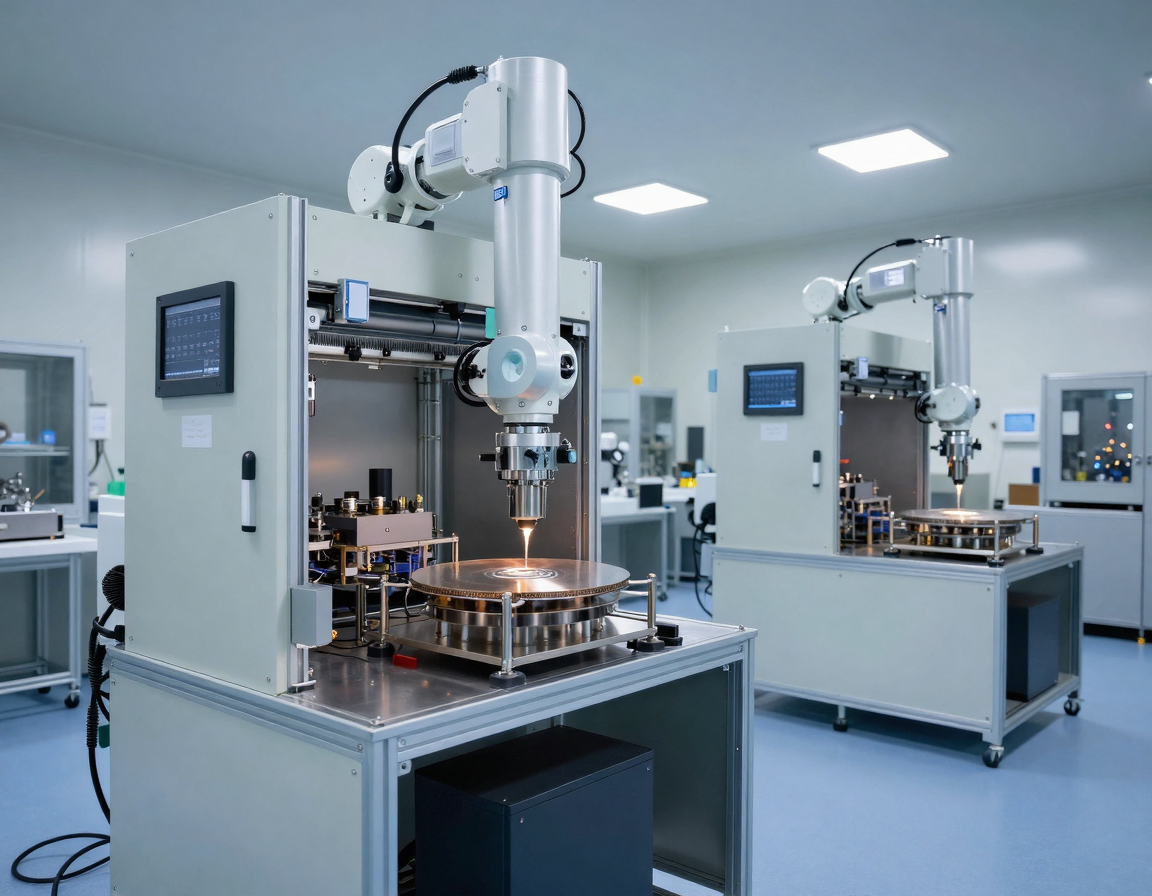
Artificial intelligence demand is the primary driver of foundry utilization in 2026. Advanced node capacity is fully loaded, with leading-edge semiconductor manufacturing experiencing near-total utilization rates. This capacity tightness is translating directly into pricing power for foundry operators, with 2026 foundry revenue set to grow significantly driven by robust AI demand. The constraint is particularly acute in 8-inch capacity, which is tightening due to strategic production cuts and rising AI power IC demand.
This capacity constraint represents a critical timing signal for investors. When foundry utilization reaches these levels, historical patterns suggest pricing power extends 12-18 months into the future, supporting margin expansion for foundry operators and their equipment suppliers. The fully loaded advanced node capacity indicates that demand is outpacing supply, a condition that typically supports elevated valuations for companies positioned in the AI semiconductor supply chain.
However, investors should note that 12-inch mature nodes remain weak due to soft consumer electronics market conditions. This divergence means that foundry operators with exposure to consumer-oriented products face margin pressure, while those focused on AI and data center applications benefit from pricing strength. This creates a clear differentiation opportunity for stock selection within the sector.
3. Automotive and Aerospace Casting: The Electrification Catalyst
Beyond semiconductors, the foundry chemical and metal casting markets are experiencing significant growth driven by electric vehicle (EV) adoption and aerospace demand. The trajectory of the foundry chemical market through 2036 is inextricably linked to the lightweighting requirements of the EV and aerospace industries. As automakers prioritize range extension, the demand for complex, thin-walled aluminum and magnesium castings has surged, necessitating advanced mold coatings and release agents that can maintain structural integrity at higher temperatures while reducing casting defects by a targeted 30%.
The foundry market covers the design and production of ferrous and non-ferrous cast components, with demand anchored in automotive and commercial vehicles (powertrain, e-axle/gear housings, chassis, structural parts), off-highway and agriculture equipment, construction and mining machinery, and aerospace applications. Automotive represents 35% of foundry product applications, with aerospace accounting for 20%. This concentration in growth sectors provides a tailwind for foundry operators and their supply chain partners.
For U.S. investors, the timing is particularly favorable. Re-shoring, infrastructure programs, and EV platform launches are underpin demand for aluminum high-pressure die casting (HPDC), structural castings, and precision iron components. Foundries are investing in large-tonnage presses, induction furnaces, and robotic finishing to offset skilled-labor gaps and meet rising demand. Mexico’s supplier parks support near-plant casting for vehicle and appliance platforms, while U.S. and Canada focus on energy and agriculture equipment, creating domestic investment opportunities.
4. Technological Integration and Industry 4.0 Adoption
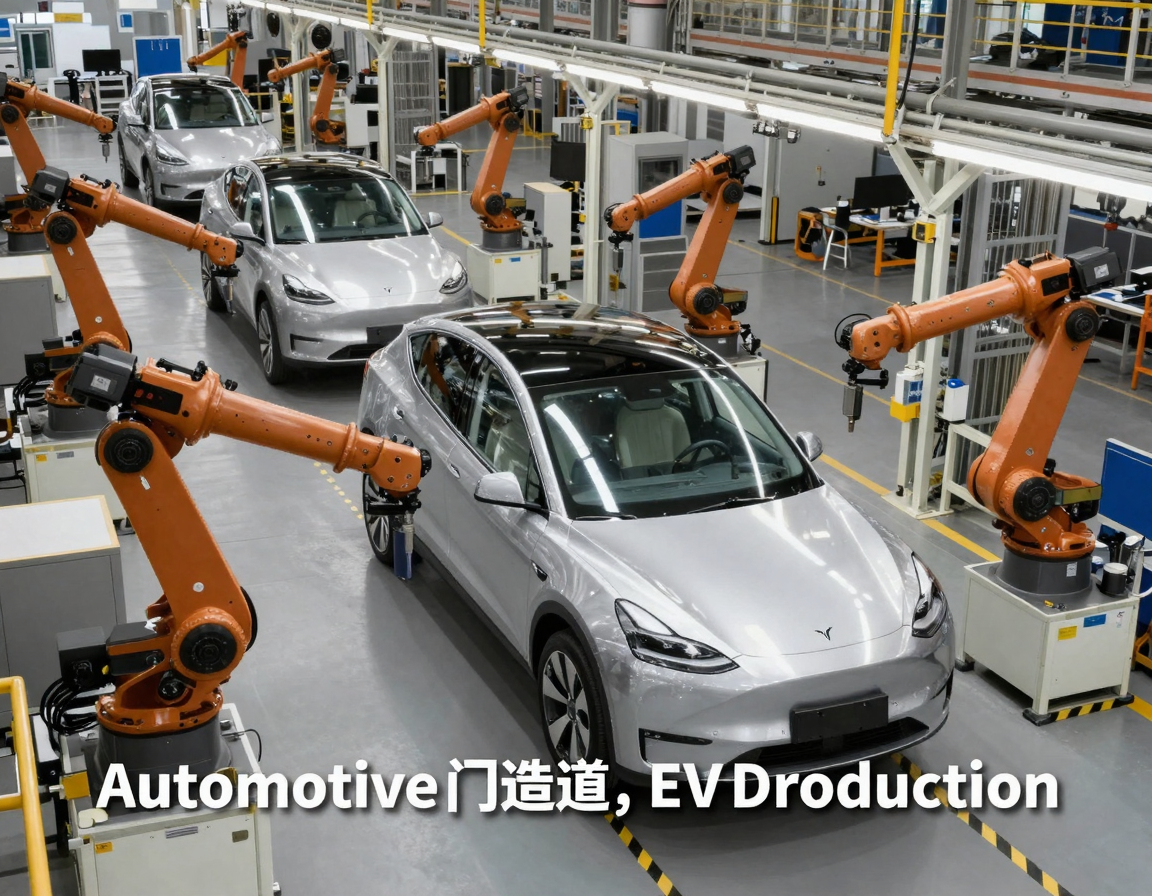
The foundry sector is undergoing rapid technological transformation through Industry 4.0 adoption and artificial intelligence integration. Shift towards automation and Industry 4.0 adoption in foundries is improving efficiency and quality across the sector. Rapid technological integration, including AI-driven process optimization, is accelerating adoption velocity and creating competitive advantages for early movers.
Key technological trends include integration of AI and machine learning for predictive maintenance, quality control, and process optimization; adoption of digital twin technology to simulate casting processes, reducing waste and cycle times; and proliferation of patent filings related to eco-friendly binders, low-temperature casting, and composite materials. These innovations are not merely incremental improvements—they represent fundamental shifts in how foundries operate and compete.
For investors, this technological transition creates opportunities in equipment suppliers, software providers, and automation specialists that serve the foundry sector. Companies providing AI-driven quality control systems, IoT sensors, robotic finishing equipment, and digital twin simulation platforms are positioned to capture significant market share as foundries accelerate their digital transformation. The competitive dynamics are likely to evolve, with new entrants and technological disruptors reshaping market structure.
5. Sustainability and Circular Economy Imperatives
By 2036, the foundry sector is expected to operate on a circular economy model, with significant implications for capital allocation and competitive positioning. Chemical manufacturers are currently investing heavily in research and development to develop recyclable thermoplastic silicones and water-based coatings that eliminate hazardous runoff. The industry is no longer just about melting metal; it’s about chemical precision, with winners of the 2026-2036 cycle being those who can provide chemical solutions that reduce energy consumption during the curing process and support the recycling of 95% of foundry sand.
Sustainability programs are prioritizing induction and electric melting, recycled metal utilization, sand reclamation, inorganic binders for low emissions, and transparency via environmental product declarations (EPDs). Growing emphasis on sustainable and eco-friendly foundry practices is prompting innovation in green casting materials. Regulatory pressures for environmental compliance are shaping product development and operational standards across the sector.
This sustainability imperative creates investment opportunities in companies developing eco-friendly foundry chemicals, electric melting equipment, and recycling technologies. It also creates risks for foundries with legacy operations that lack modern environmental controls. Investors should evaluate foundry operators and suppliers based on their sustainability roadmaps and capital allocation toward green technologies, as regulatory tightening will increasingly penalize laggards.
6. Regional Growth Dynamics and Market Expansion

Geographic analysis reveals distinct growth trajectories across major regions. North America continues to lead in innovation, driven by advanced technological adoption, strong capital availability, and a mature ecosystem of industry stakeholders. The region benefits from re-shoring trends and infrastructure investment, supporting demand for foundry products in energy, agriculture, and aerospace applications.
Europe follows with steady expansion supported by regulatory harmonization, sustainability-focused initiatives, and increasing cross-border collaborations that encourage long-term market stability. The Asia-Pacific region represents the fastest-growing opportunity, fueled by rapid industrialization, rising consumer demand, and significant government investments aimed at strengthening domestic capabilities. This regional divergence creates portfolio diversification opportunities for investors seeking exposure to foundry sector growth.
The foundry market is expected to experience steady growth through 2034, with new entrants and established players alike benefiting from cross-border partnerships, scalable business models, and advanced solutions. Market expansion is further supported by government incentives, evolving regulations, and increasing consumer adoption of EV and aerospace products. Aluminum casting is witnessing a CAGR of approximately 6% over the next five years, while additive manufacturing processes are growing at a CAGR of 12%, indicating where future growth will concentrate.
How to Apply This in Practice
Timing Signal Checklist for Foundry Sector Investment:
Capacity Utilization Monitoring: Track quarterly utilization rates for advanced semiconductor nodes (below 7nm). When utilization exceeds 95% for two consecutive quarters, this signals pricing power extension of 12-18 months. Monitor TSMC and Samsung earnings calls for specific utilization guidance.
Automotive EV Transition Tracking: Monitor major automaker EV platform launch schedules and casting component specifications. When new EV platforms enter production ramp, foundry demand for aluminum and magnesium castings typically increases 6-9 months prior to vehicle production. Track supplier announcements for casting capacity expansions as a leading indicator.
Technology Adoption Assessment: Evaluate foundry operators and equipment suppliers based on AI and Industry 4.0 implementation progress. Companies with advanced digital twin capabilities, predictive maintenance systems, and robotic automation are positioned to gain market share. Review patent filings and R&D spending as indicators of innovation velocity.
Sustainability Compliance Evaluation: Assess foundry operators’ progress toward circular economy targets and regulatory compliance. Companies with established recycling programs, electric melting capacity, and eco-friendly chemical suppliers will face lower regulatory risk and potentially lower operating costs as environmental standards tighten.
Supply Chain Positioning: Identify companies positioned in the foundry supply chain—equipment manufacturers, chemical suppliers, automation providers, and quality control software vendors. These companies often benefit from foundry sector growth with lower capital intensity and higher margins than foundry operators themselves.
Geographic Exposure Optimization: Consider portfolio allocation across North American (innovation and re-shoring), European (sustainability leadership), and Asia-Pacific (growth velocity) foundry-related investments. This geographic diversification captures different growth drivers and reduces concentration risk.
Risk Note
While foundry sector utilization trends present compelling investment opportunities, significant risks warrant careful consideration. Semiconductor demand is cyclical, and AI-driven capacity utilization could normalize if AI infrastructure investment moderates. Mature node weakness in consumer electronics could spread to other segments if economic conditions deteriorate. Raw material price volatility, particularly in ferrous and non-ferrous metals, impacts foundry profit margins unpredictably. Regulatory changes, especially environmental compliance requirements, could impose unexpected capital expenditure burdens on foundry operators. Geopolitical tensions affecting semiconductor supply chains could disrupt foundry operations and pricing dynamics. Technology disruption from additive manufacturing and alternative manufacturing processes could reduce demand for traditional foundry services. Investors should maintain diversified exposure and regularly reassess utilization trends, capacity announcements, and regulatory developments before making significant allocation decisions. Past performance and current utilization rates do not guarantee future results.