The Federal Reserve’s anticipated rate cuts in 2026, following 1.75 percentage points of reductions since September 2024, could drive a significant rotation in U.S. equity leadership away from tech-heavy growth stocks toward value, cyclicals, and small caps.[1][2]
1)
Lower interest rates historically favor rate-sensitive sectors by reducing borrowing costs and boosting economic activity. Bankrate projects three more cuts totaling 0.75 percentage points in 2026, potentially bringing the fed funds rate near pre-pandemic peaks, while Goldman Sachs forecasts two cuts to 3-3.25%.[1][2] This environment typically shifts capital from high-valuation tech to undervalued financials and industrials, as cheaper capital enhances profitability for leveraged firms.
2)

Financial stocks often lead post-rate cut rallies due to improved net interest margins and lending activity. With the Fed’s key rate at 3.50%-3.75% after January 2026’s pause, further easing could mirror past cycles where banks outperformed; for instance, during 2019 cuts, financials gained 32% versus the S&P 500’s 29%.[3][4] A more dovish Fed composition, with six dovish voters per Wells Fargo analysis, supports this rotation.[1]
3)
Real estate and REITs stand to benefit from declining mortgage rates tied to Treasury yields, which fall with Fed cuts. Goldman Sachs expects growth acceleration to 2-2.5% in 2026 from tax cuts and easier conditions, spurring property demand and development.[2] Historical data shows REITs averaging 15% annualized returns in the year following initial rate cut cycles.
4)

Small-cap stocks, tracked by the Russell 2000, thrive in low-rate regimes due to higher debt loads and growth sensitivity. Fidelity notes investor expectations for 1-2 cuts in 2026 align with December 2025 dot plot signaling one cut, potentially igniting small caps that lagged large caps in 2025 amid higher rates.[4] Underlying job growth trends at 39,000 monthly suggest stabilization without overheating.[2]
5)
Cyclical sectors like industrials and materials could reclaim leadership as GDP growth reaccelerates. J.P. Morgan highlights unemployment stabilization enabling measured easing, while tax cuts from the One Big Beautiful Bill Act inject $100 billion, fueling cyclical expansion despite inflation risks.[1][5] Fed minutes indicate caution but openness to further downward adjustments if disinflation persists.[3]
6)
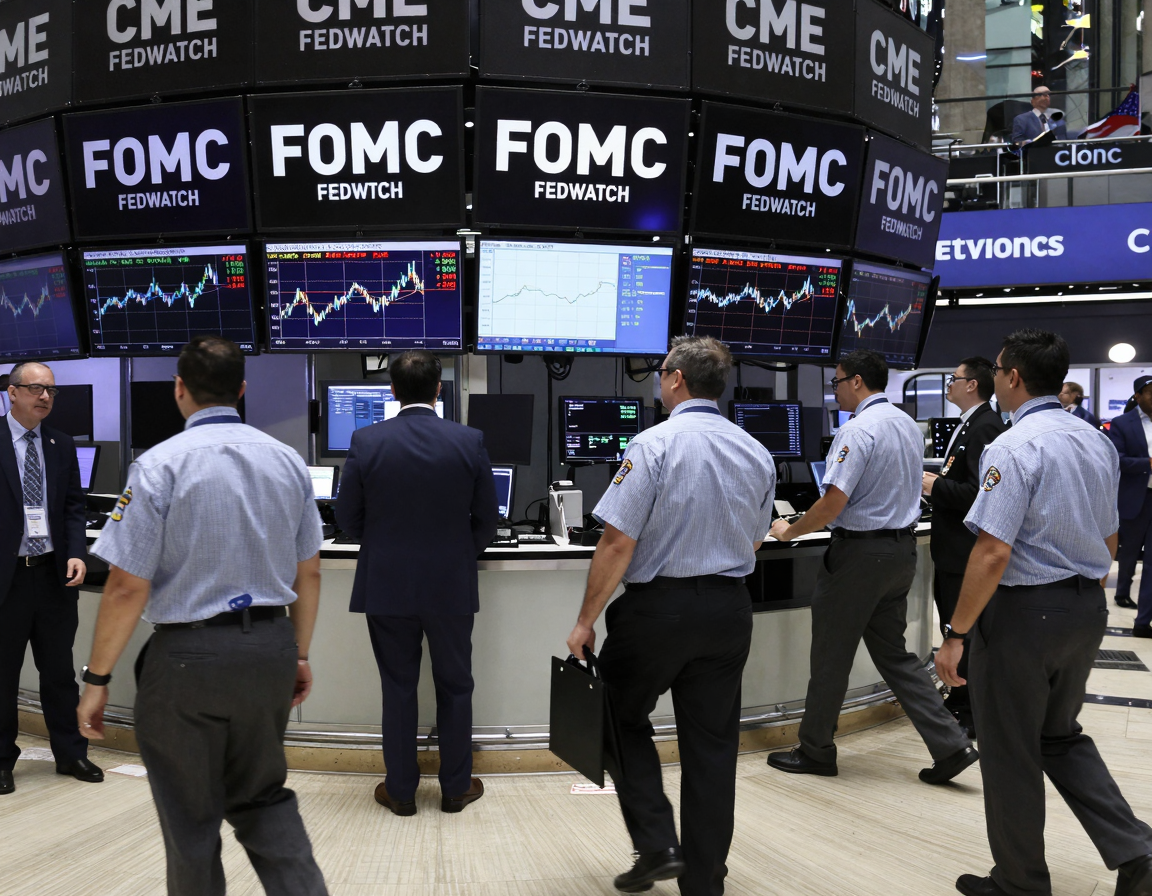
Tech and growth stocks may underperform relatively as yields drop, compressing multiples on low-yield alternatives. With core PCE inflation nearing 2%, per Goldman Sachs, stable equity markets post-cuts favor diversified portfolios tilting toward value.[2] CME FedWatch shows rising cut probabilities through mid-2026, from 5.9% in March to 49.2% in June.[3]
How to Apply This in Practice
- Assess portfolio exposure: Reduce overweight in mega-cap tech if rates fall below 3.5%; aim for 20-30% in financials and small caps.
- Monitor FOMC meetings: Watch March, June, and September 2026 for cut signals via dot plots and minutes.
- Track economic data: Focus on CPI, PCE inflation, nonfarm payrolls, and unemployment; cuts likely if inflation trends to 2% and jobs cool modestly.
- Rebalance quarterly: Use ETFs like XLF for financials, IWM for small caps, XLRE for REITs; target beta above 1.0 for cyclicals.
- Diversify geographically: Consider U.S.-centric funds as domestic growth accelerates from policy easing.
- Set stop-losses: Protect gains with 10-15% trailing stops on rotated positions.
Risk Note
Rate cut projections carry uncertainties: Fed minutes warn of potential hikes if inflation exceeds 2%, with some officials eyeing pauses or reversals amid tariff effects and fiscal stimulus.[3] A hawkish shift, resilient labor market, or inflation rebound could delay cuts, favoring growth stocks over cyclicals. Investors face volatility from month-to-month data; past performance does not guarantee future results, and consult professionals before acting.[1][2][3]